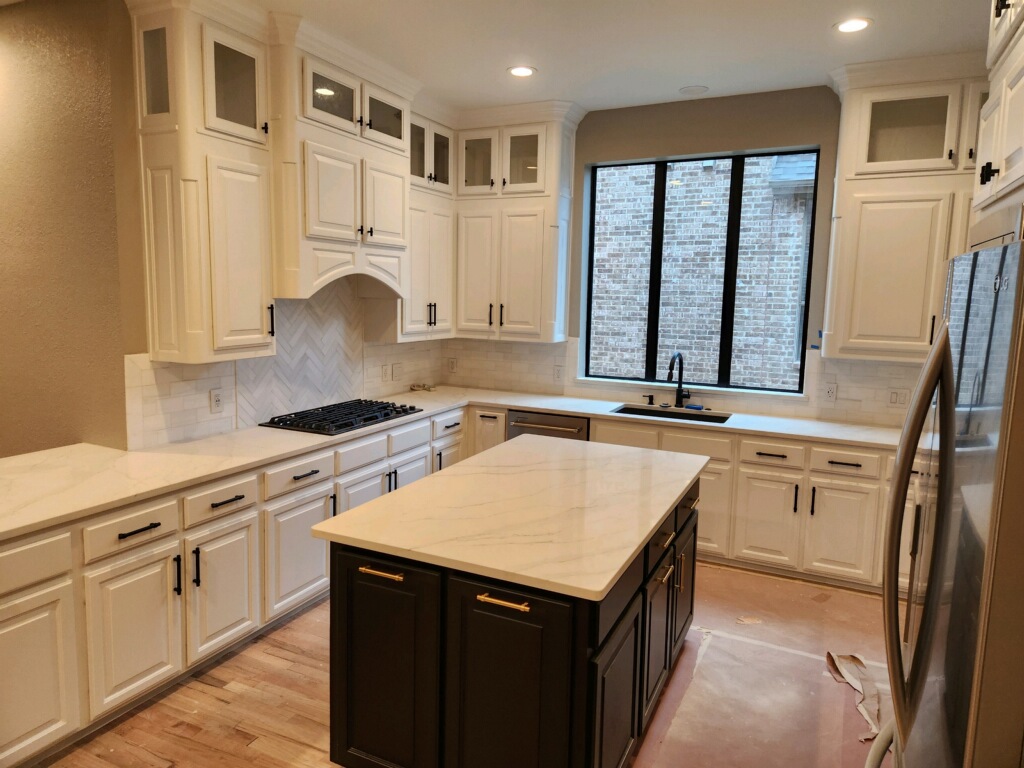
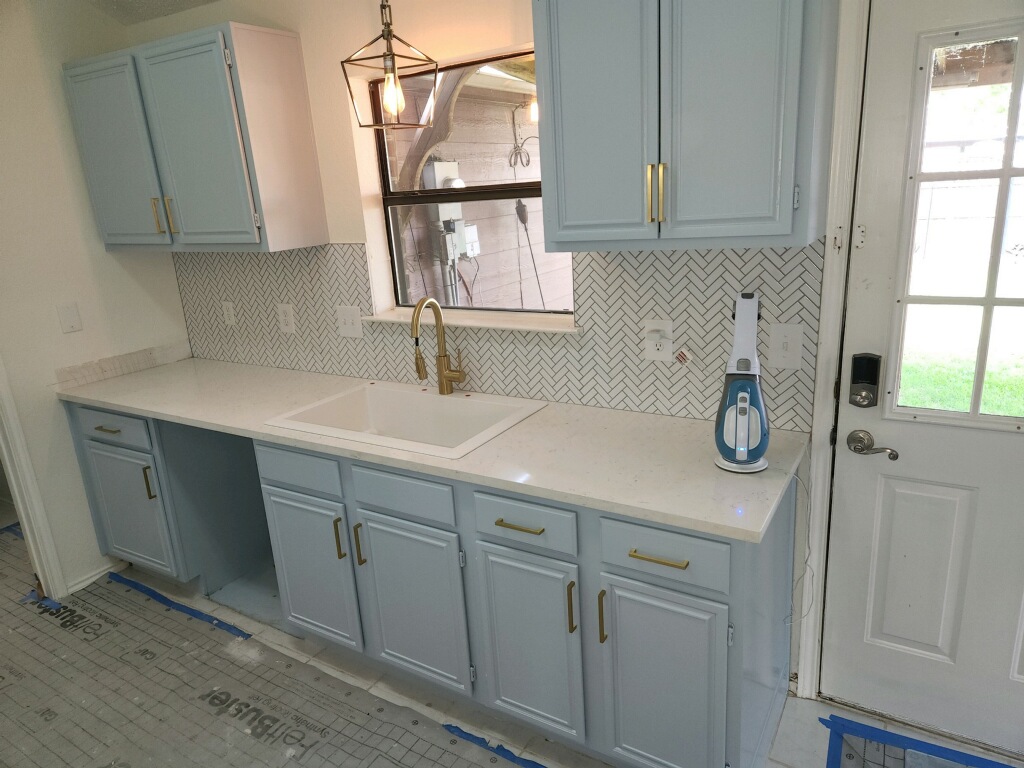
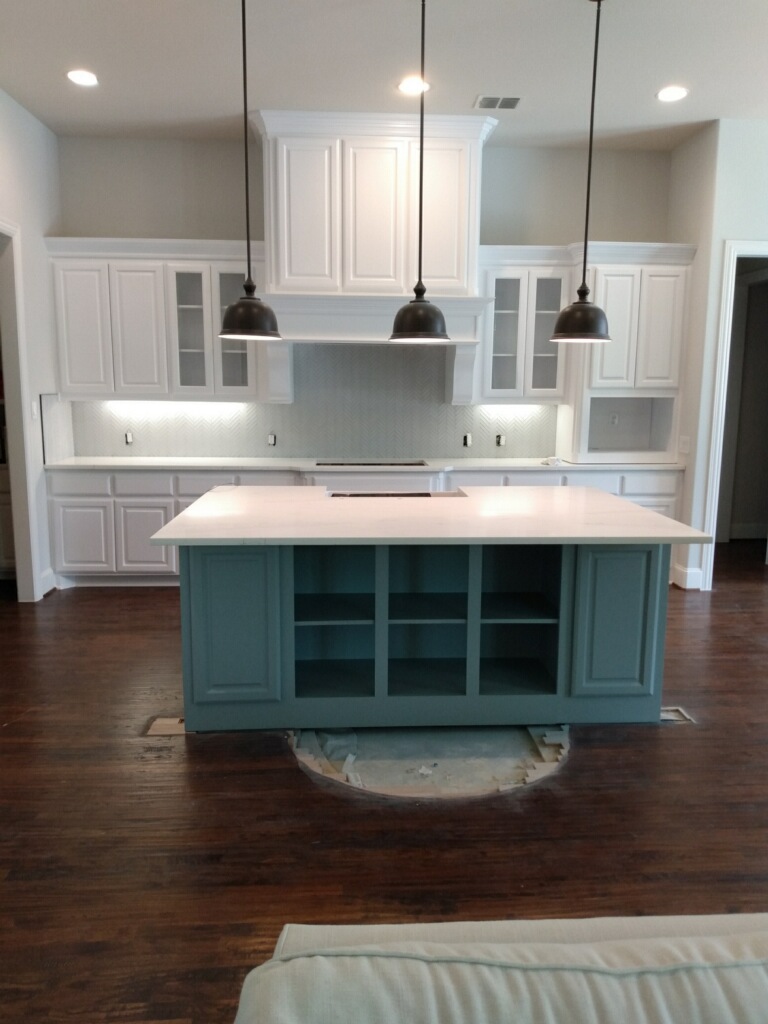
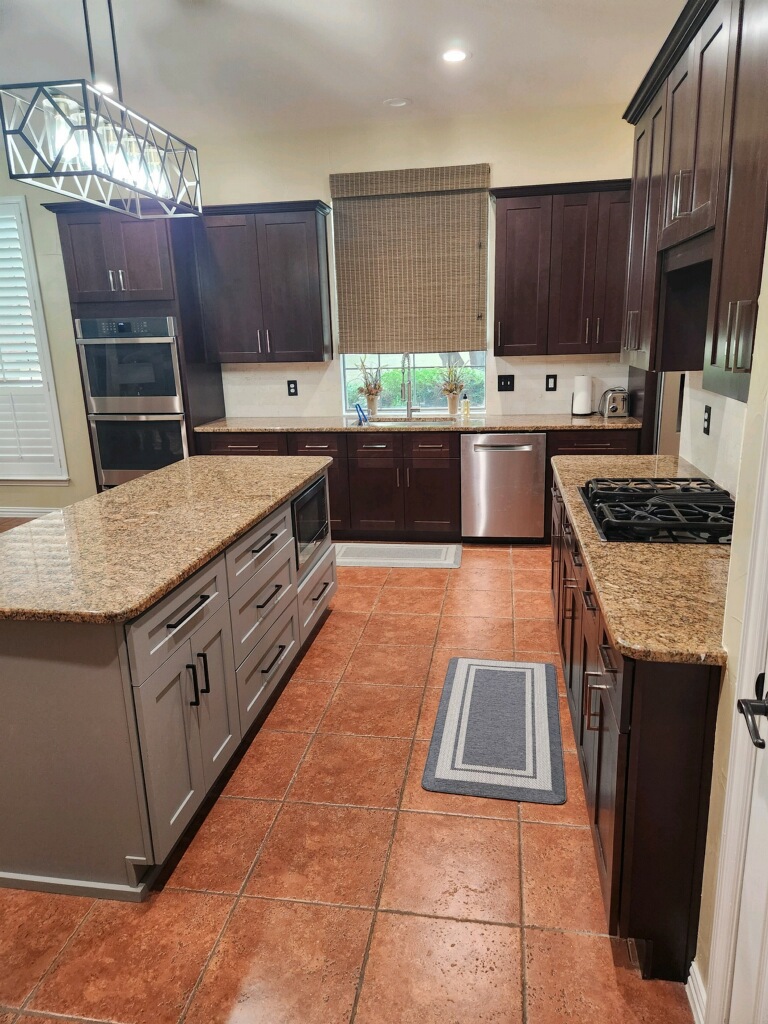
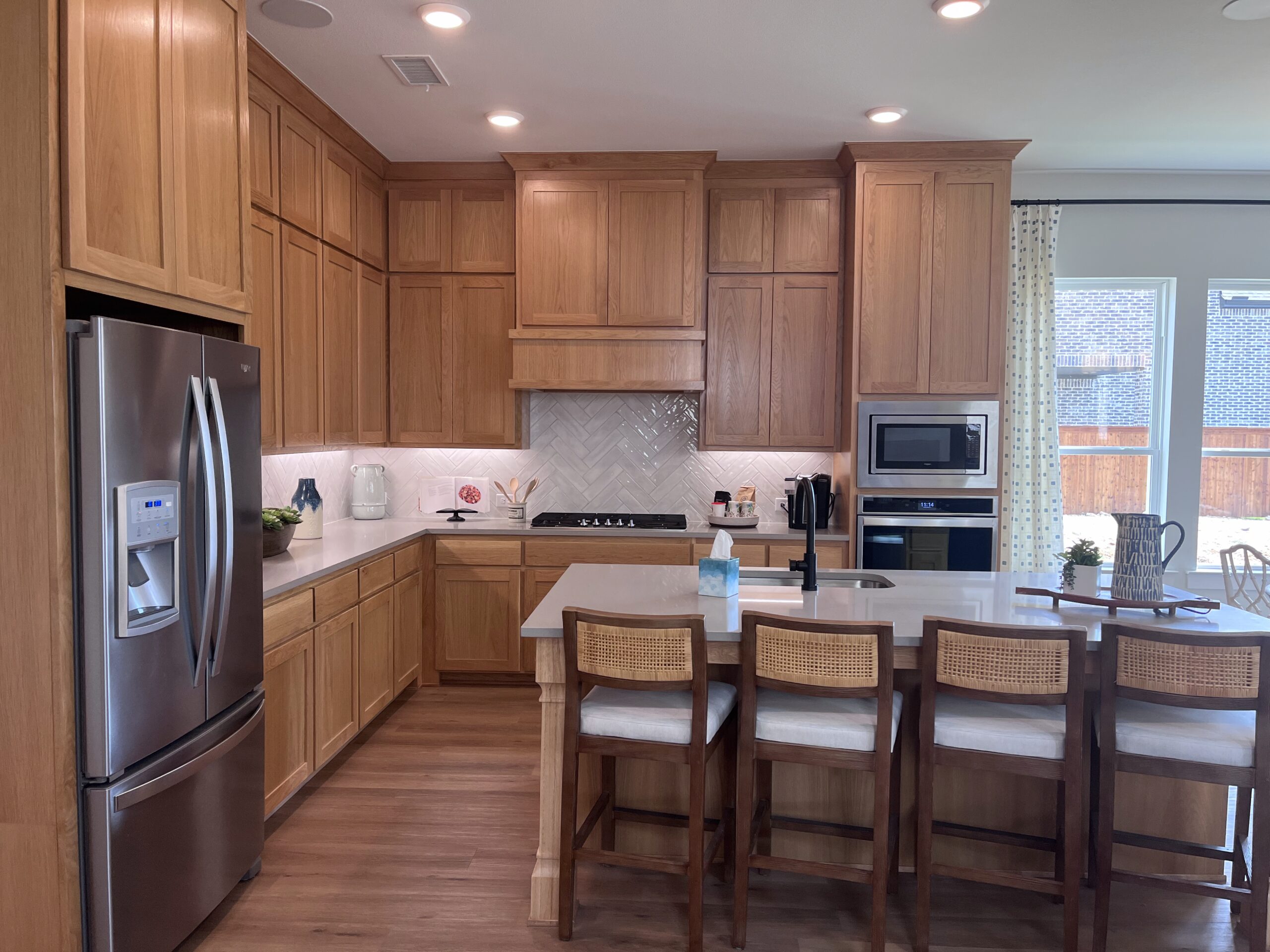
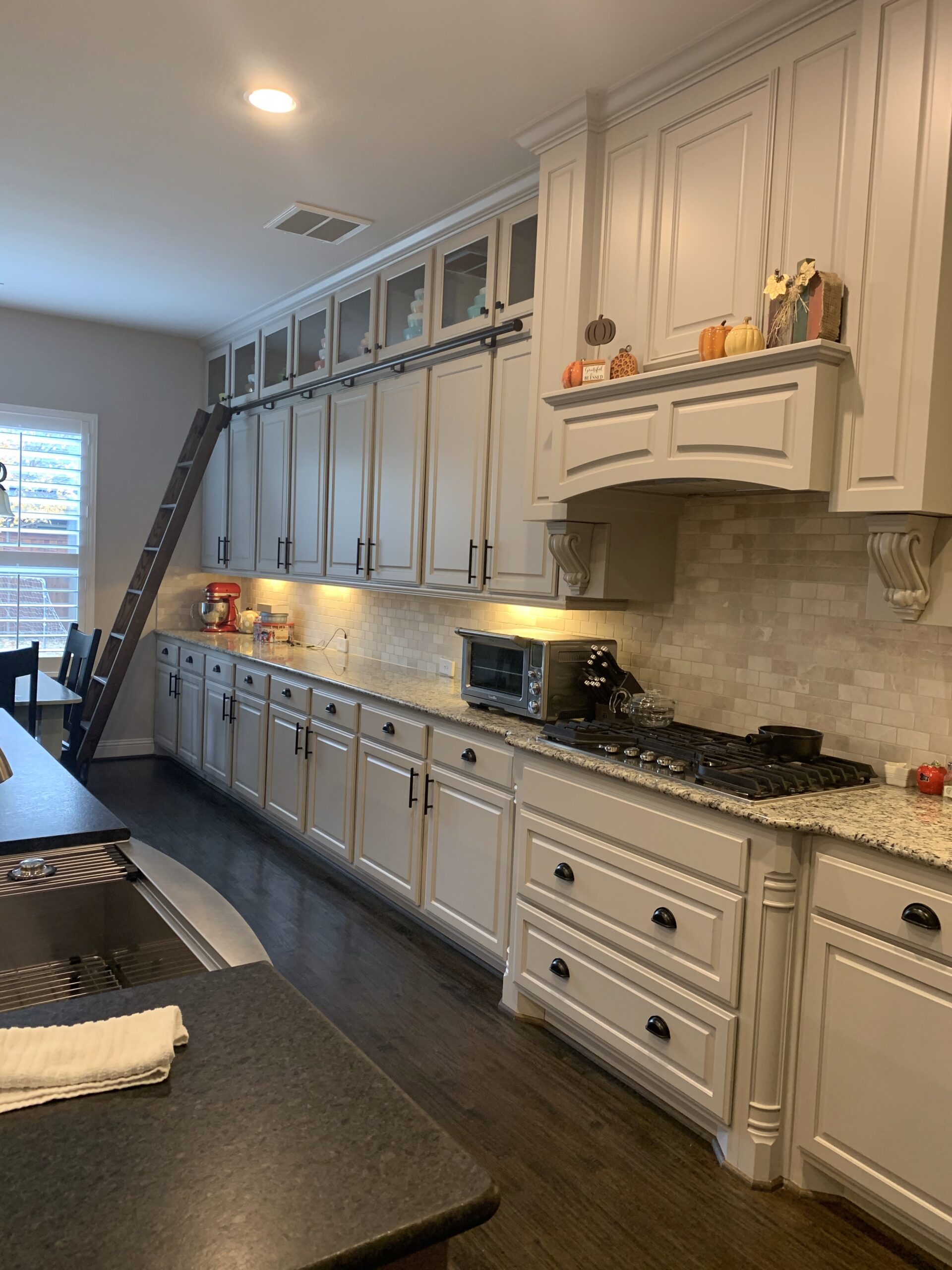
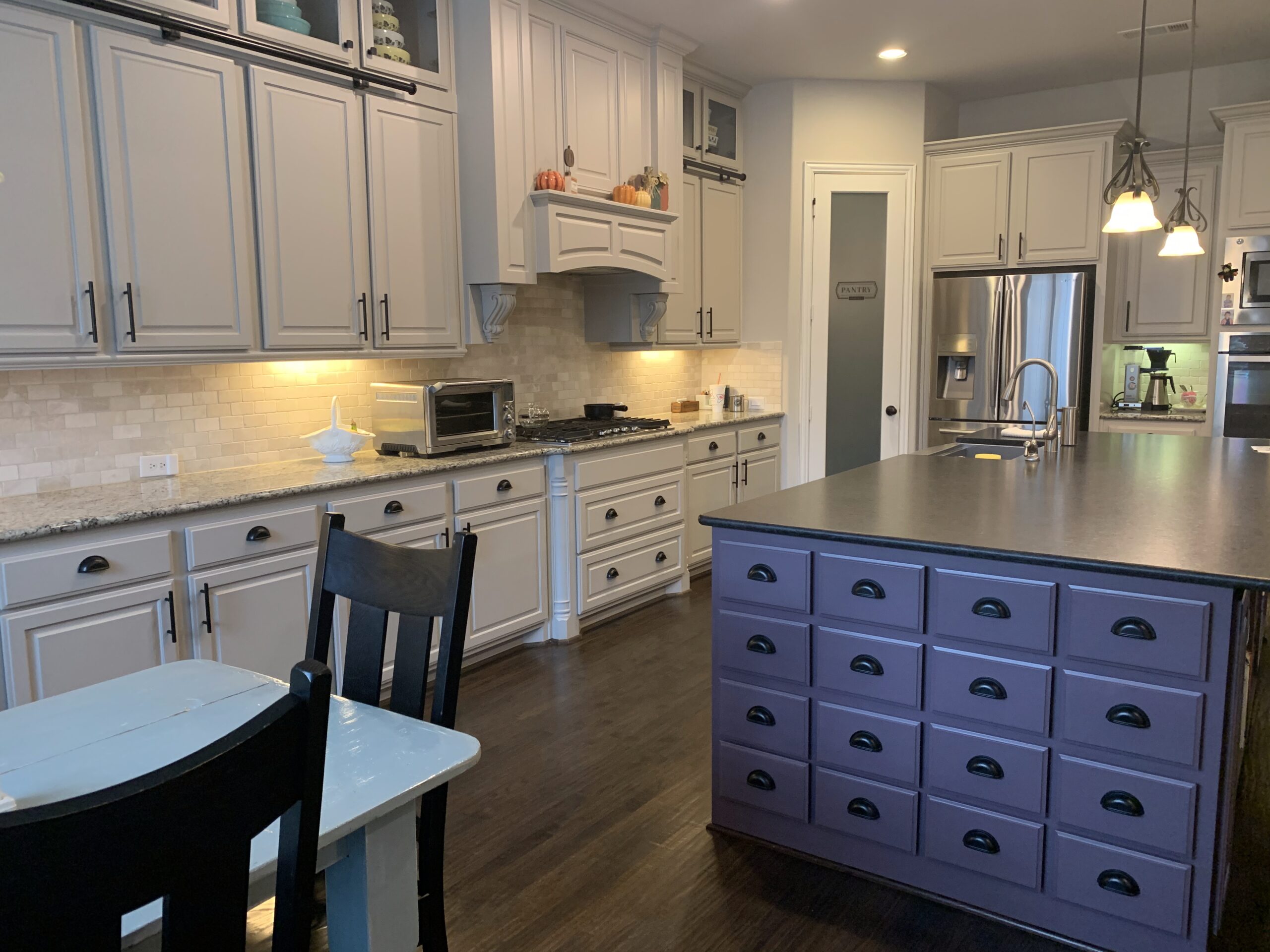
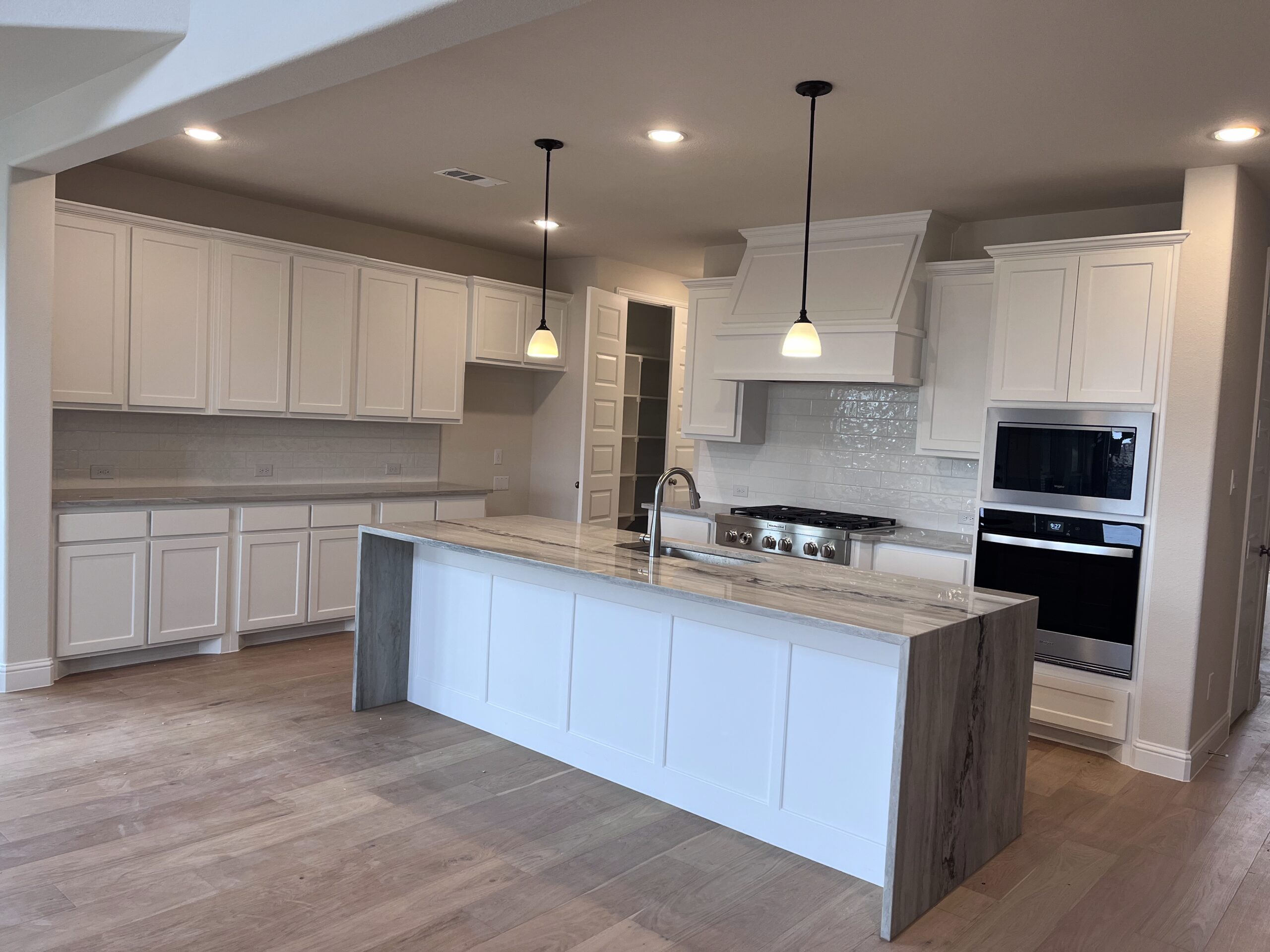
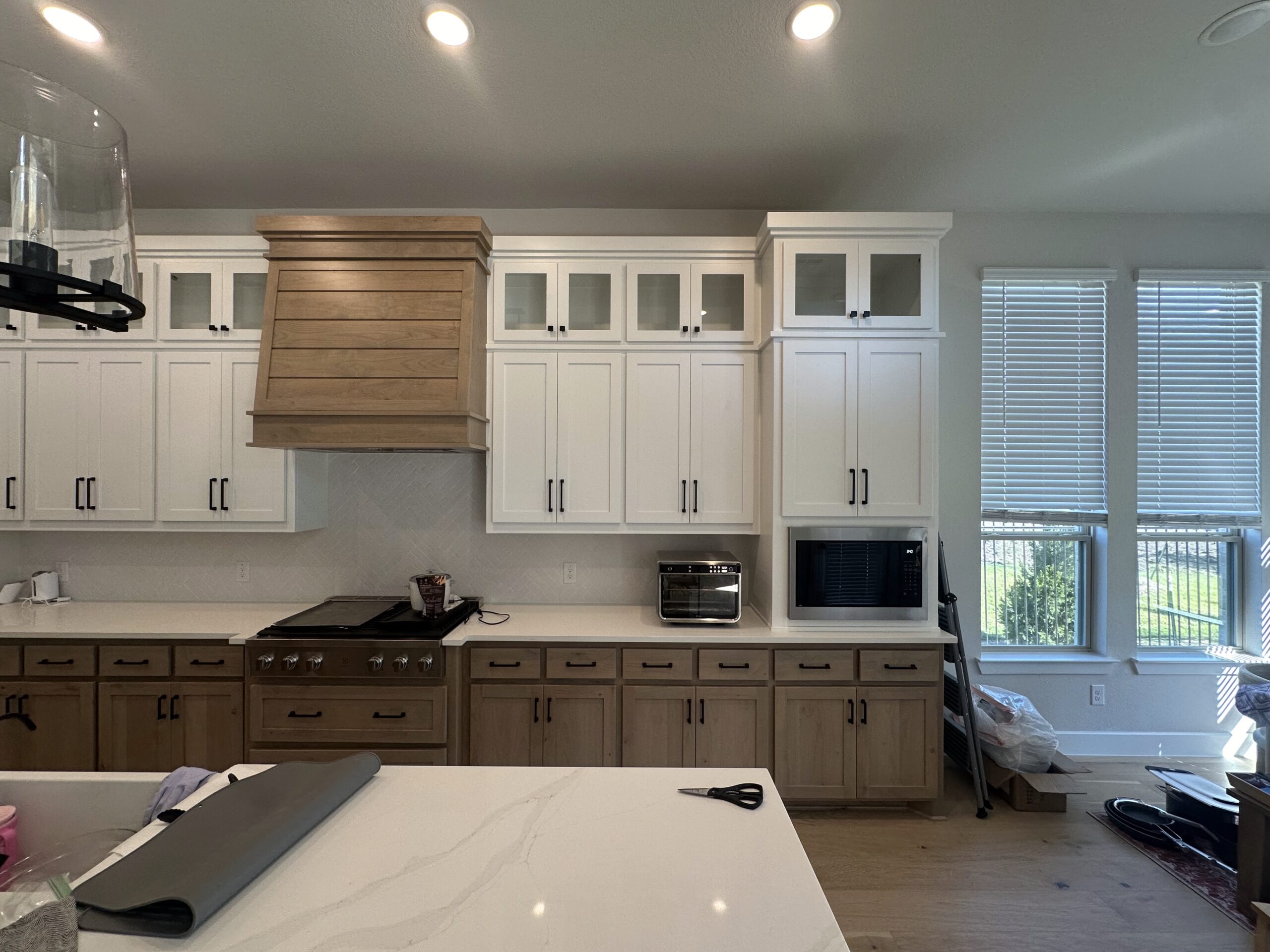
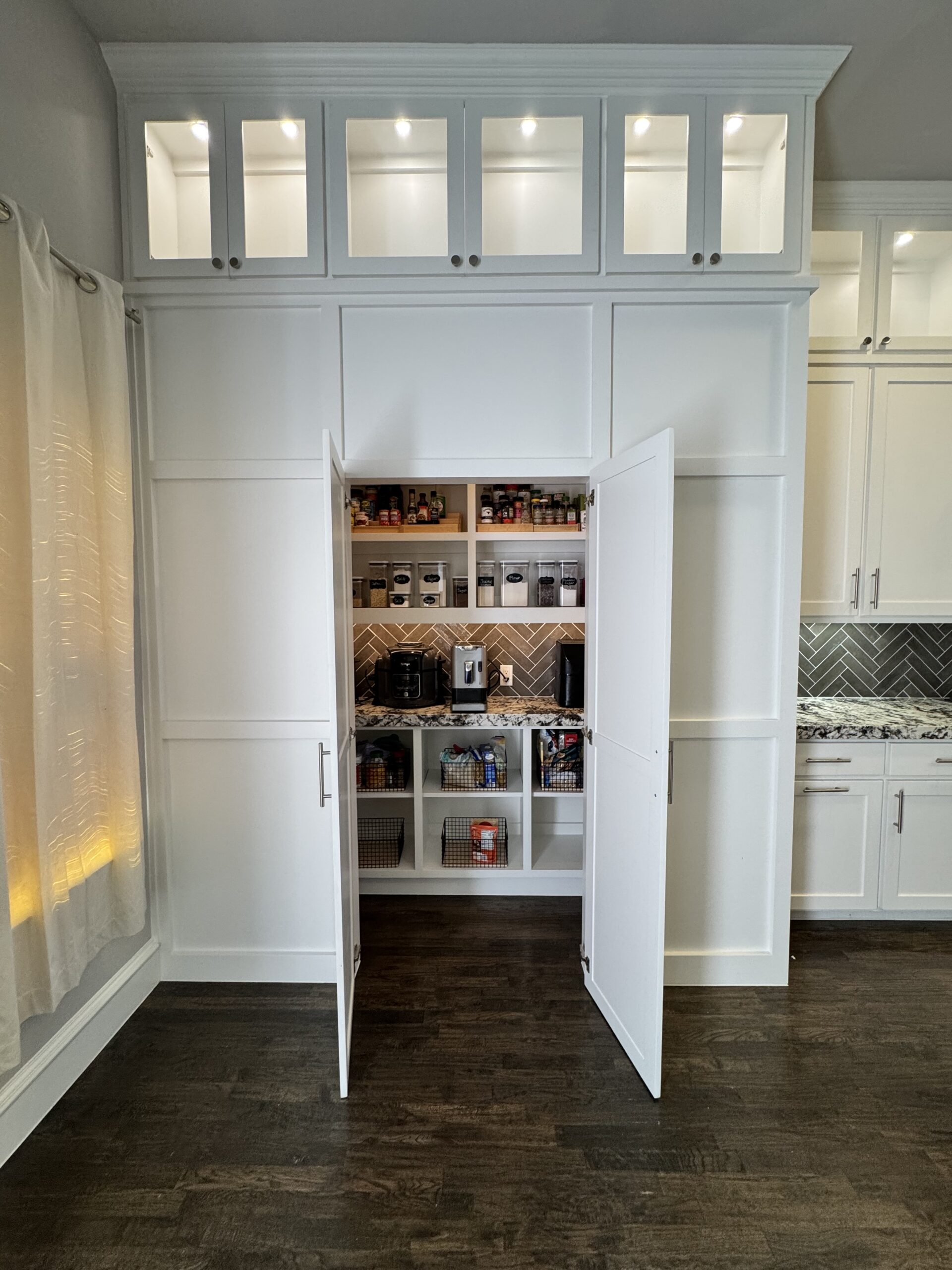
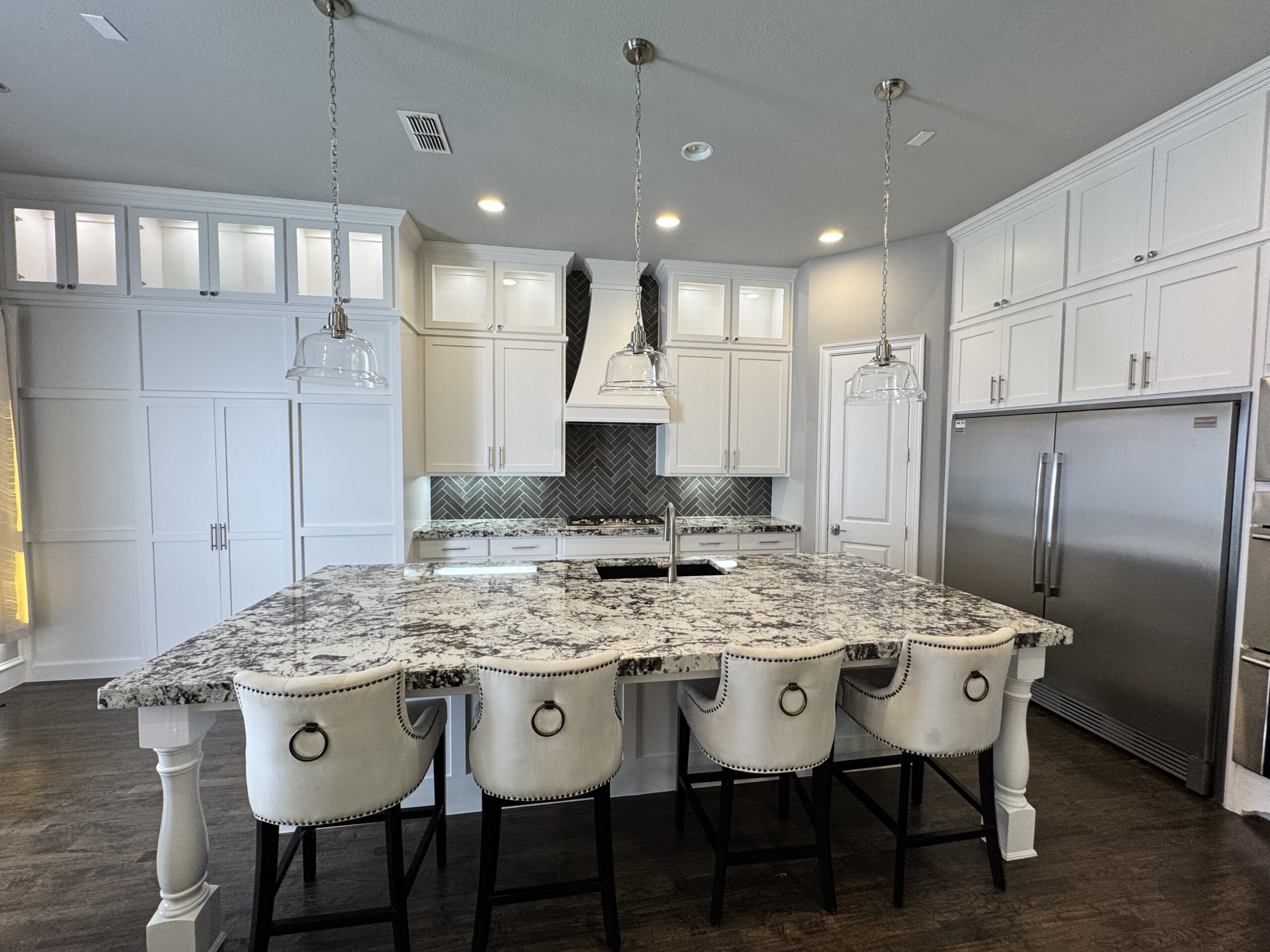
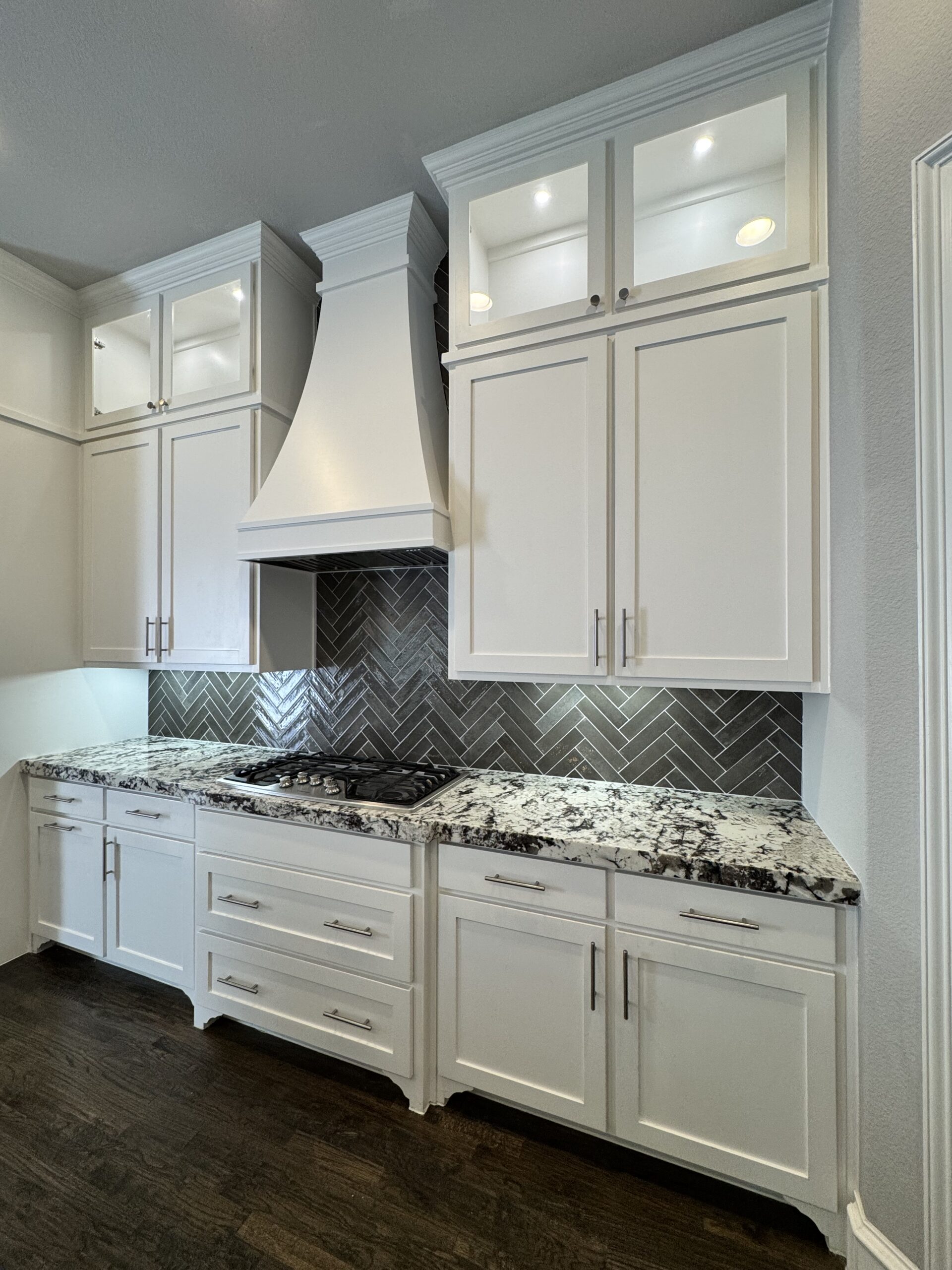
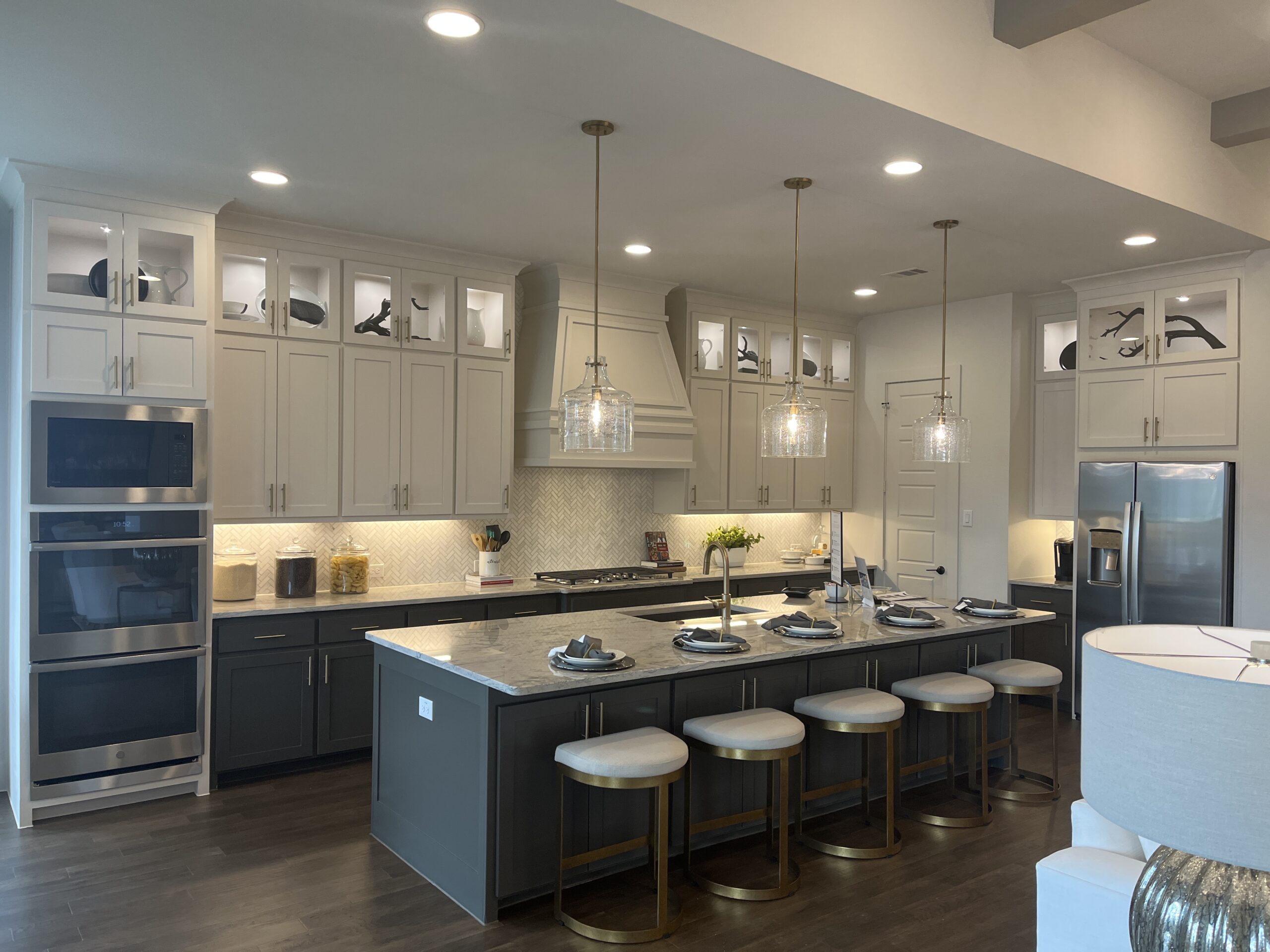
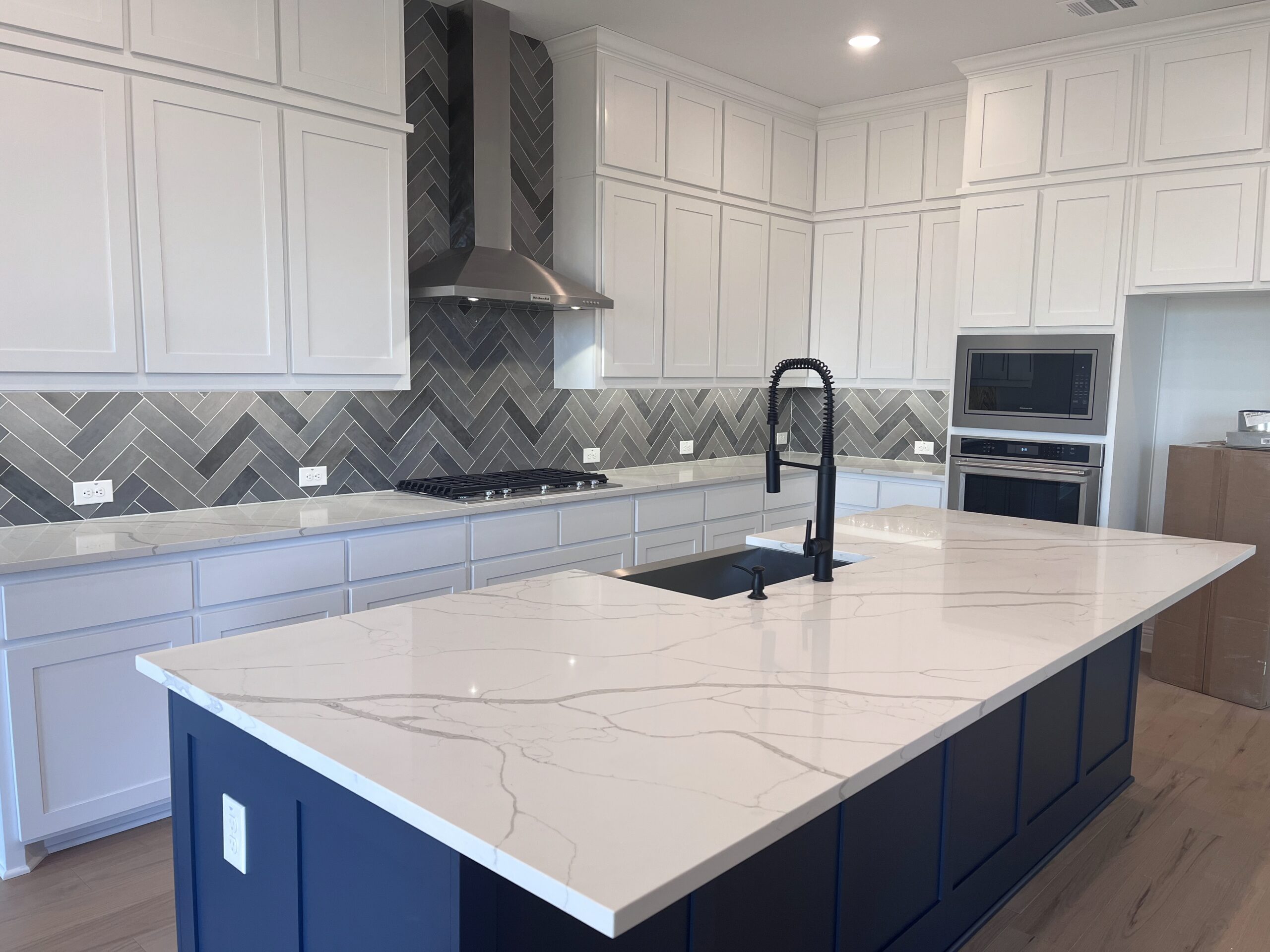
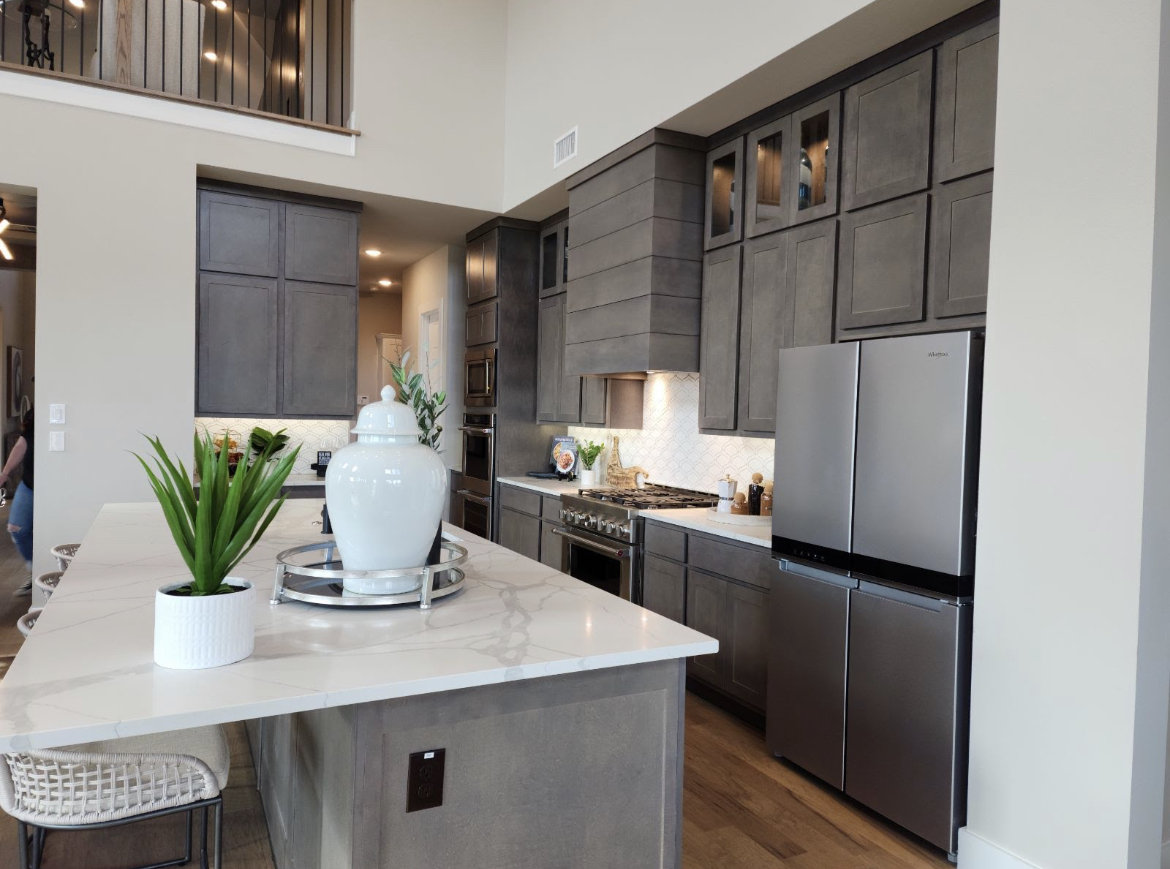
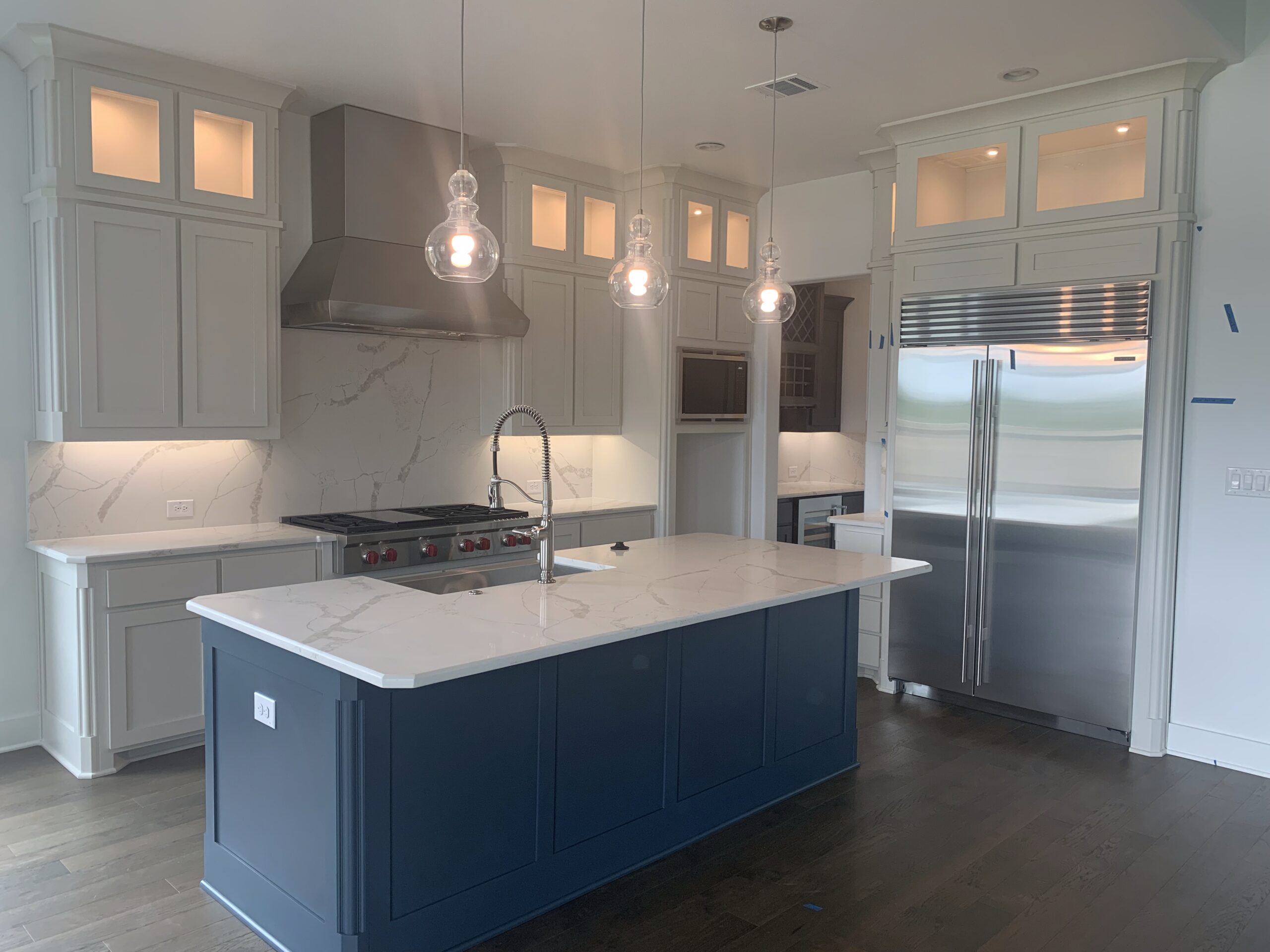
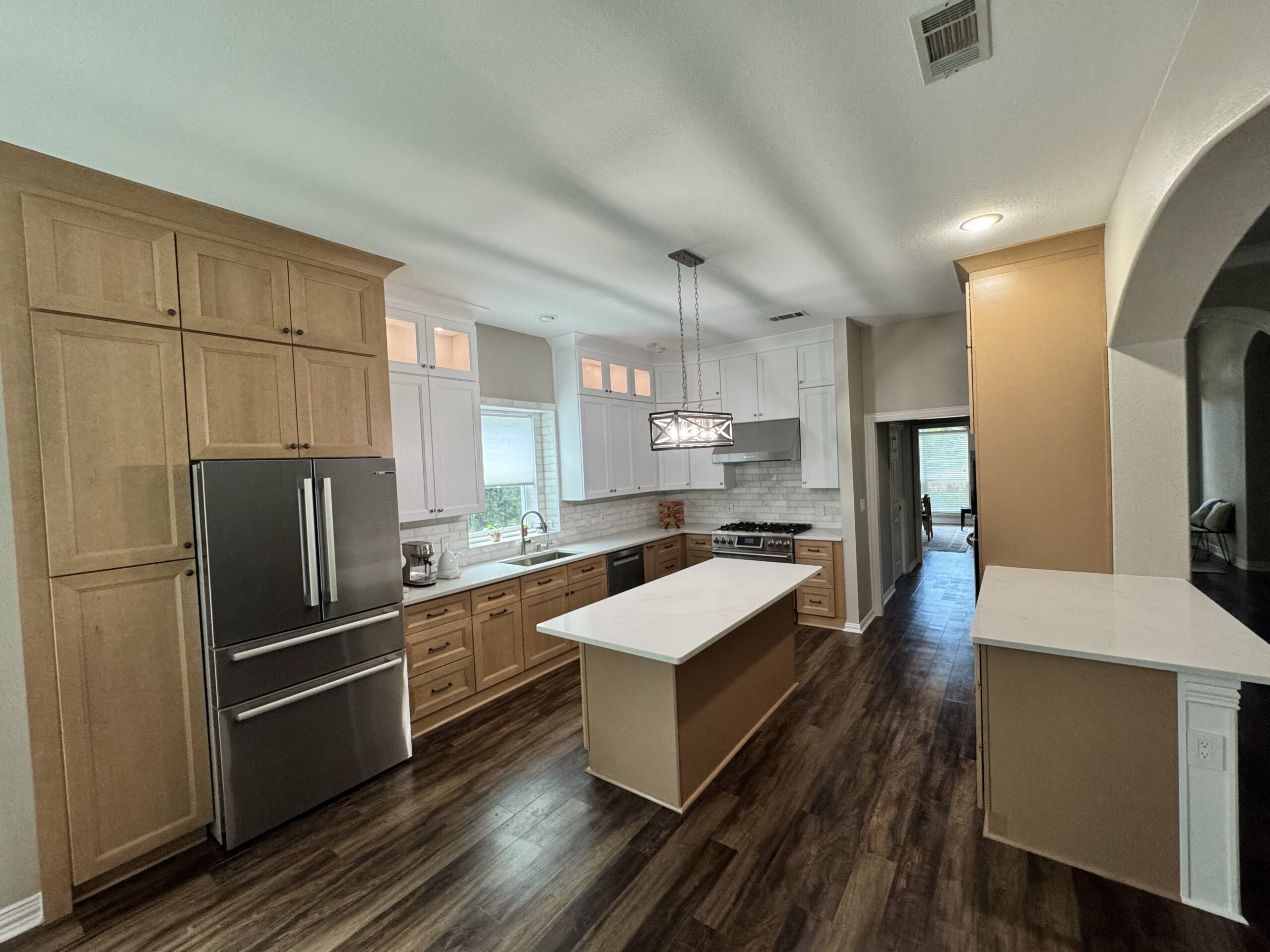
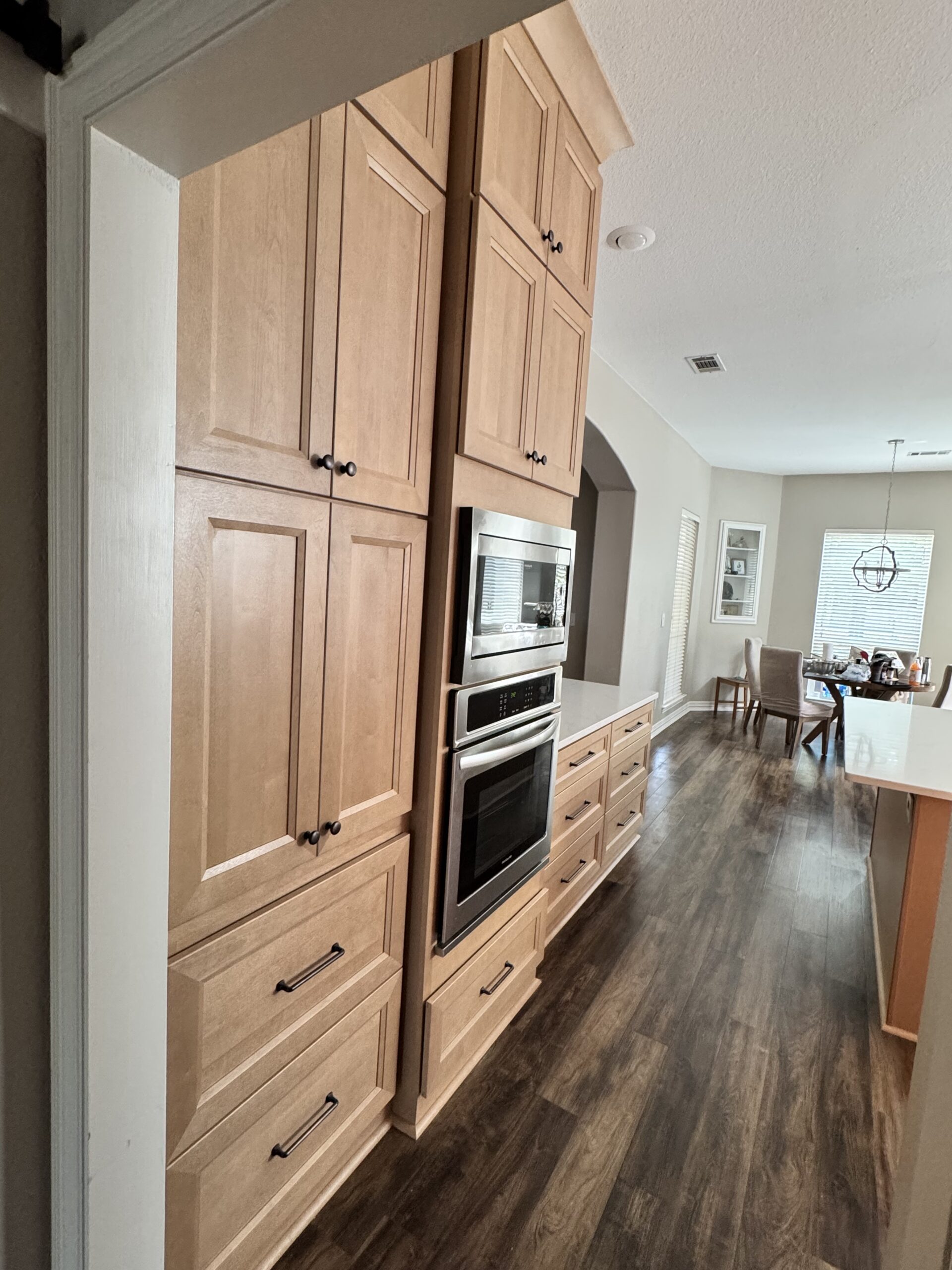
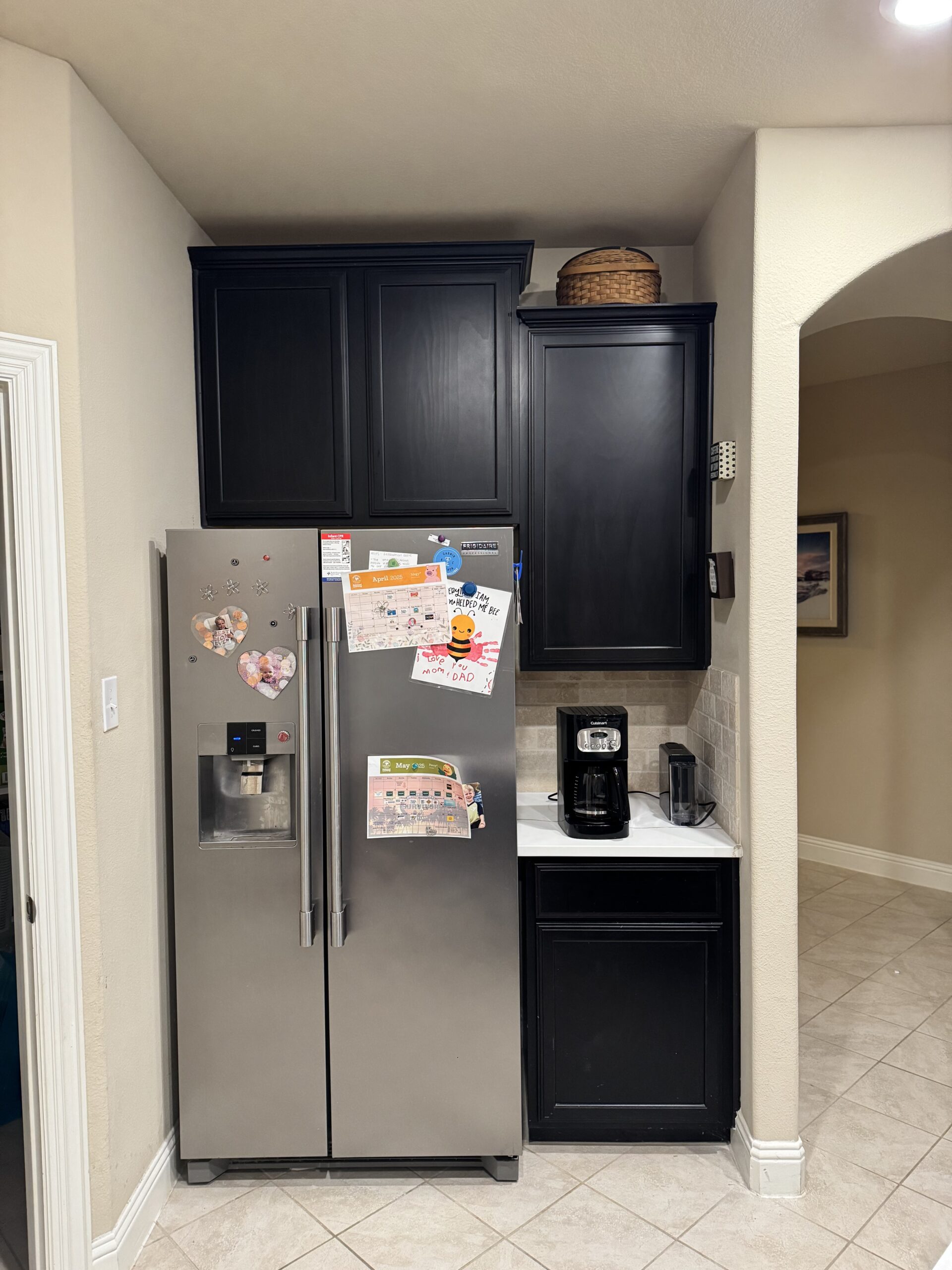
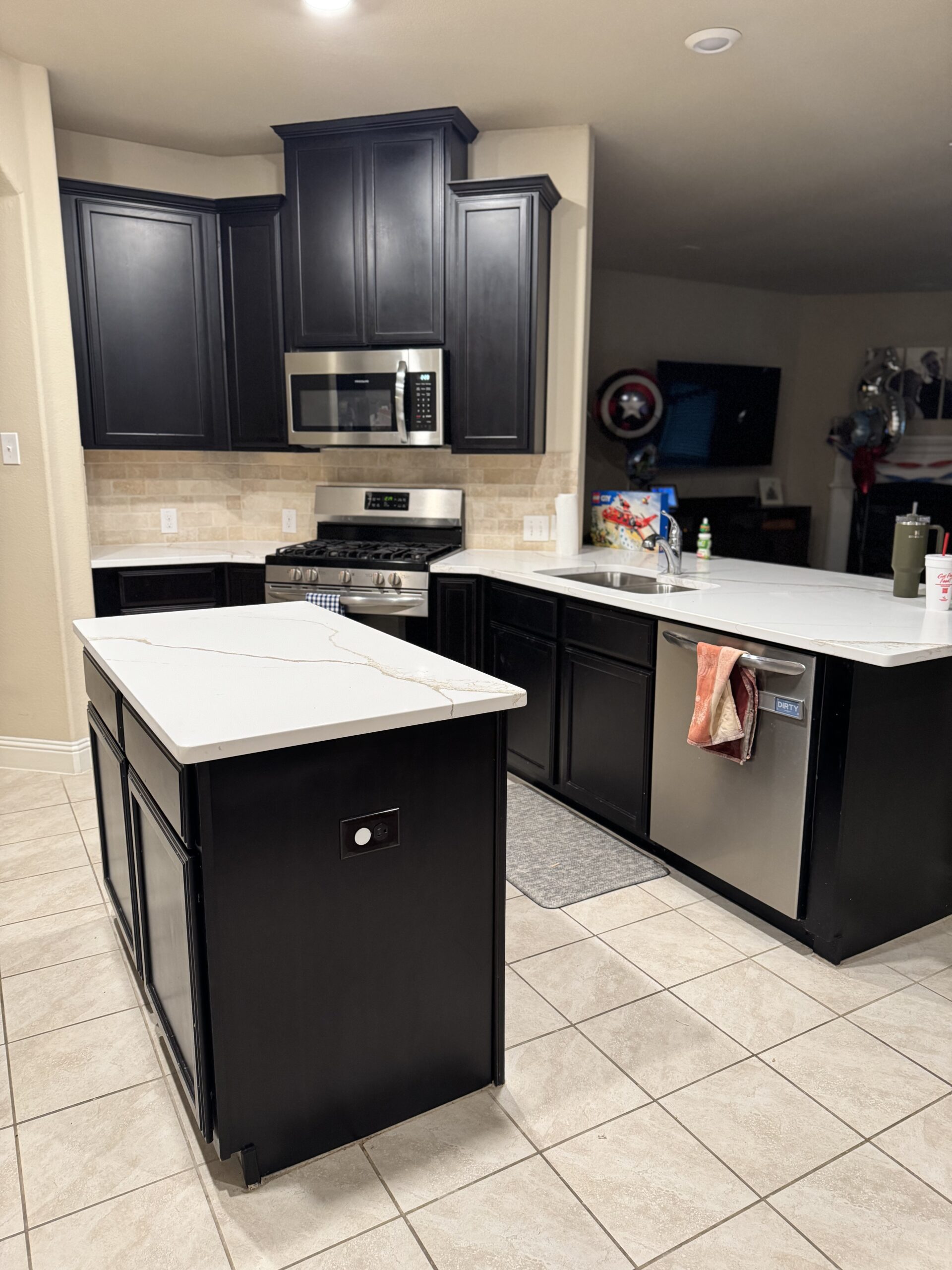
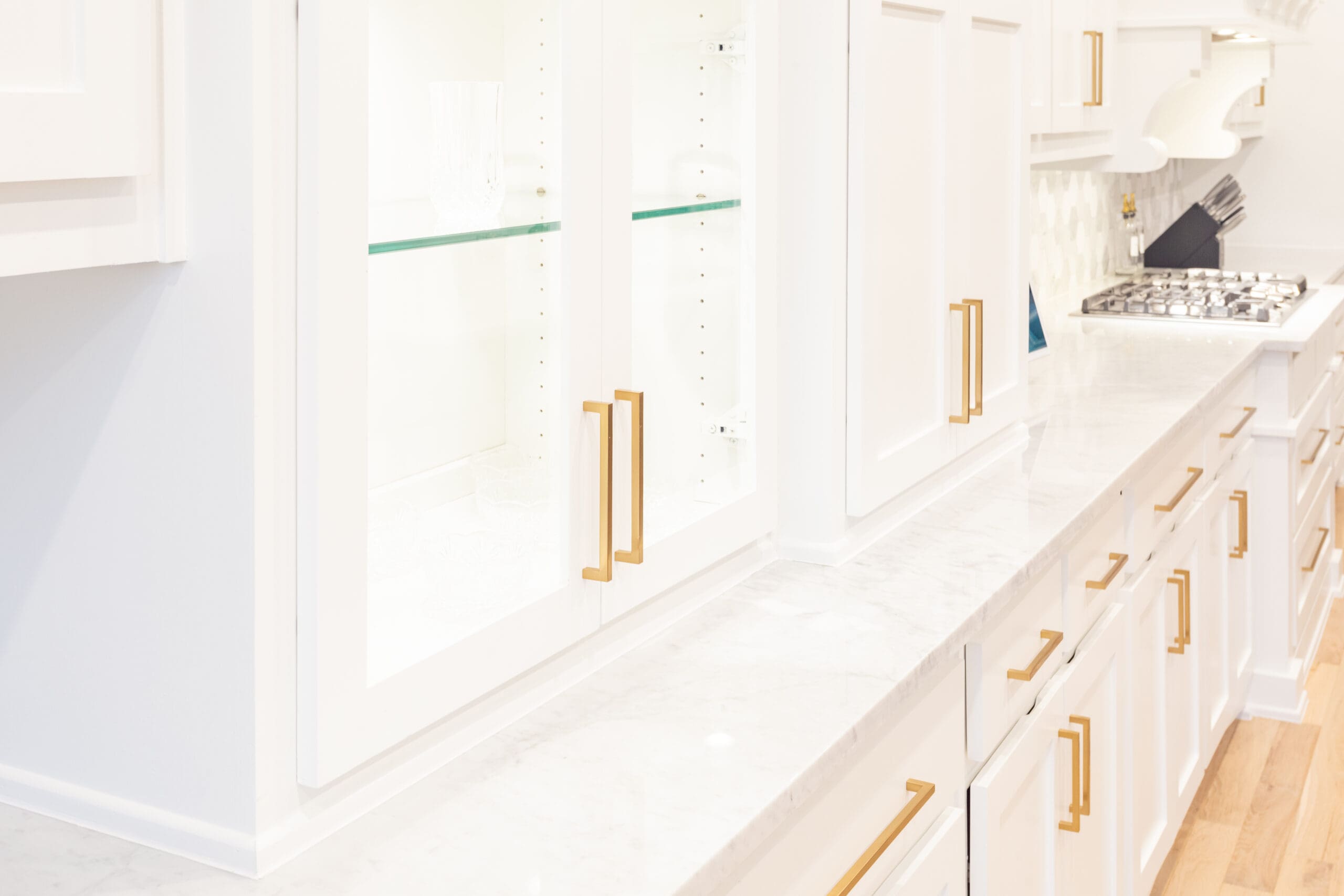
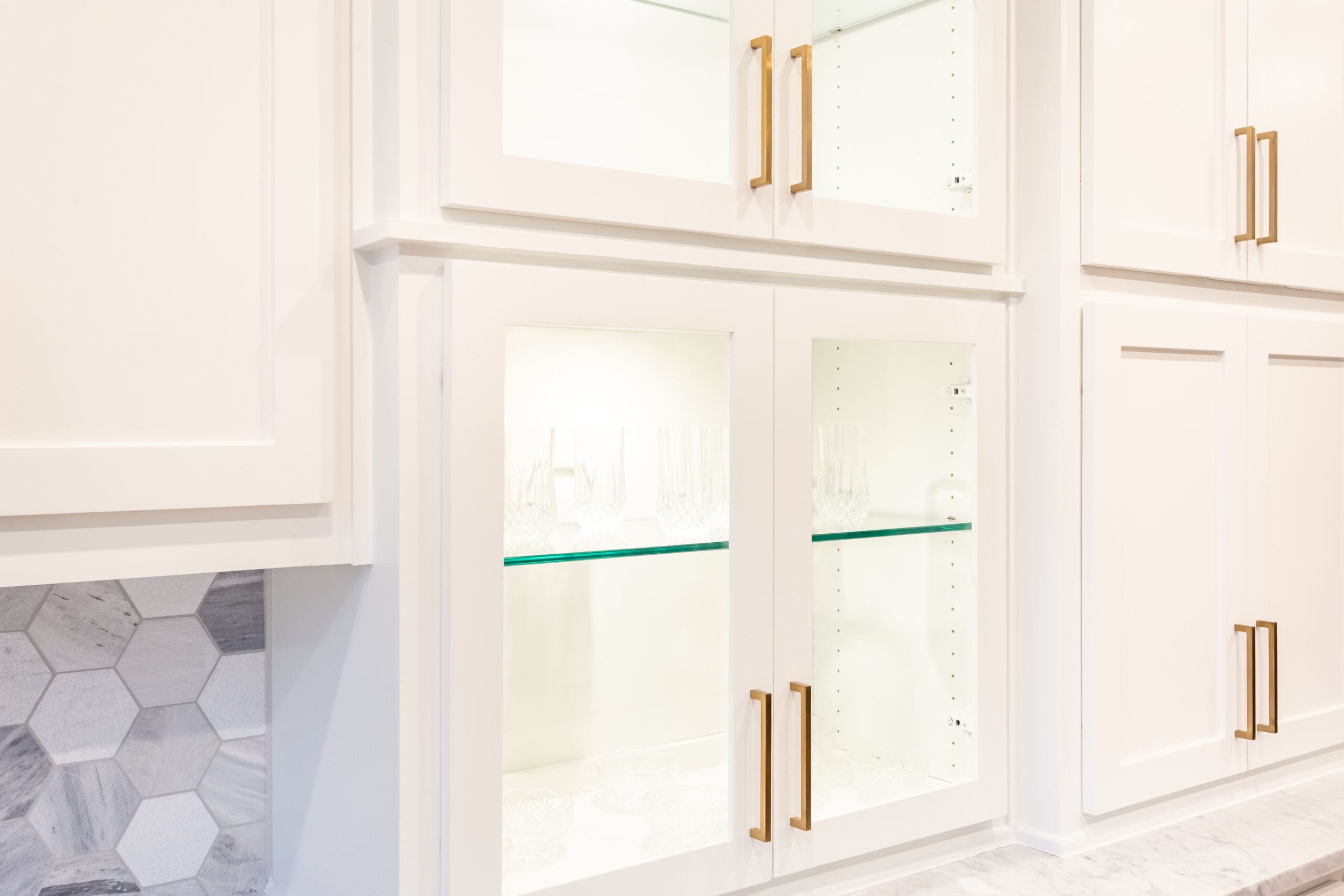
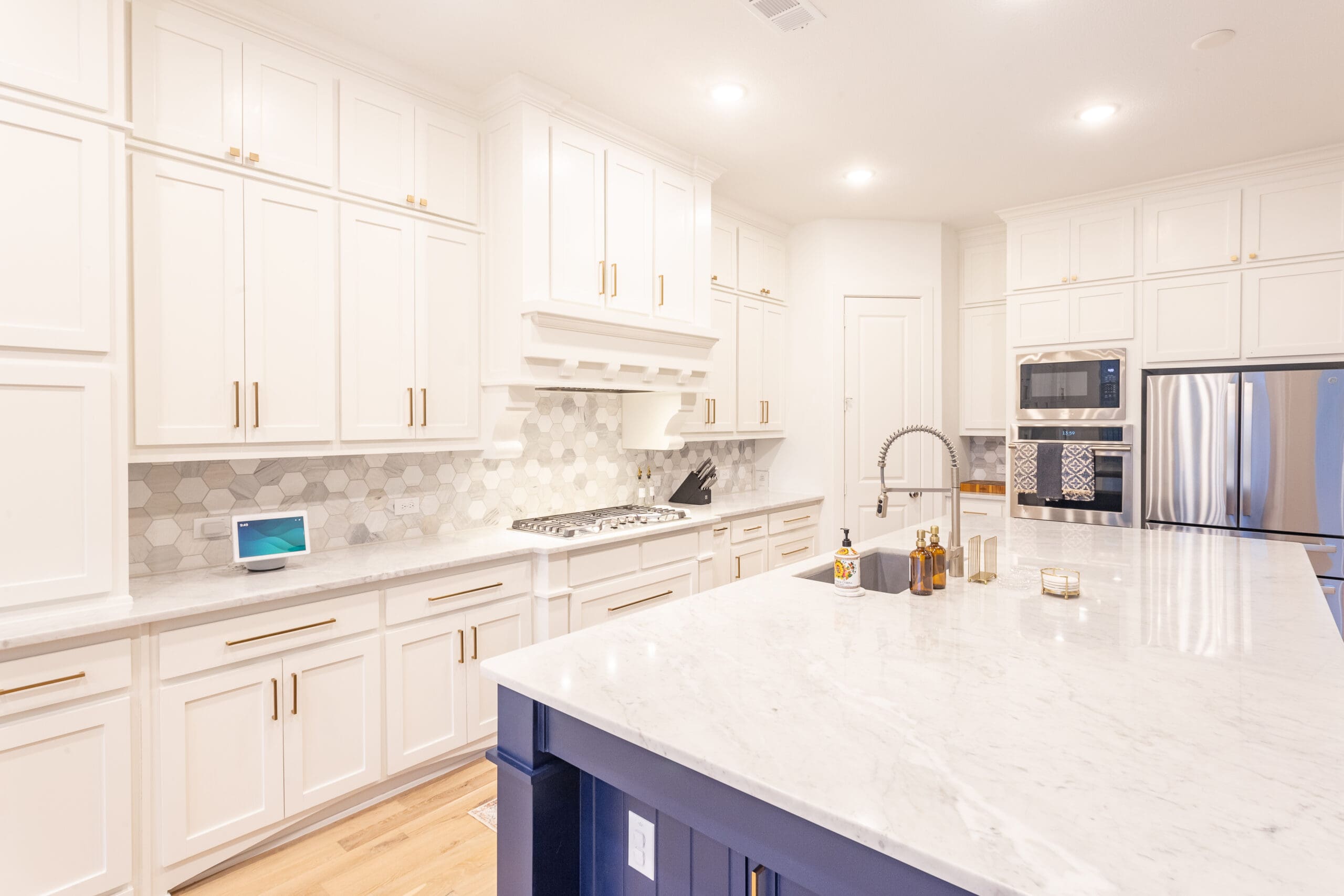
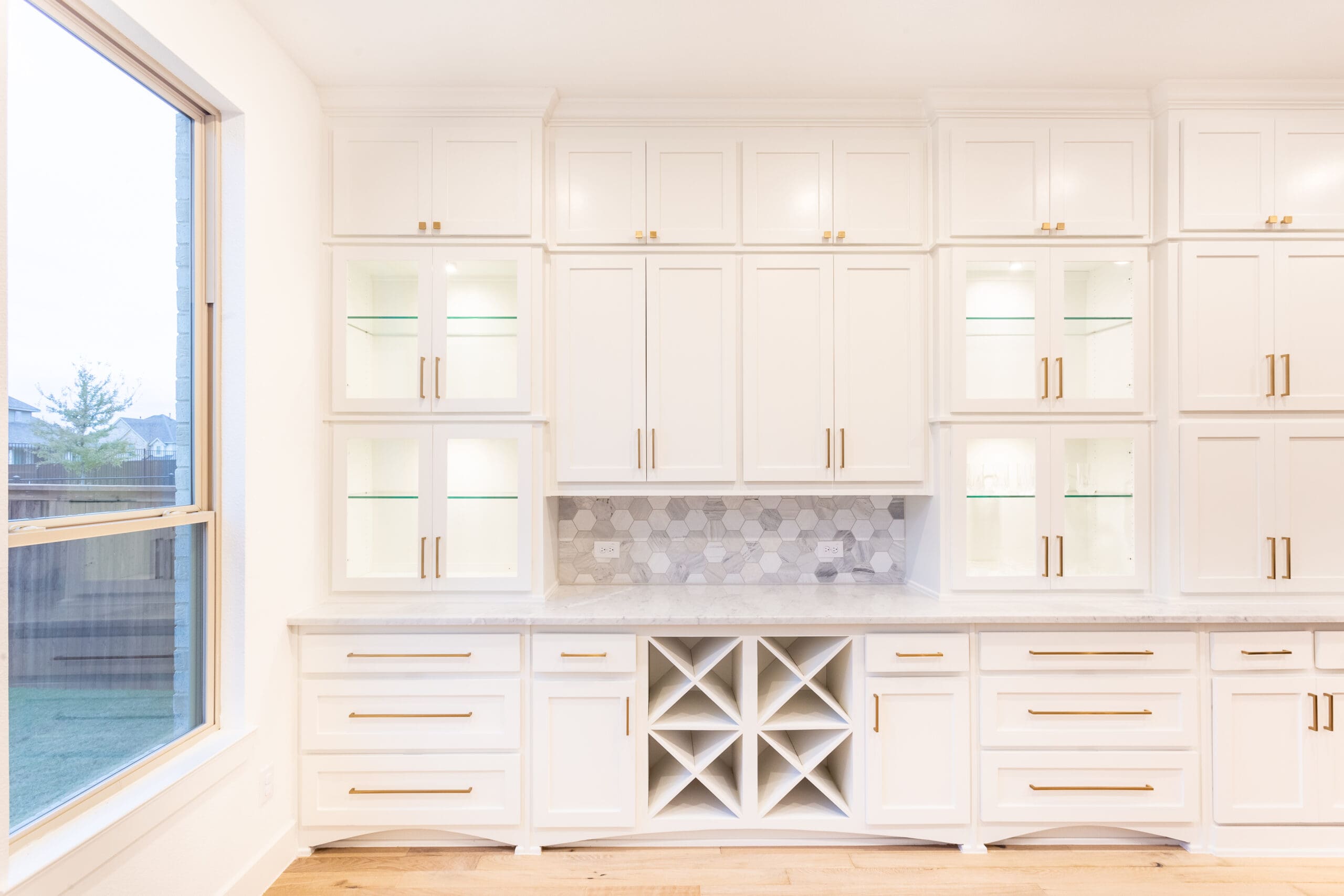
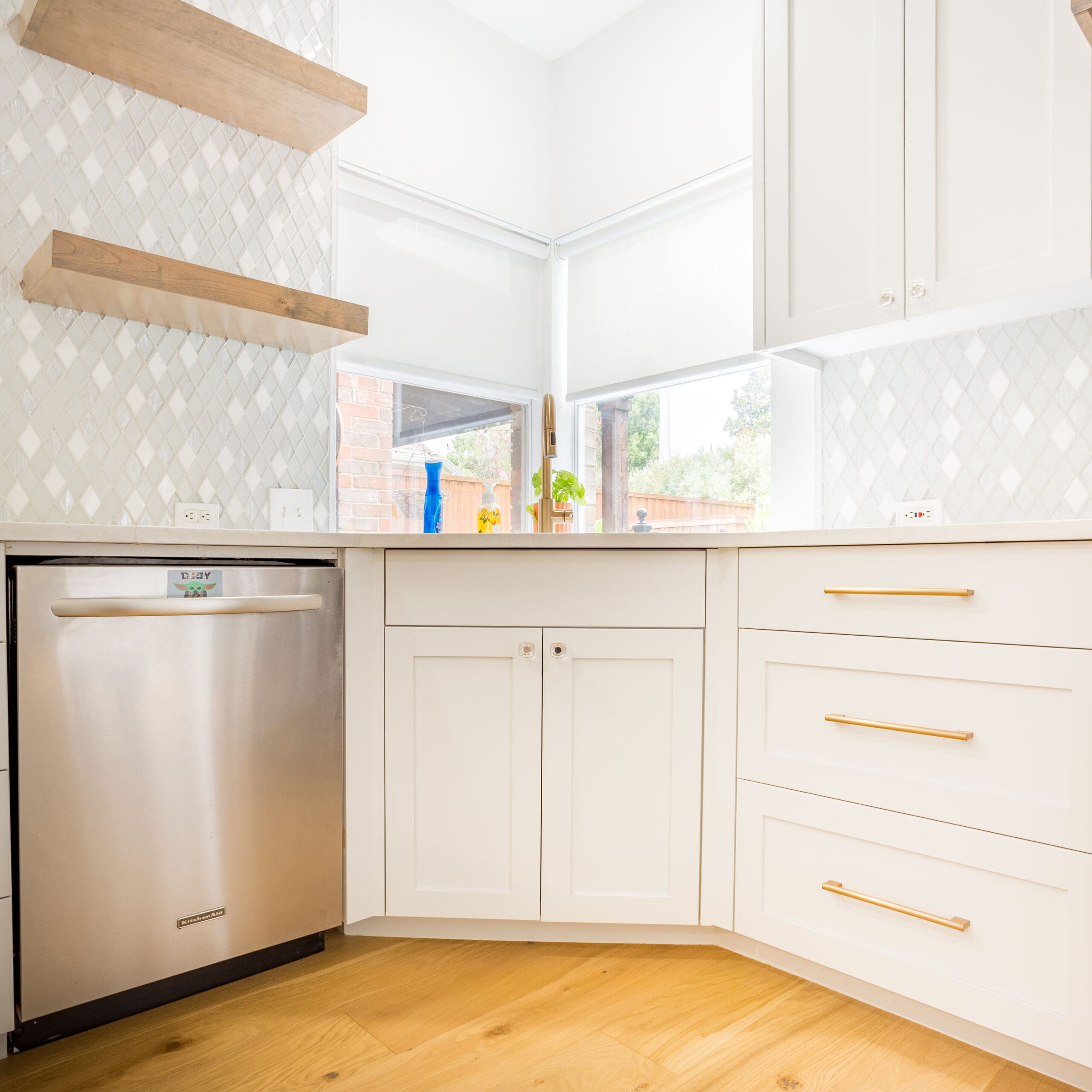
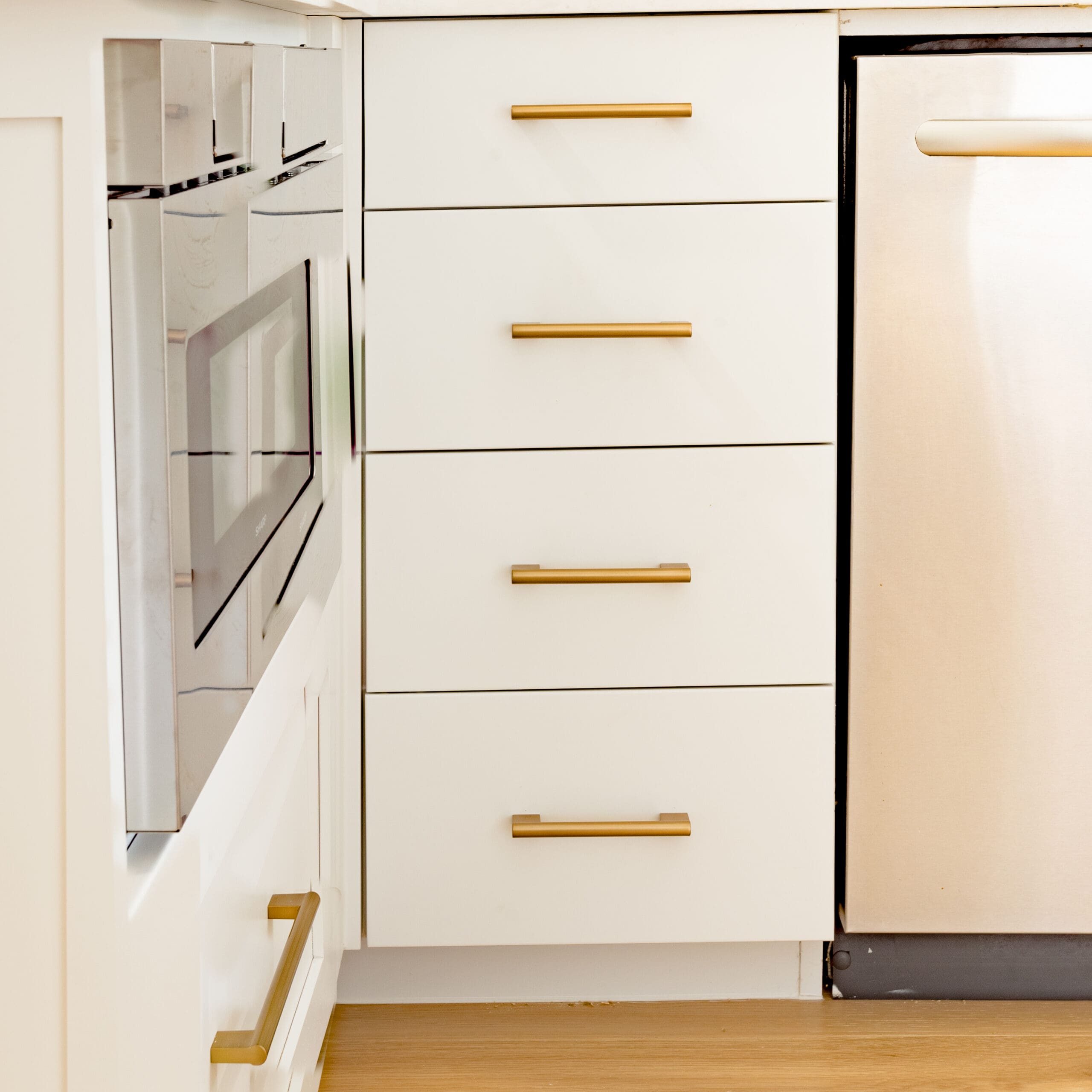
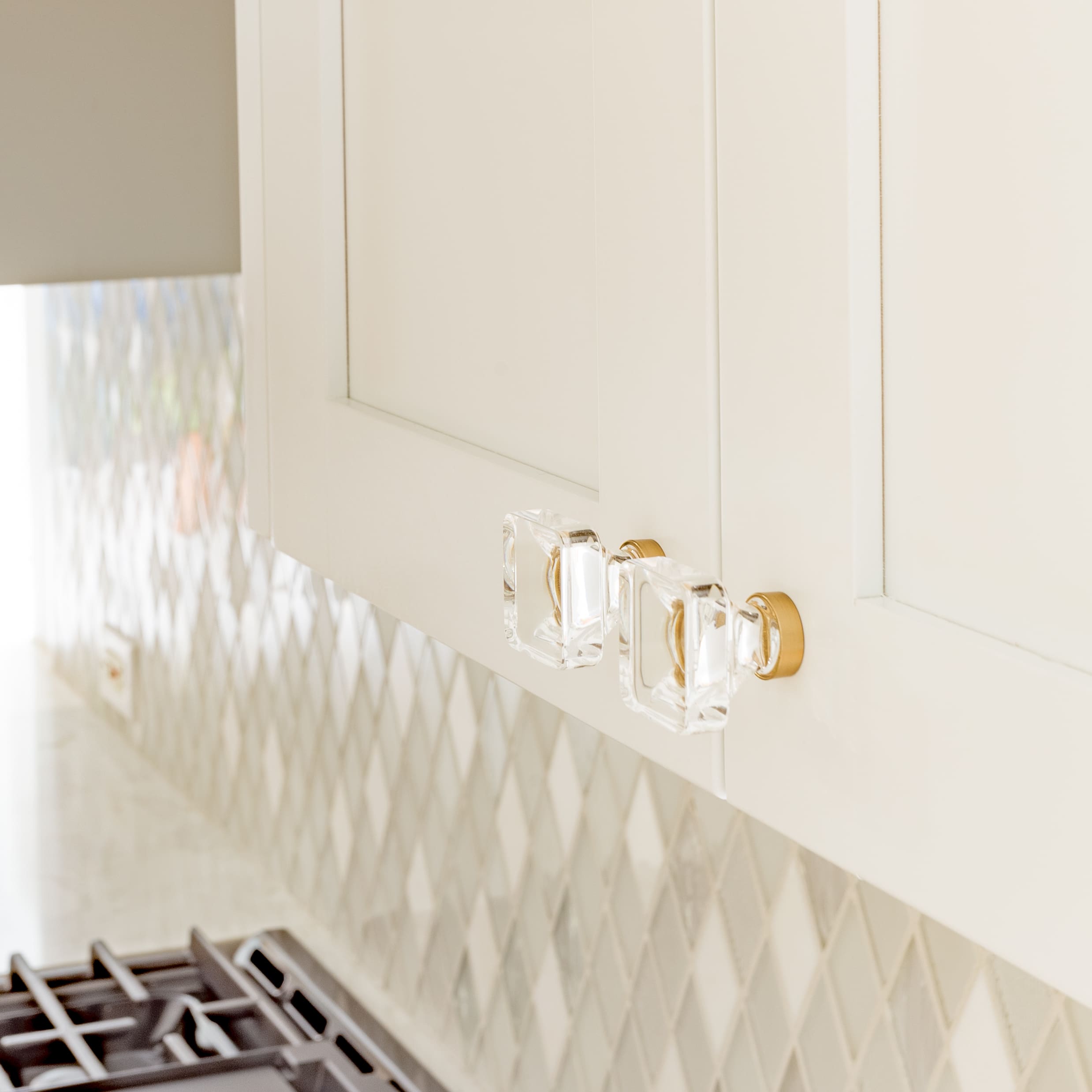
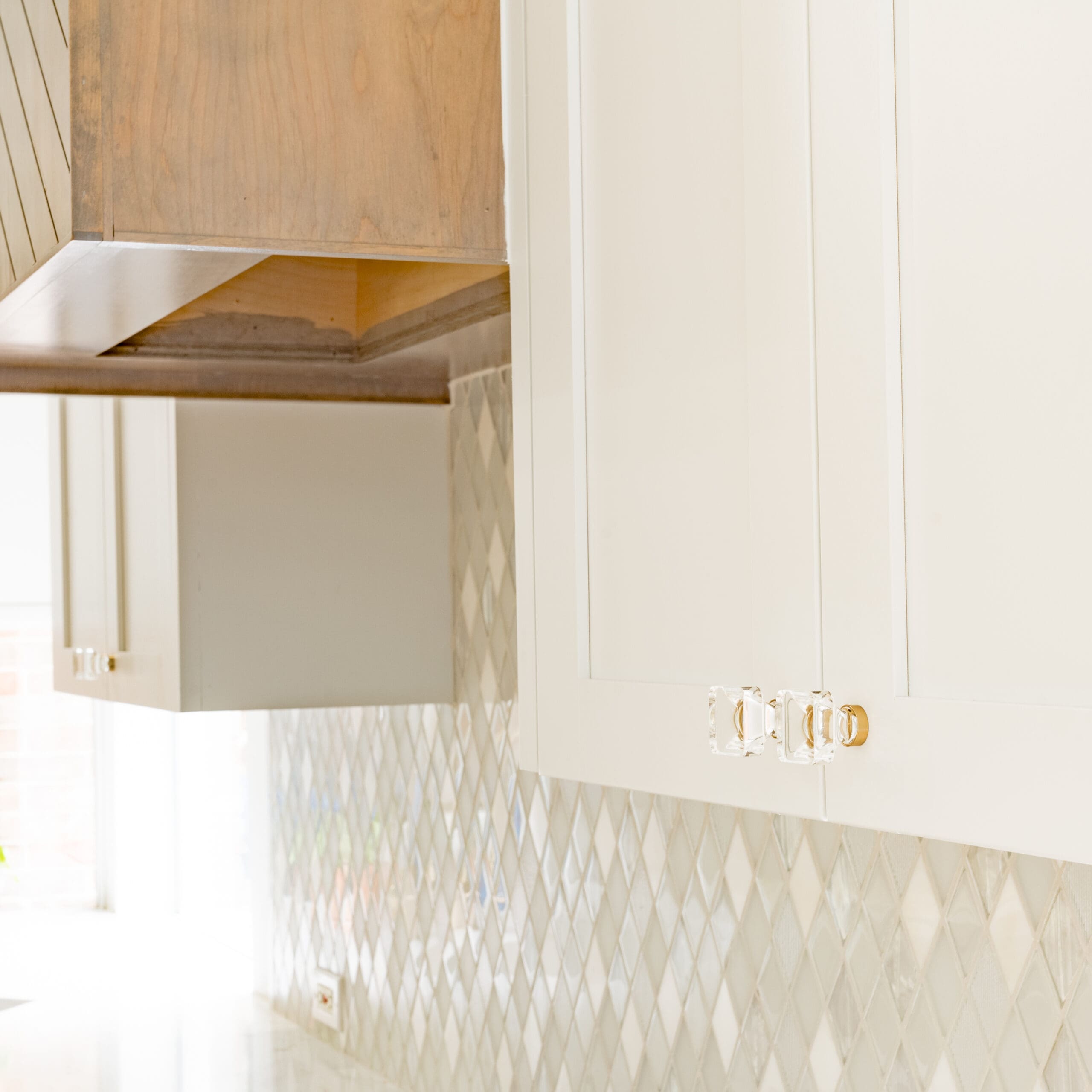
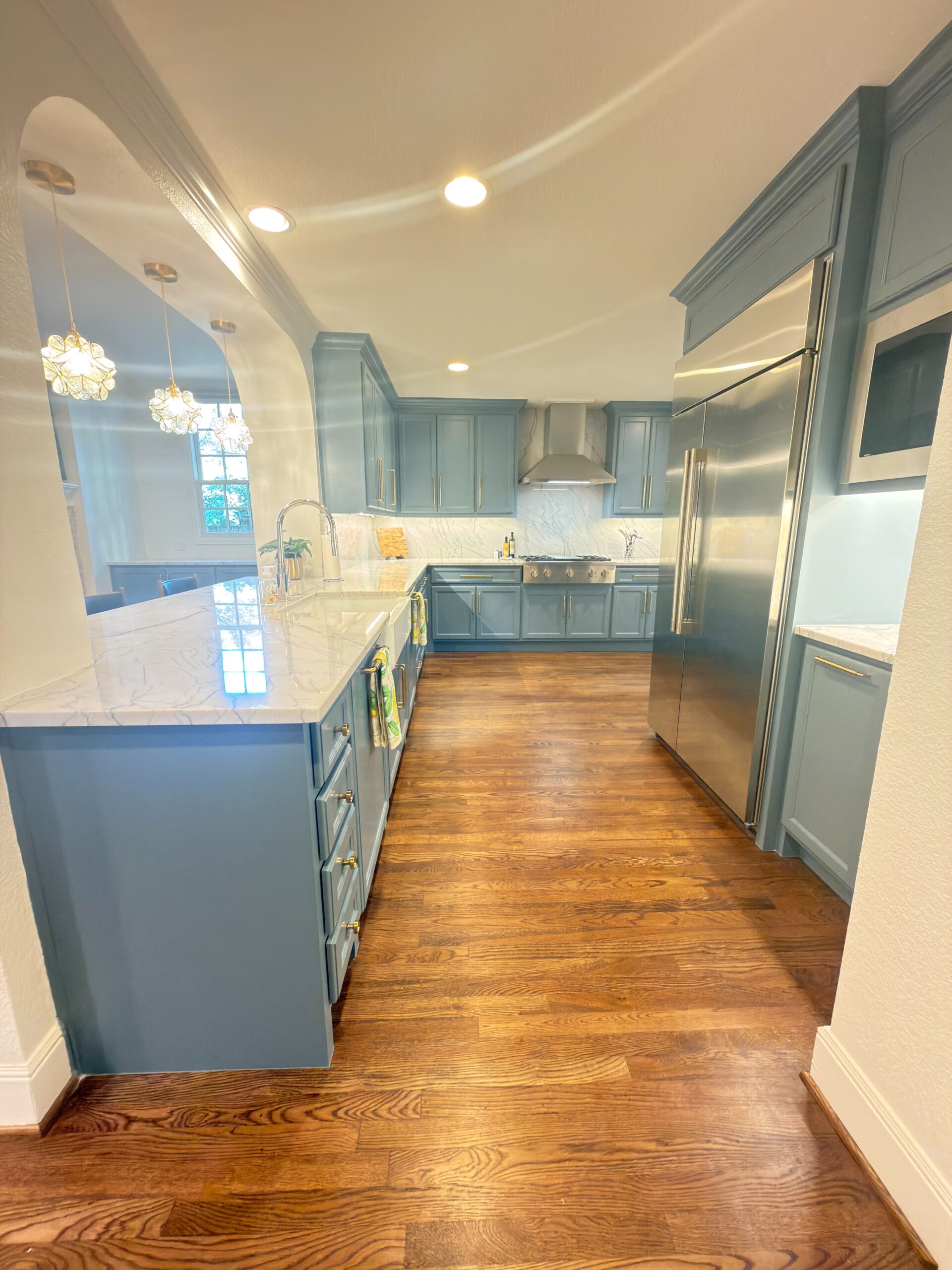
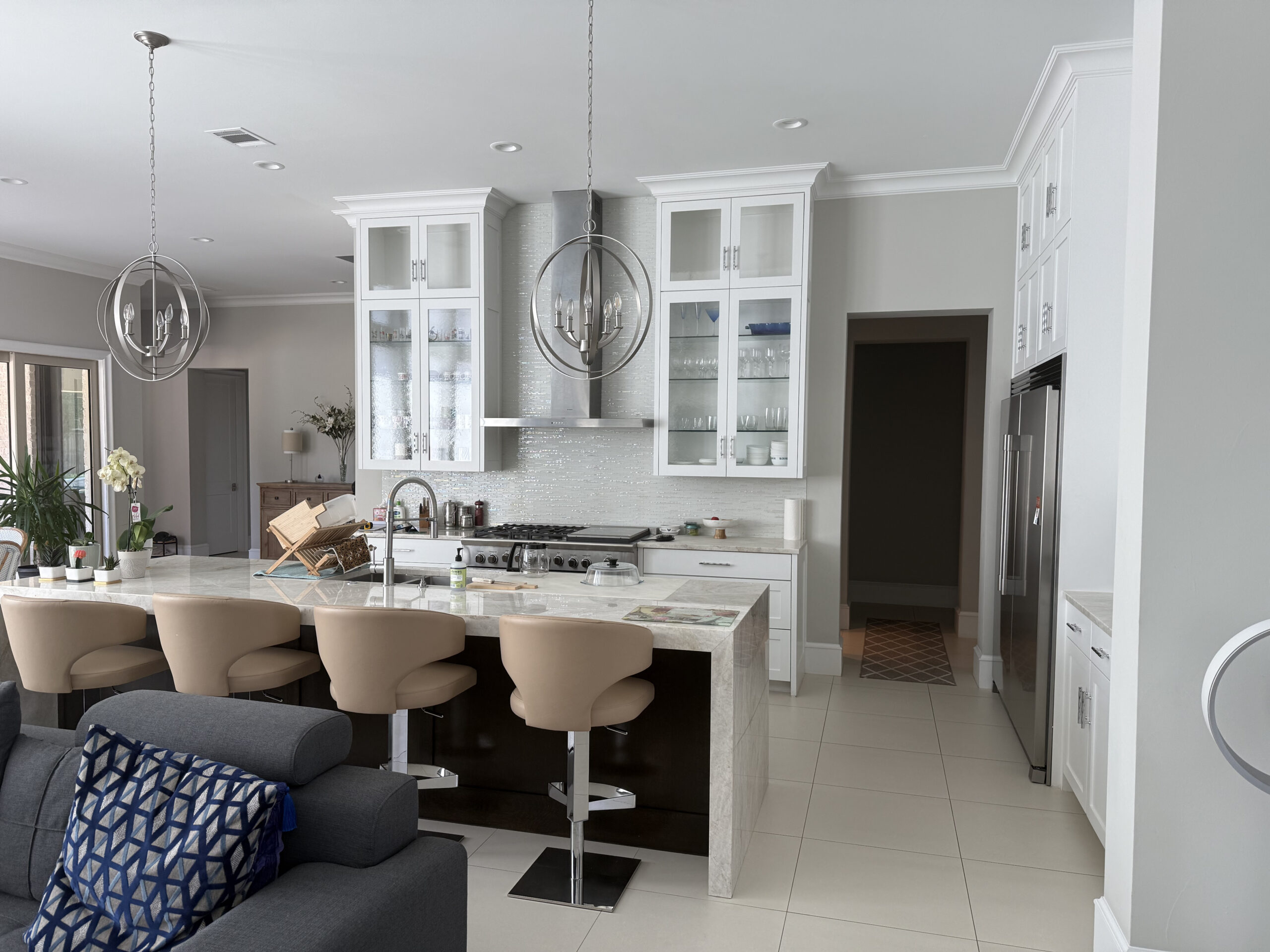
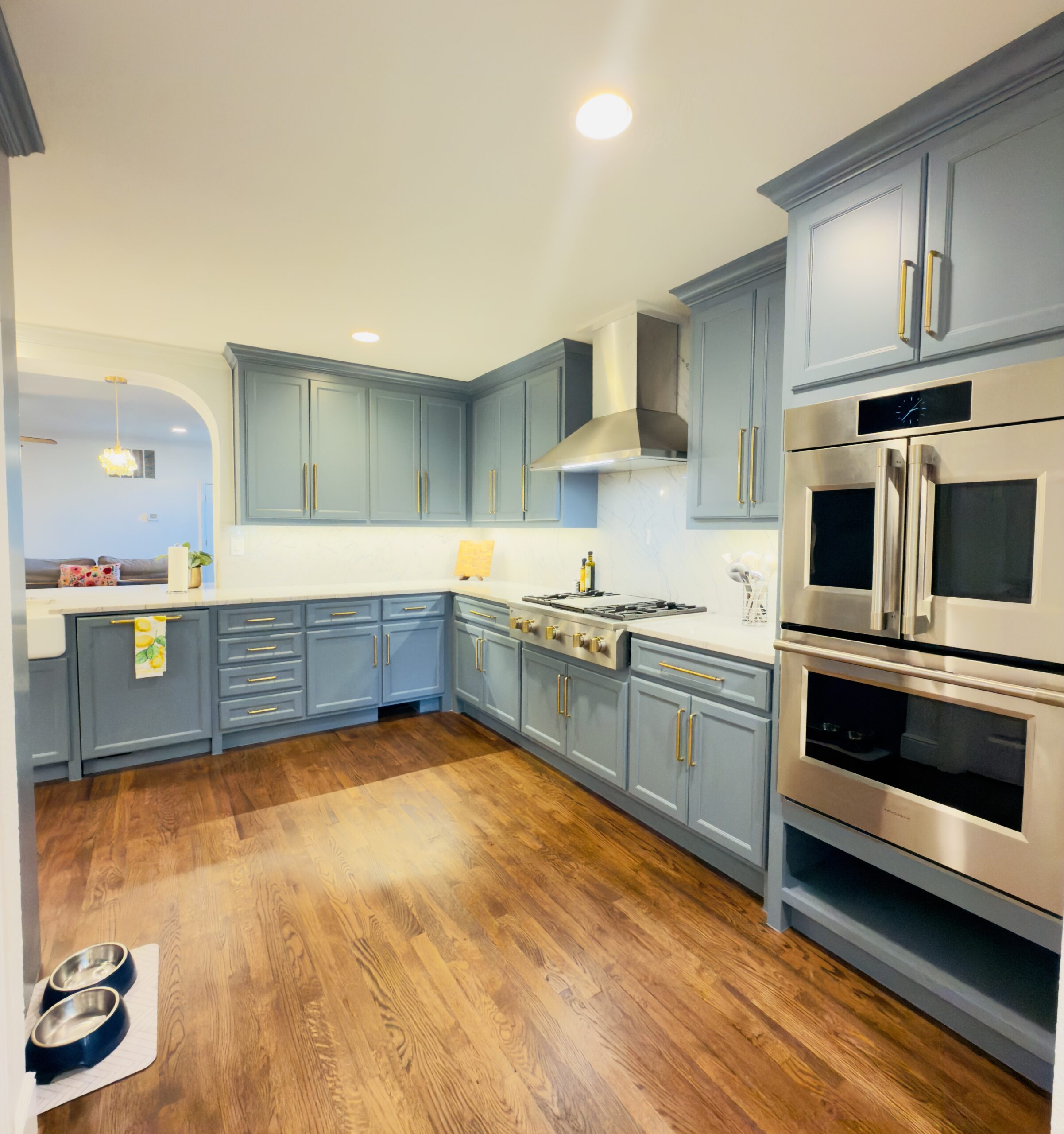
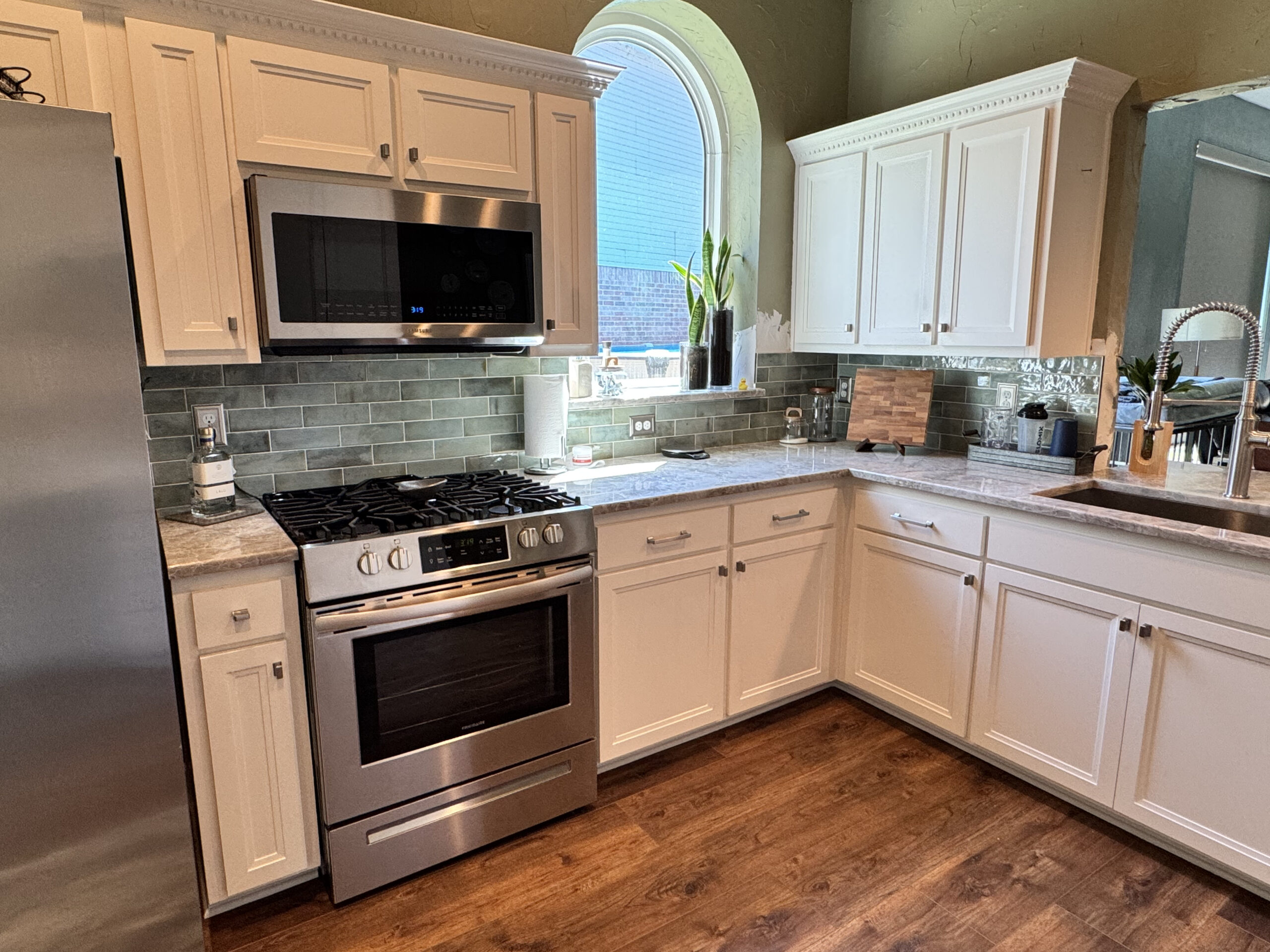
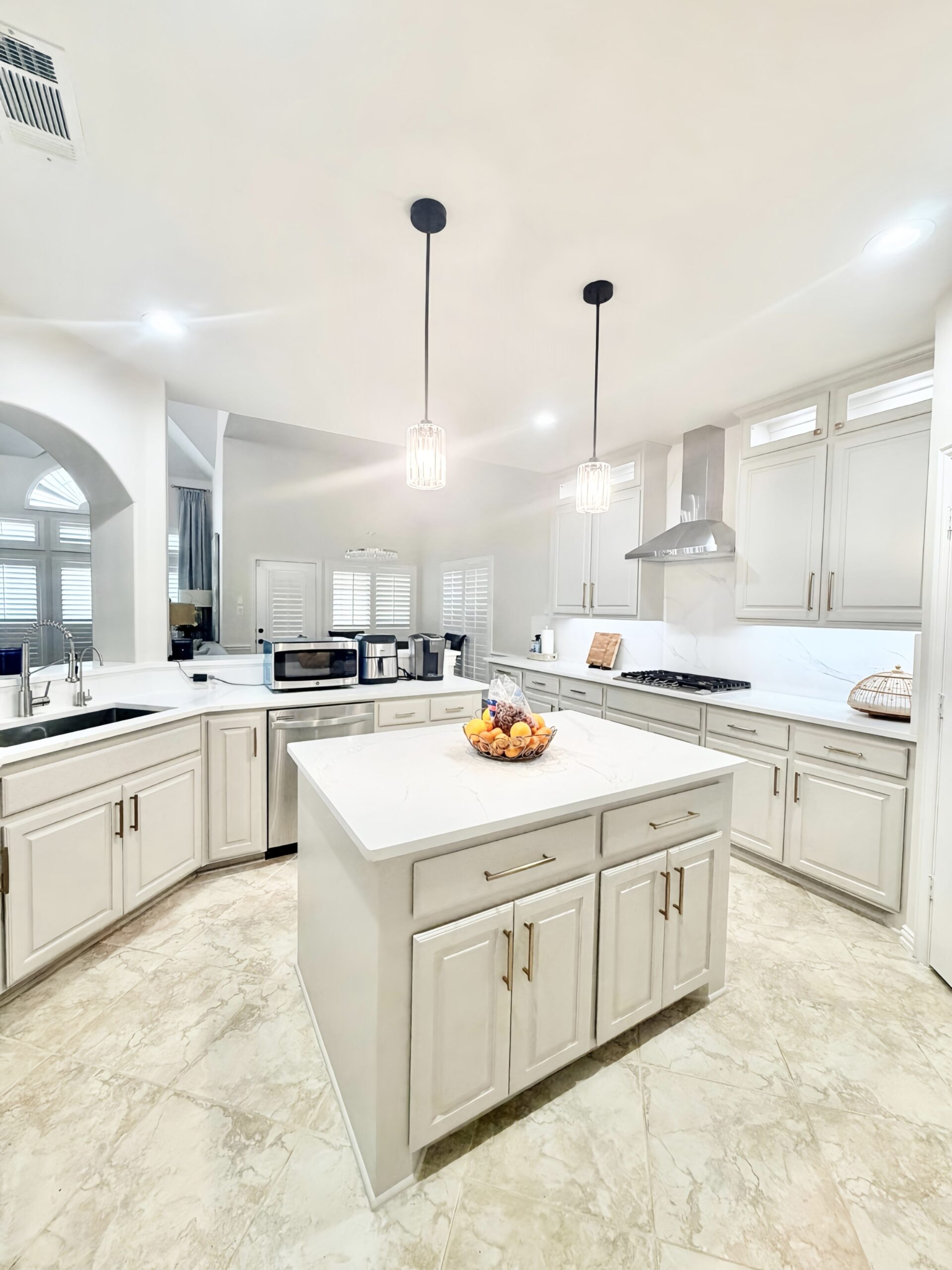
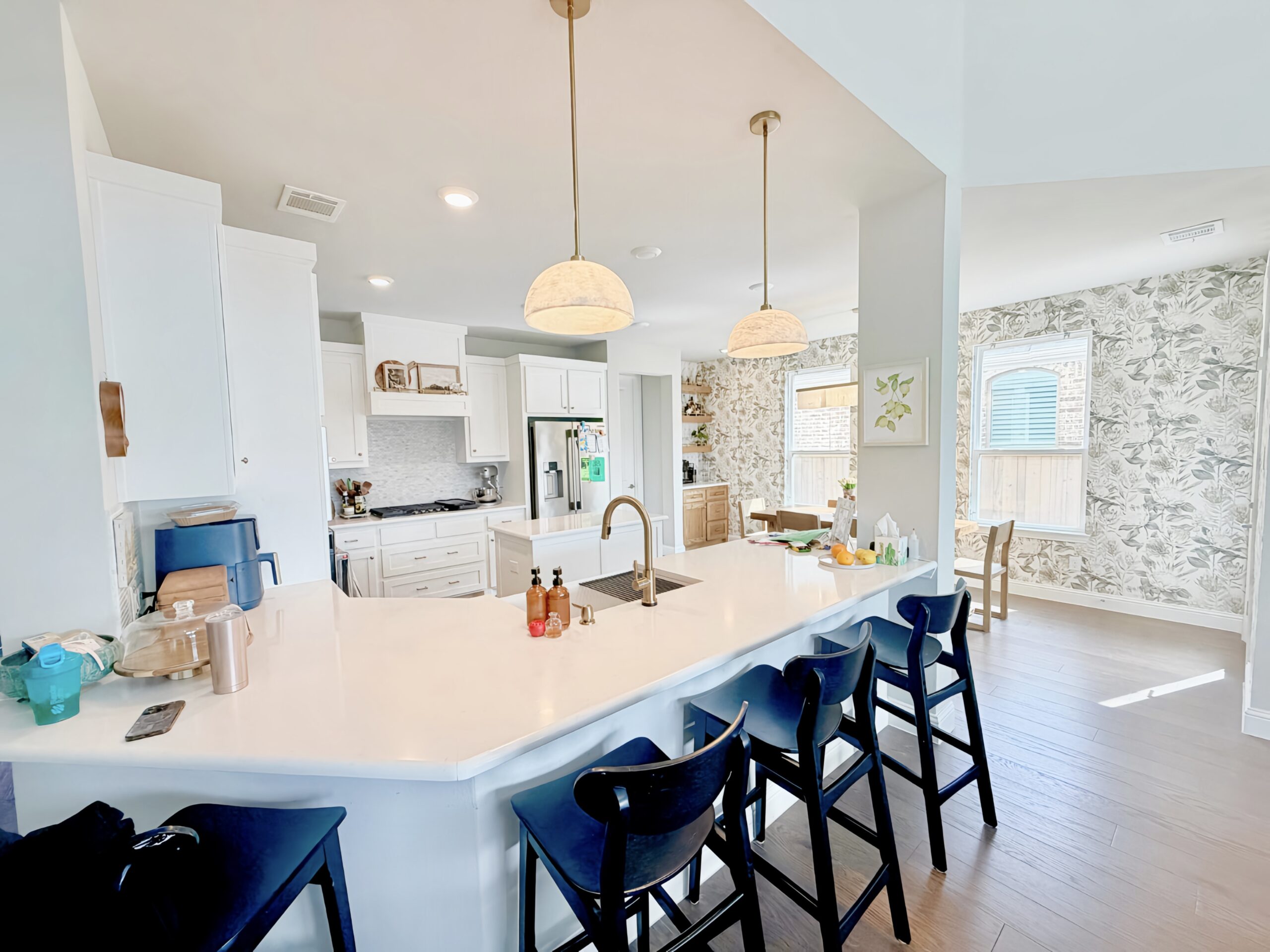
Choosing between custom and semi-custom cabinets is a pivotal decision that shapes cost, timeline, and long-term value for Frisco and Plano kitchen remodels. This guide explains what sets fully custom cabinetry apart from semi-custom lines, how each option translates into per-linear-foot and project-level pricing in Frisco and Plano, and why local market conditions change the math. Homeowners will learn how material selection, hardware, finishes, labor rates, and lead time drive costs, and how those drivers affect durability and resale value in these North Texas markets. The article maps practical steps: define custom and semi-custom choices in each city, compare them side-by-side with a price table, break down the primary cost factors, provide a homeowner decision framework, and show where to find and vet local cabinet makers and showrooms. Throughout, target phrases like cabinet pricing guide, custom cabinets Frisco price, and kitchen cabinet cost per linear foot Frisco Plano are woven into practical, region-specific guidance to help you budget and choose with confidence.
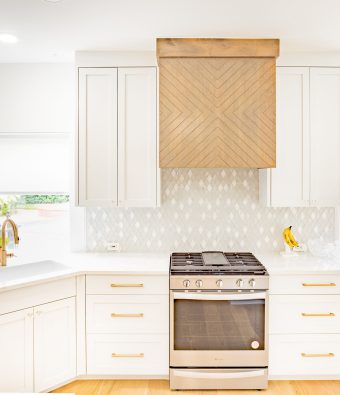
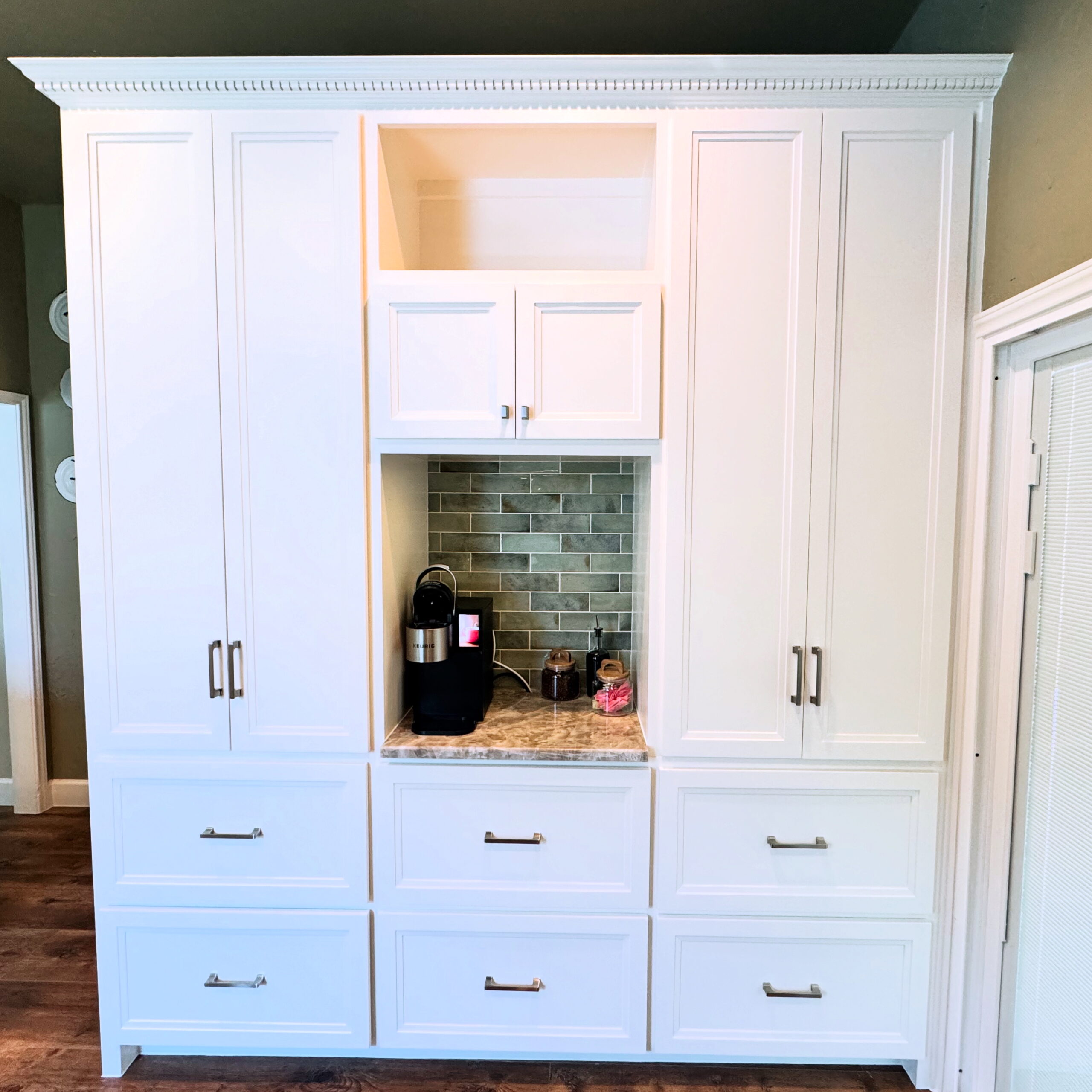
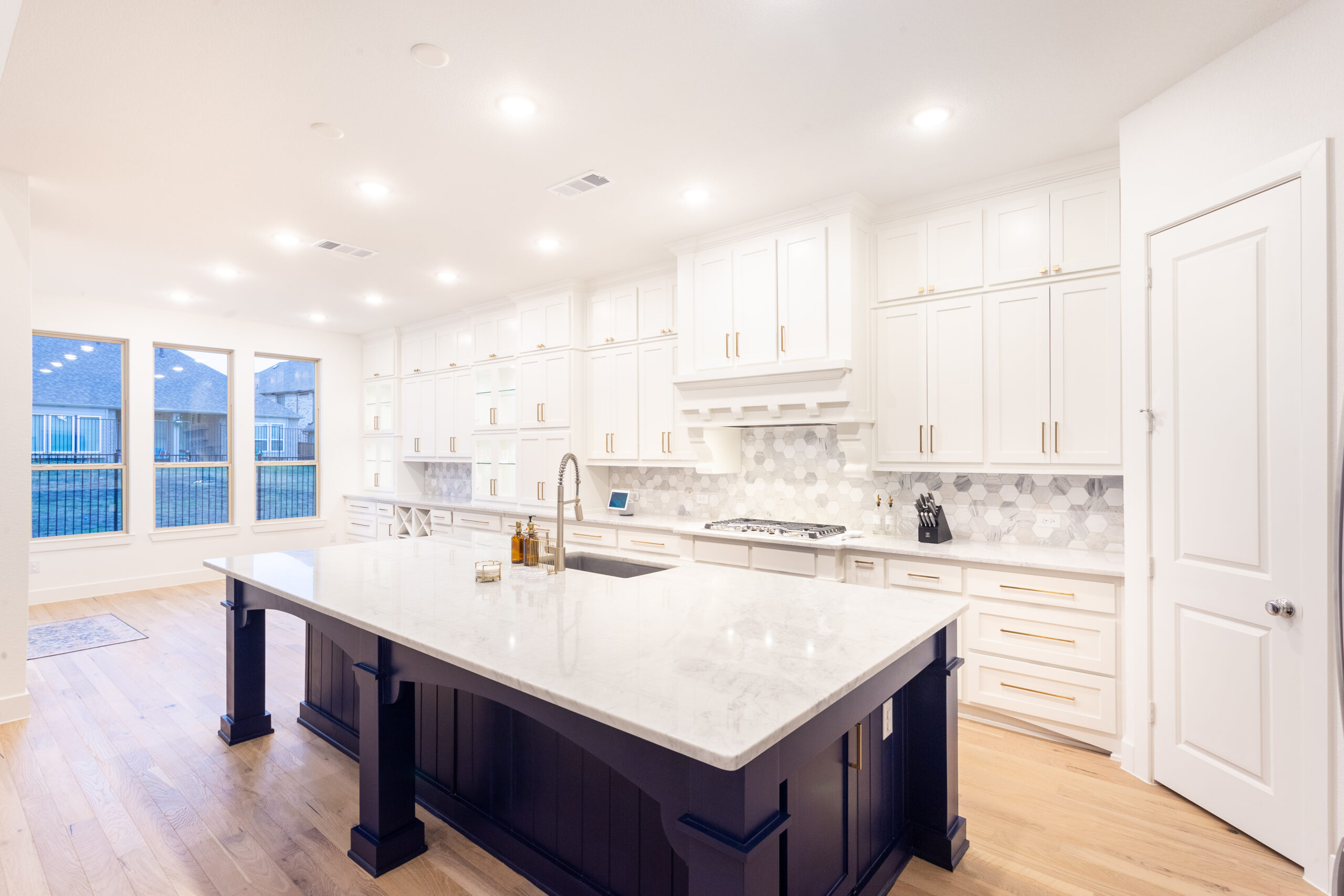
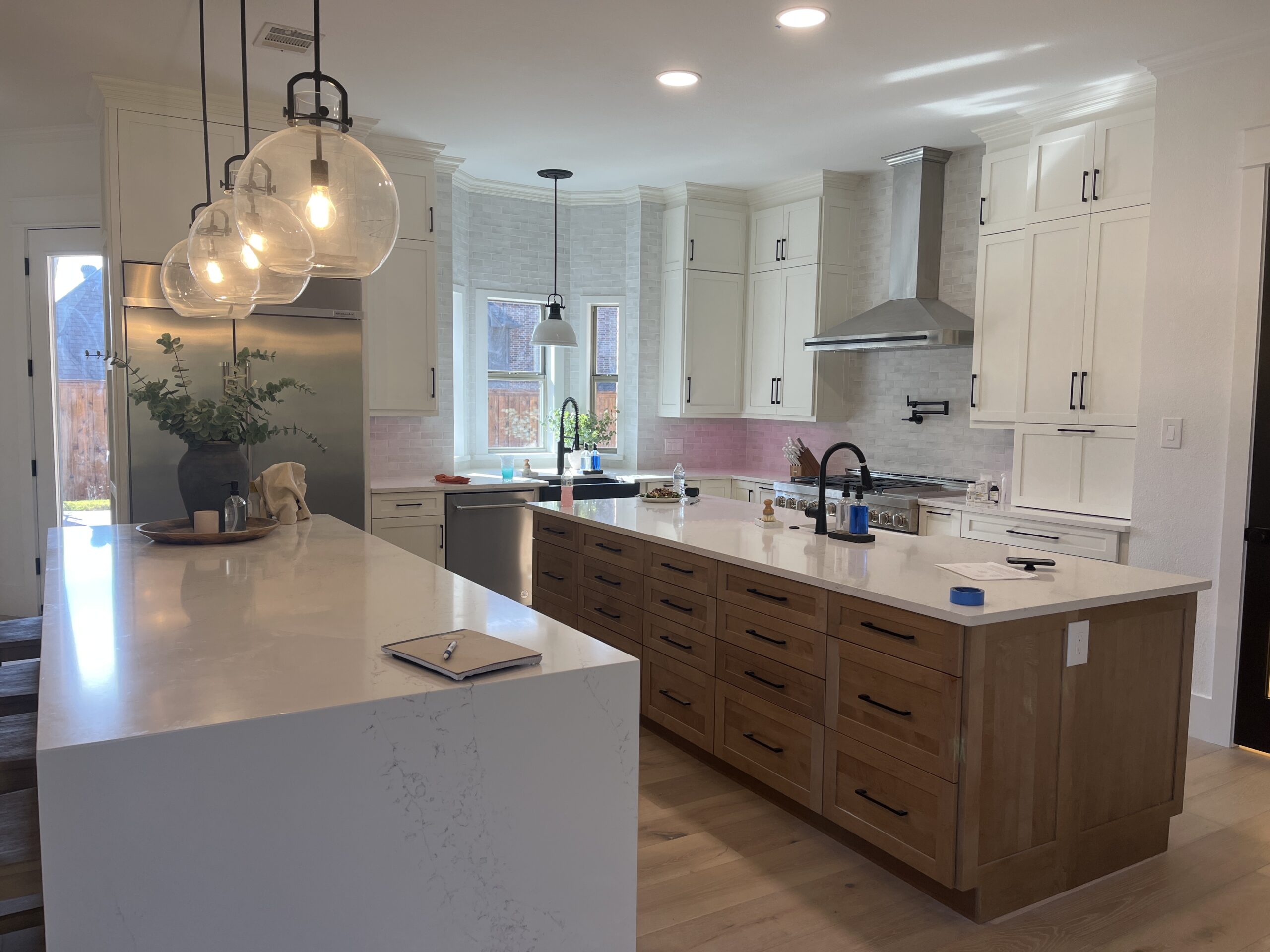
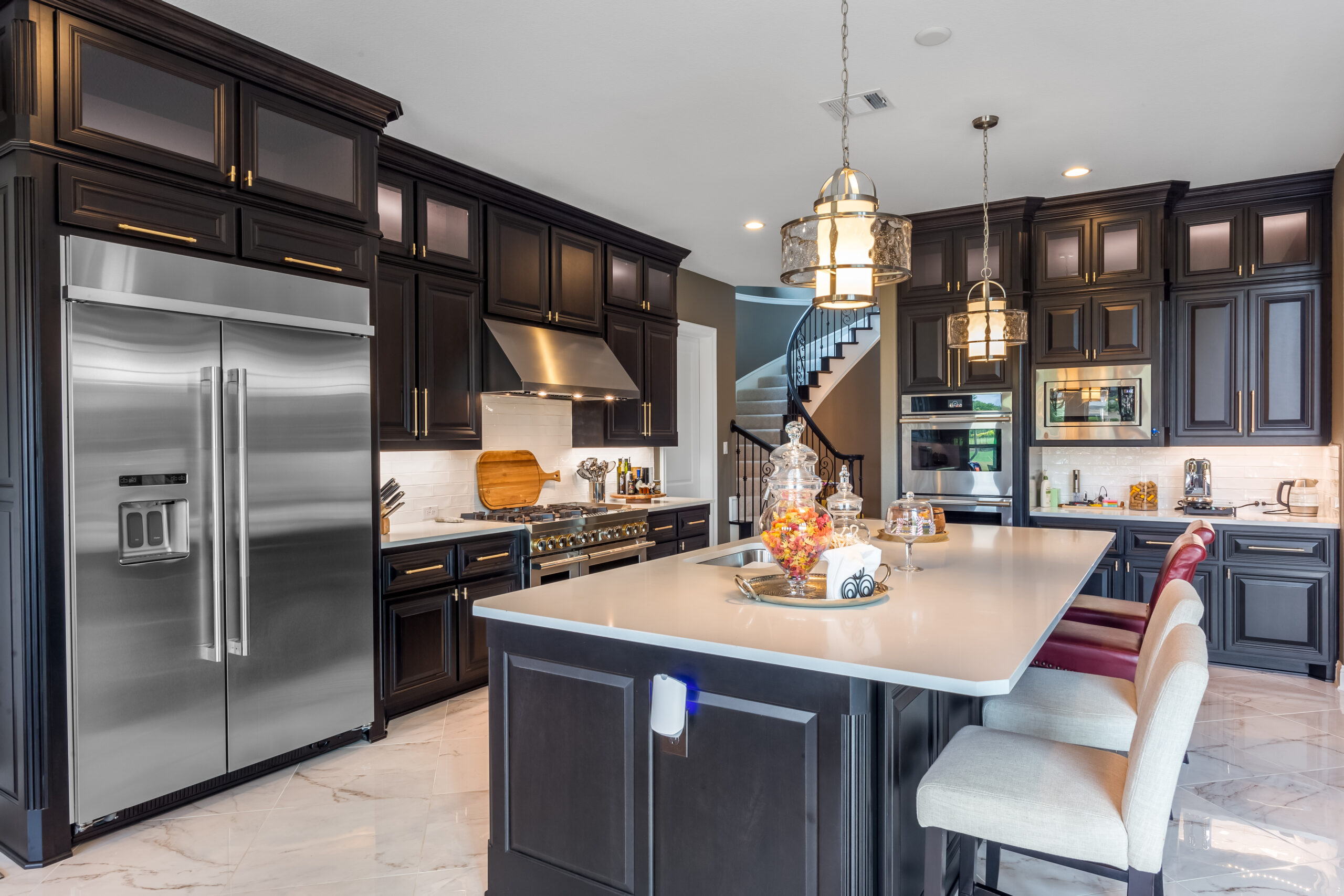
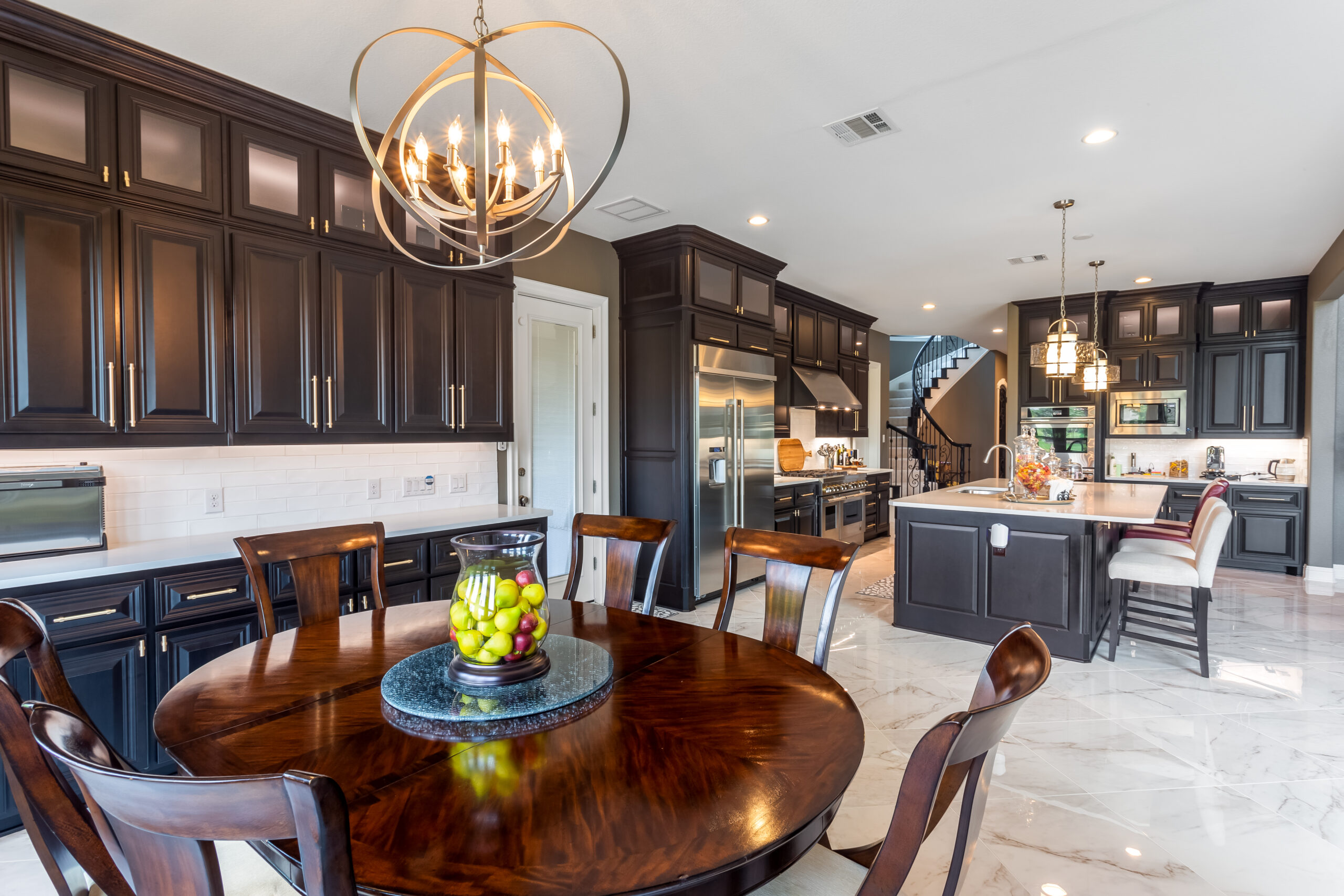
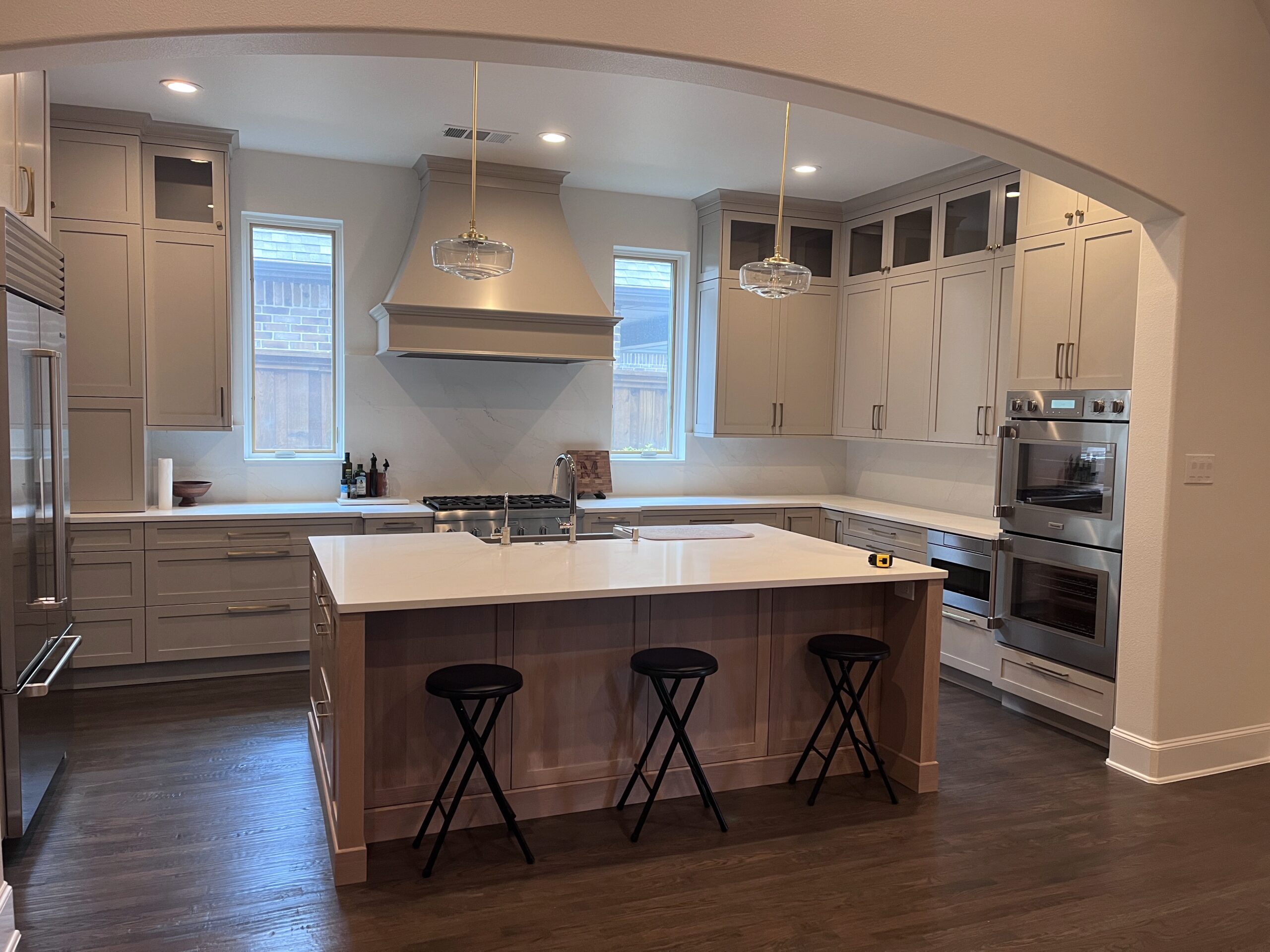
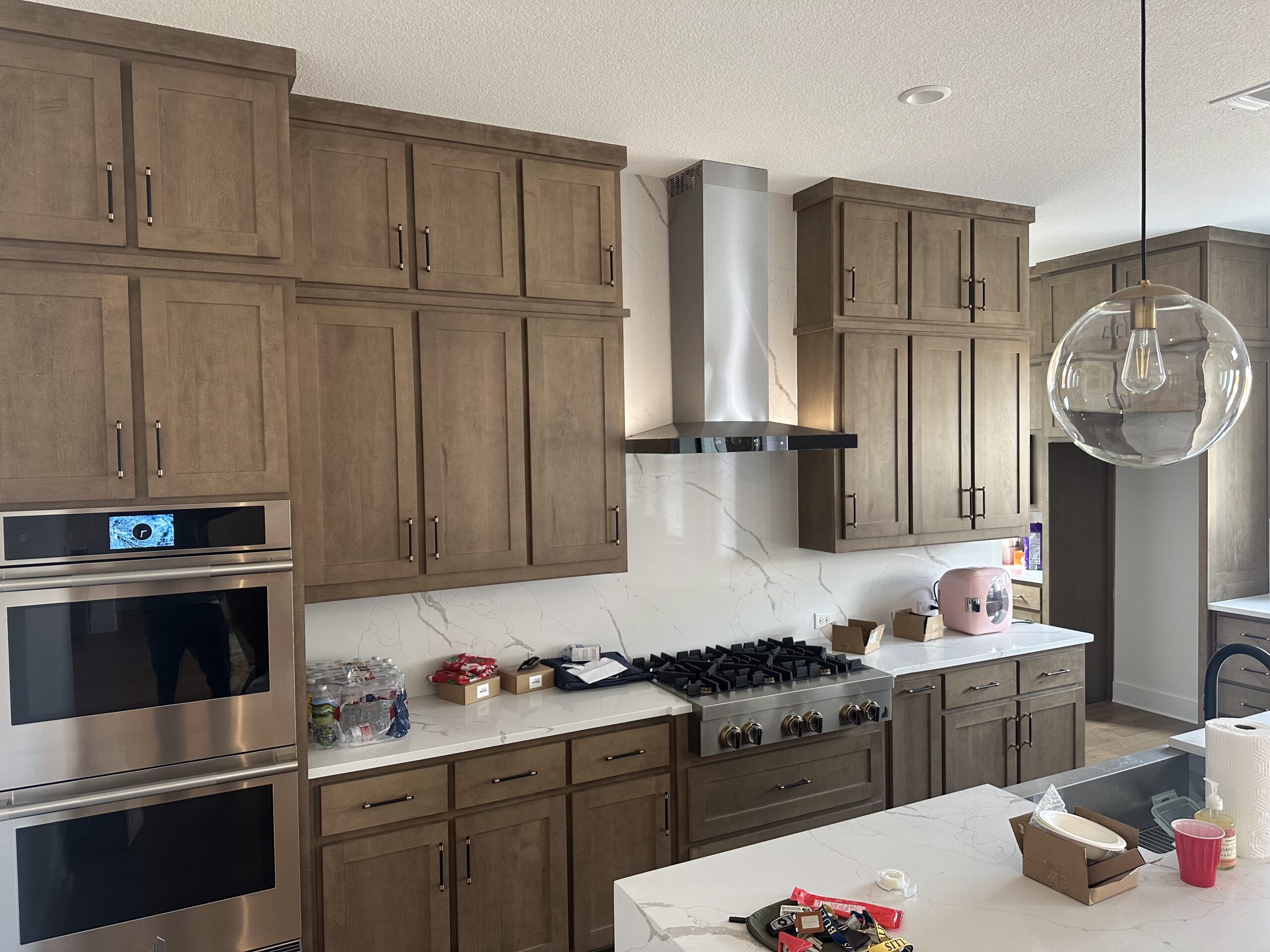
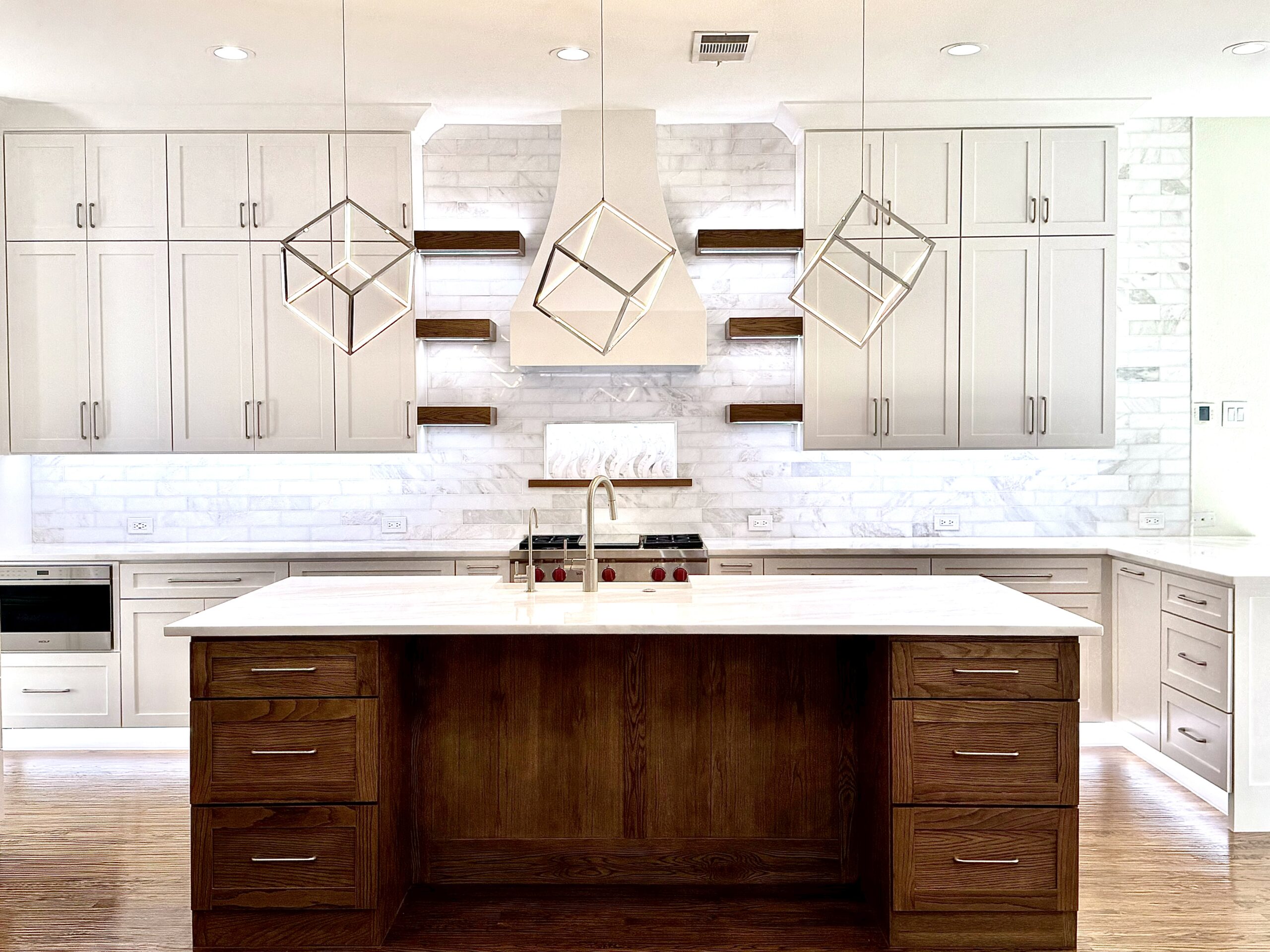
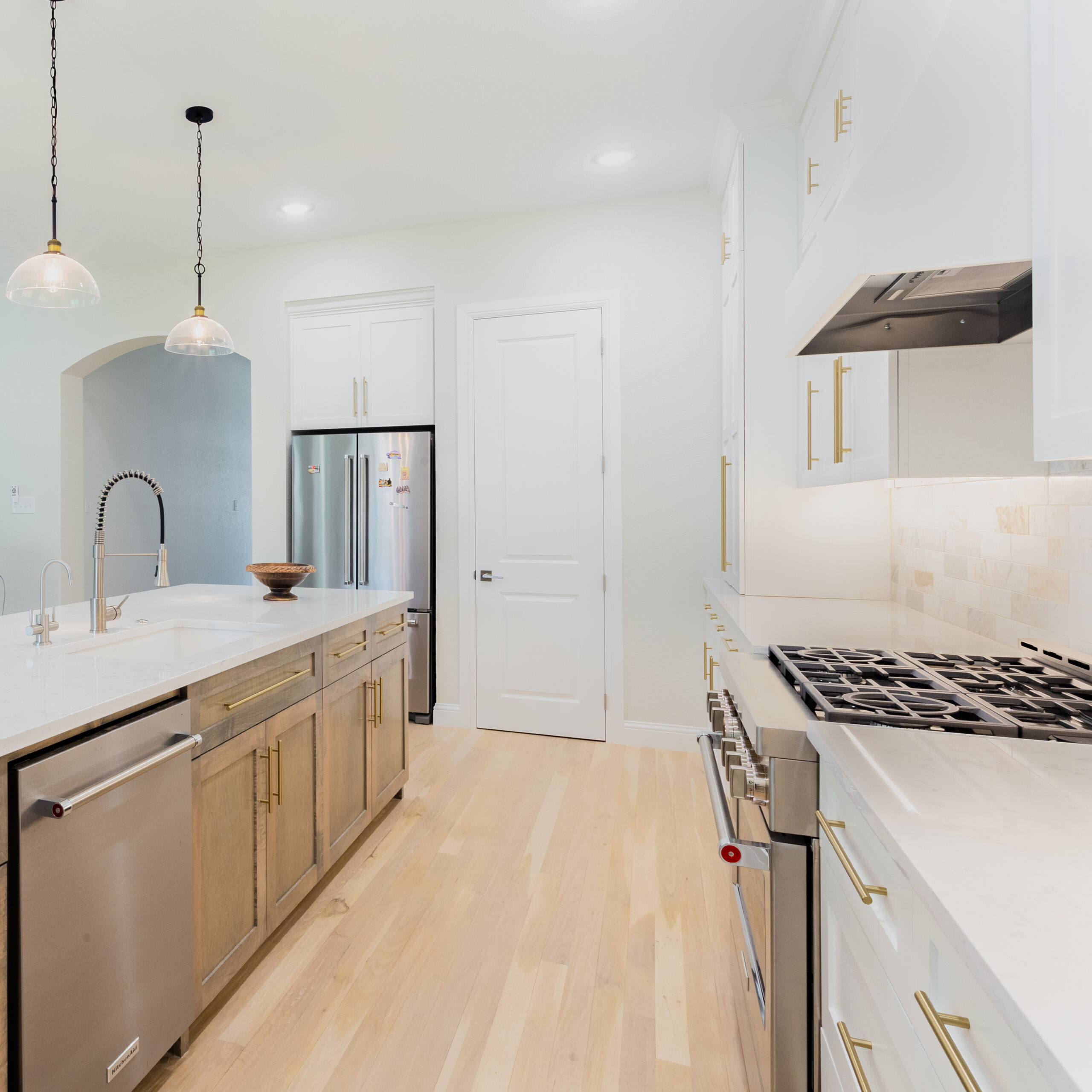
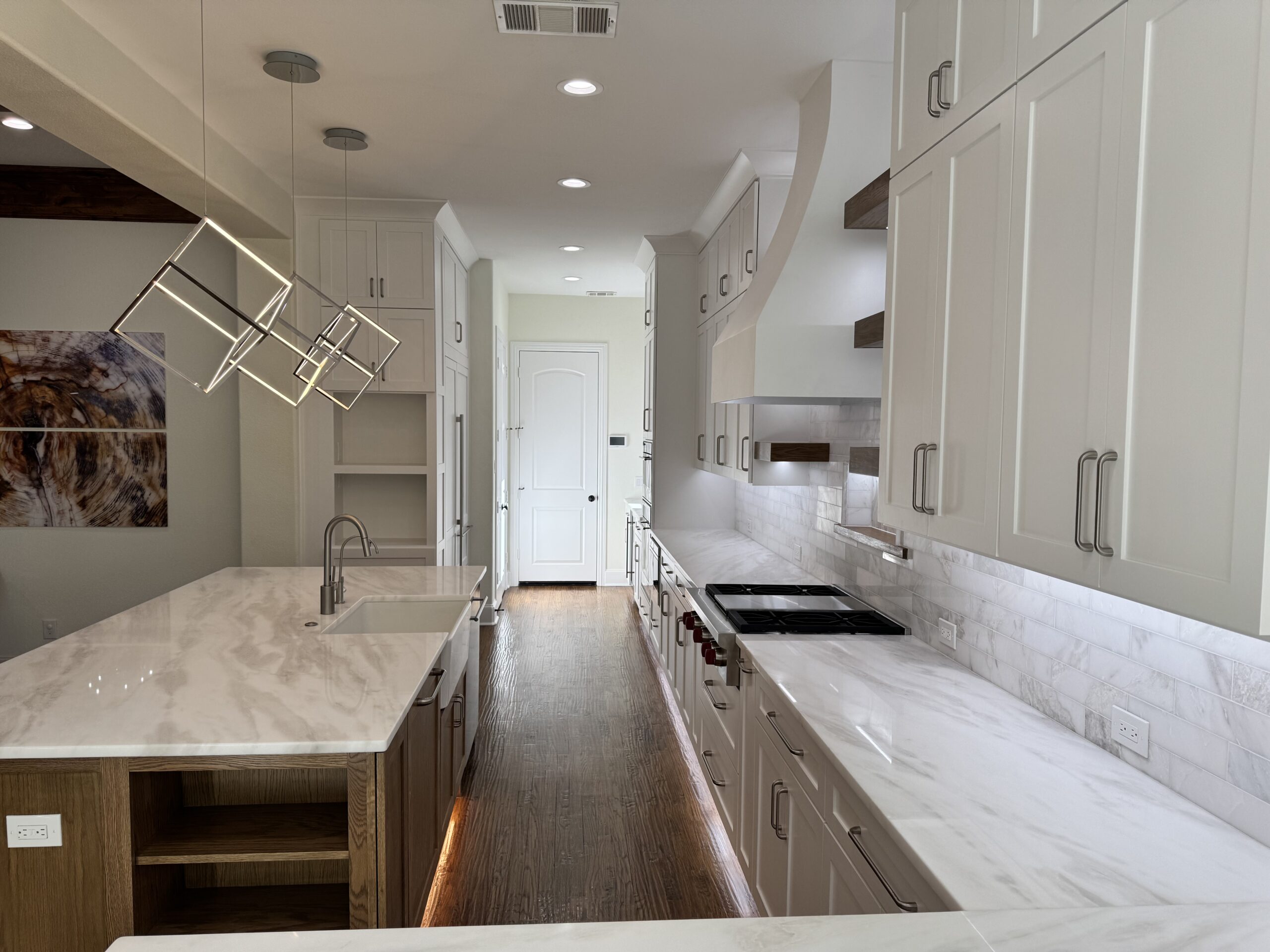
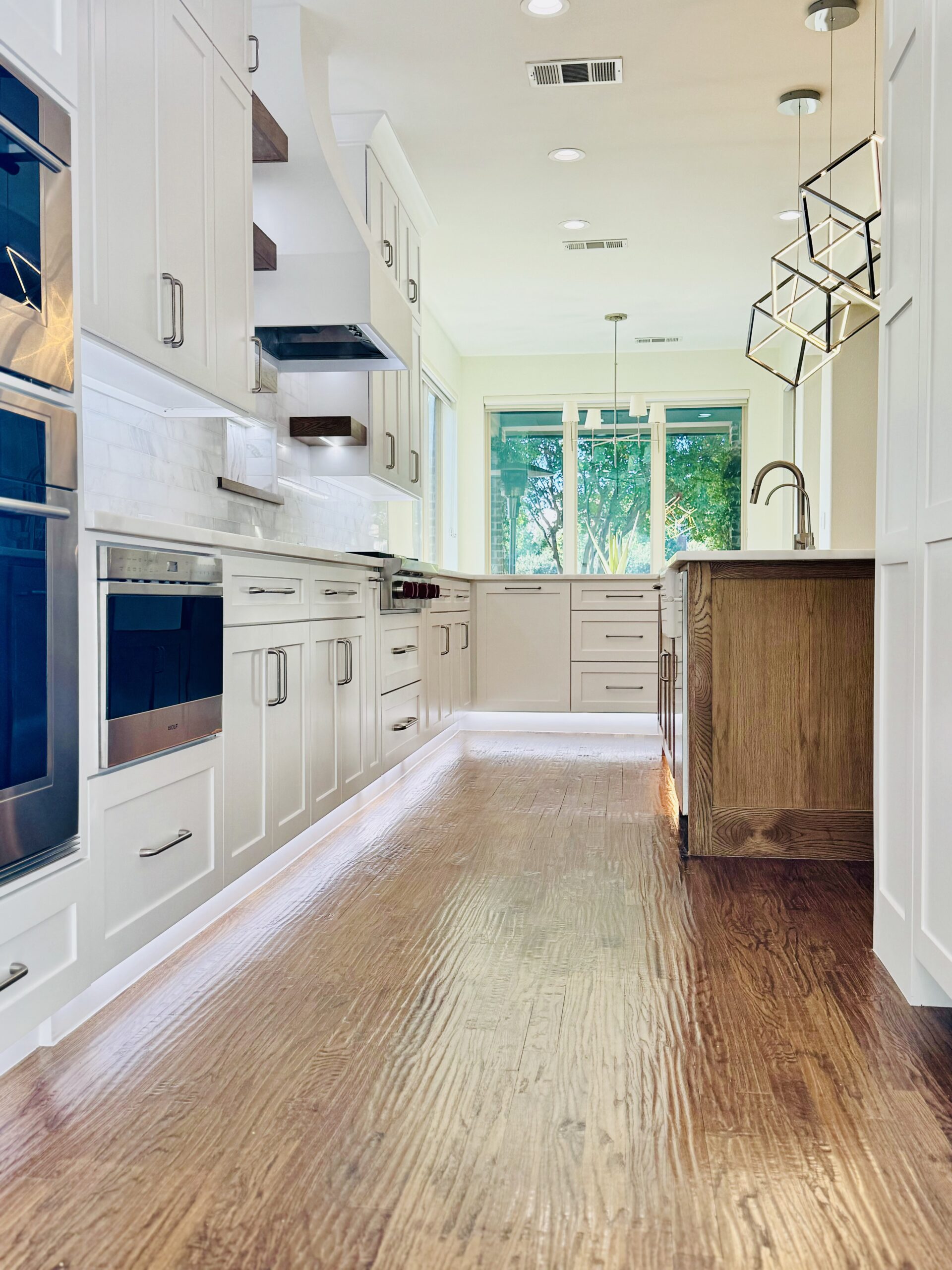
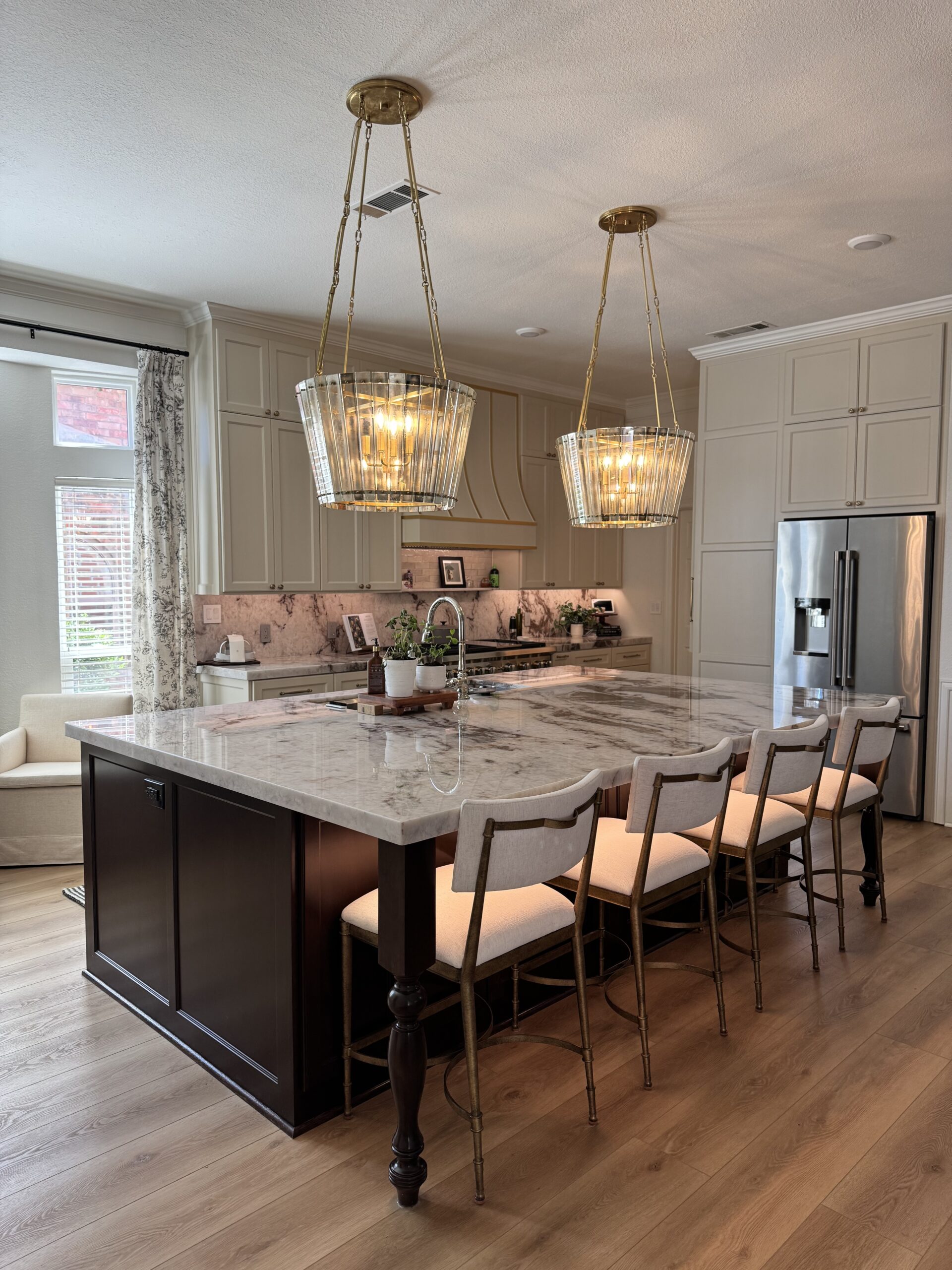
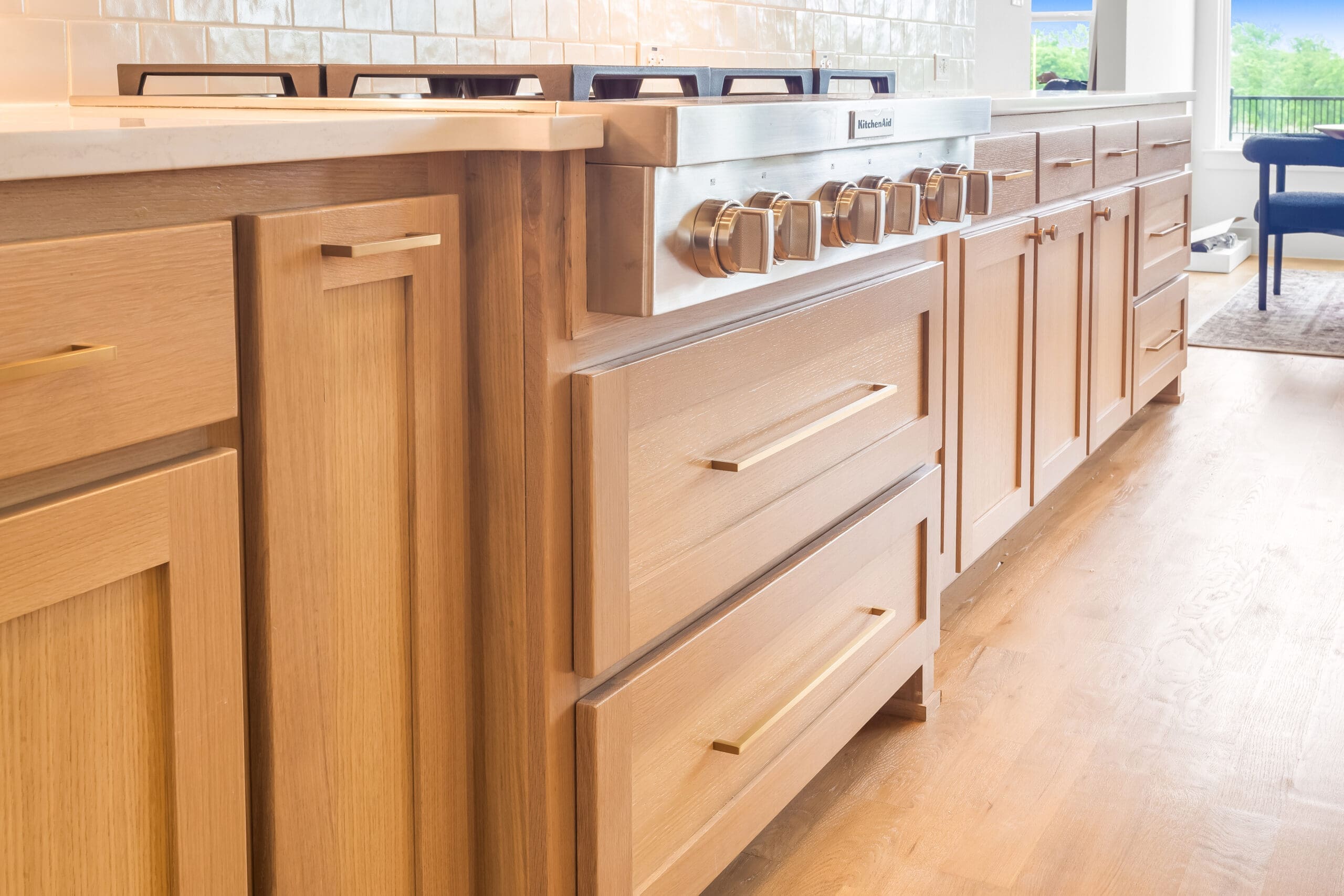
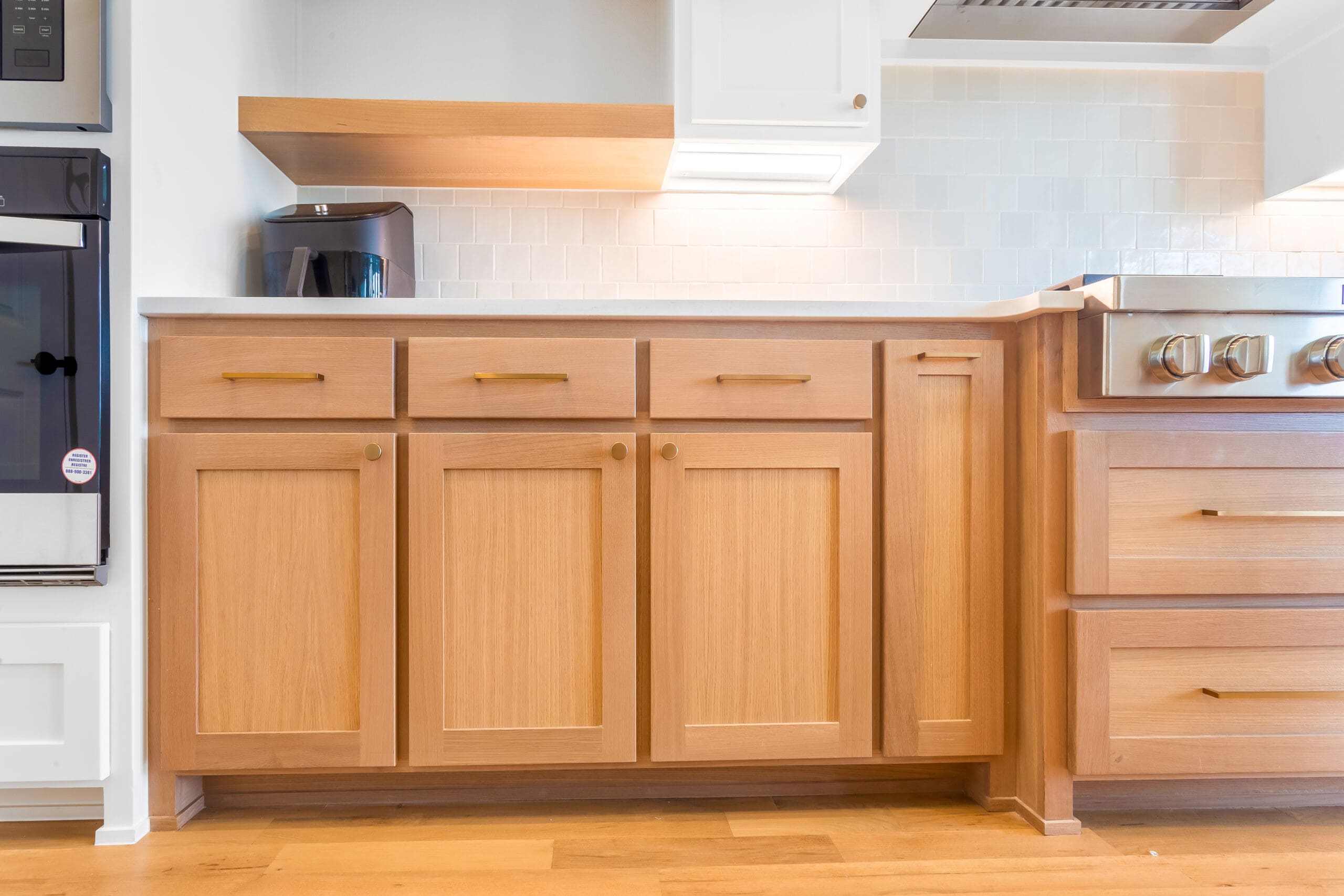
Custom cabinets are fully bespoke cabinetry built to order, created by local shops or artisans to match exact dimensions, finishes, and functional requirements; they cost more because individualized fabrication, choice wood species, and specialized joinery increase materials and labor. This approach delivers precise fit for irregular spaces, higher-end joinery methods such as dovetail drawers, and flexible integration of appliances or built-ins, which produce a premium result and long-term durability. Typical custom cabinet pricing in Frisco is driven by wood species, finish complexity, hardware quality, and shop labor rates, and homeowners can expect per-linear-foot ranges that reflect those choices. Many Frisco remodels choosing custom cabinets prioritize unique layouts or luxury materials that semi-custom lines cannot reliably reproduce. Understanding these cost drivers prepares you to assess quotes and set realistic budgets for a full kitchen remodel.
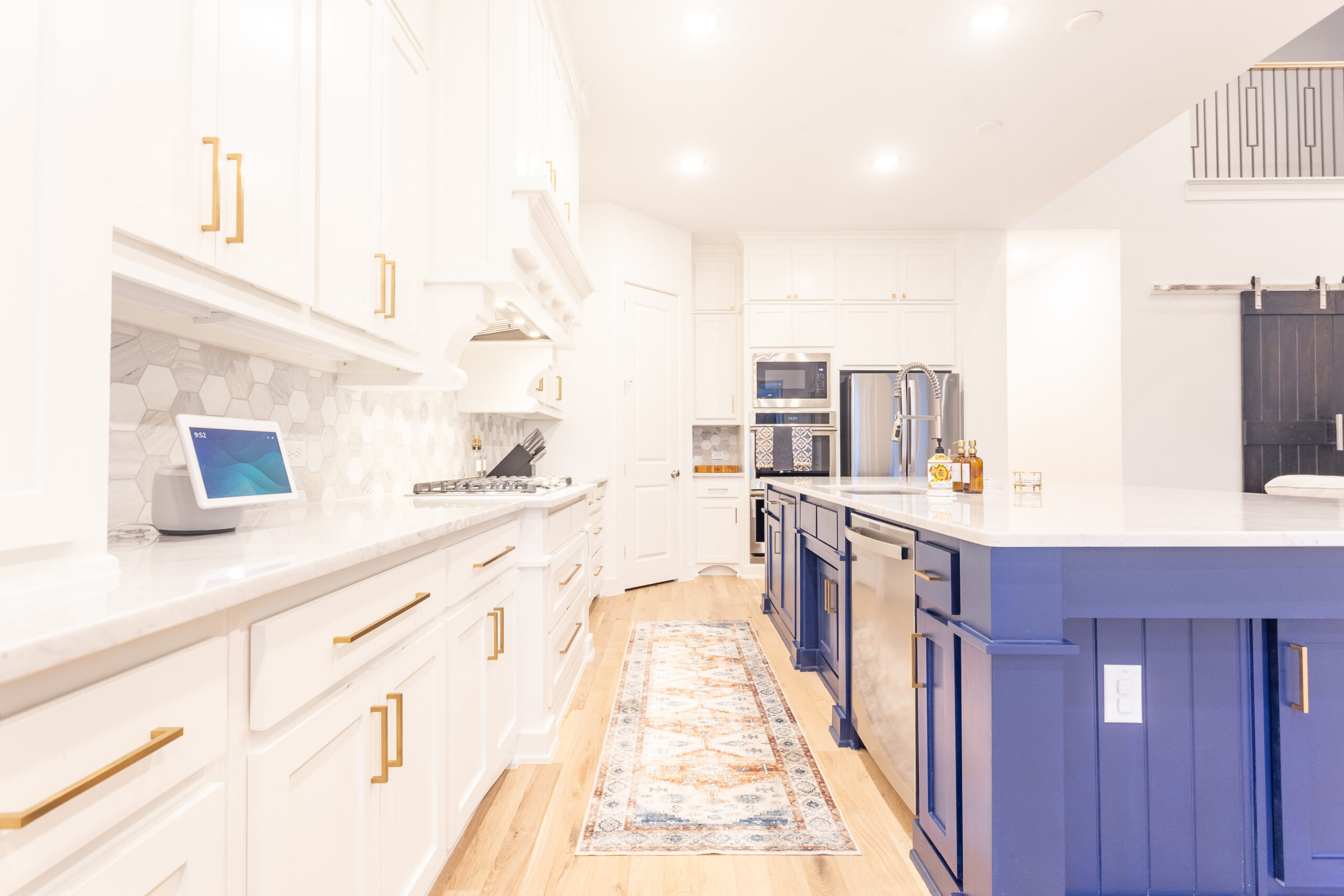
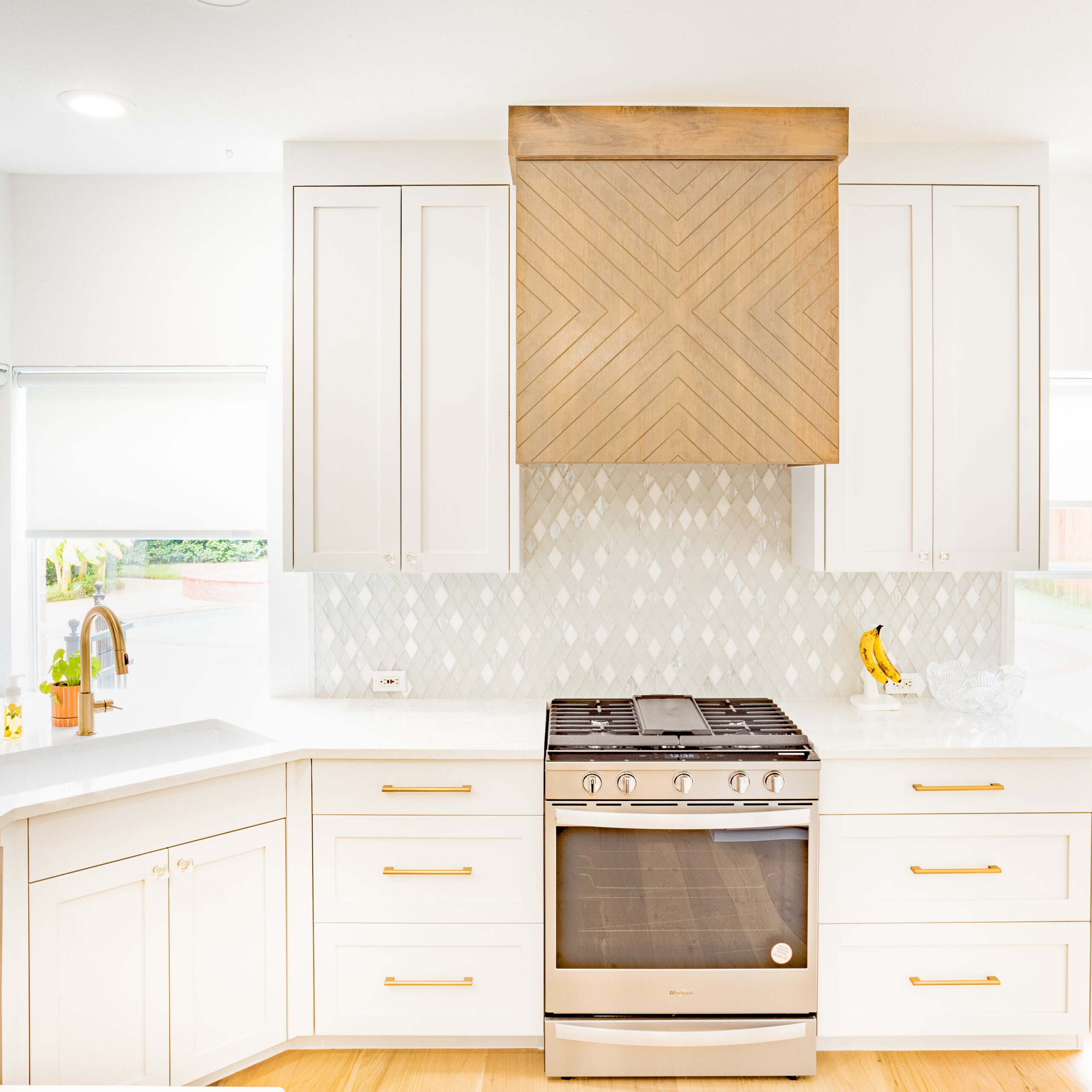
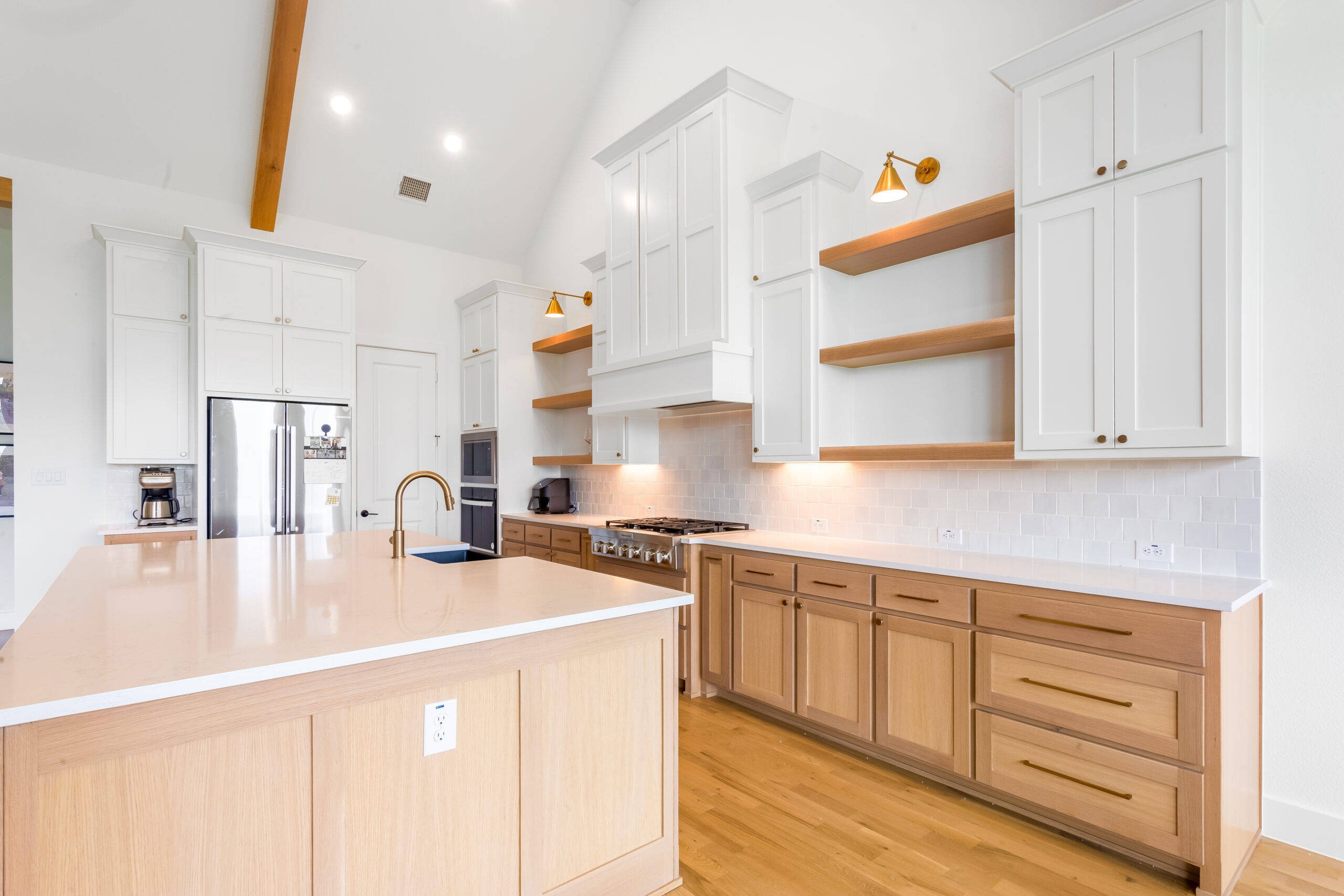
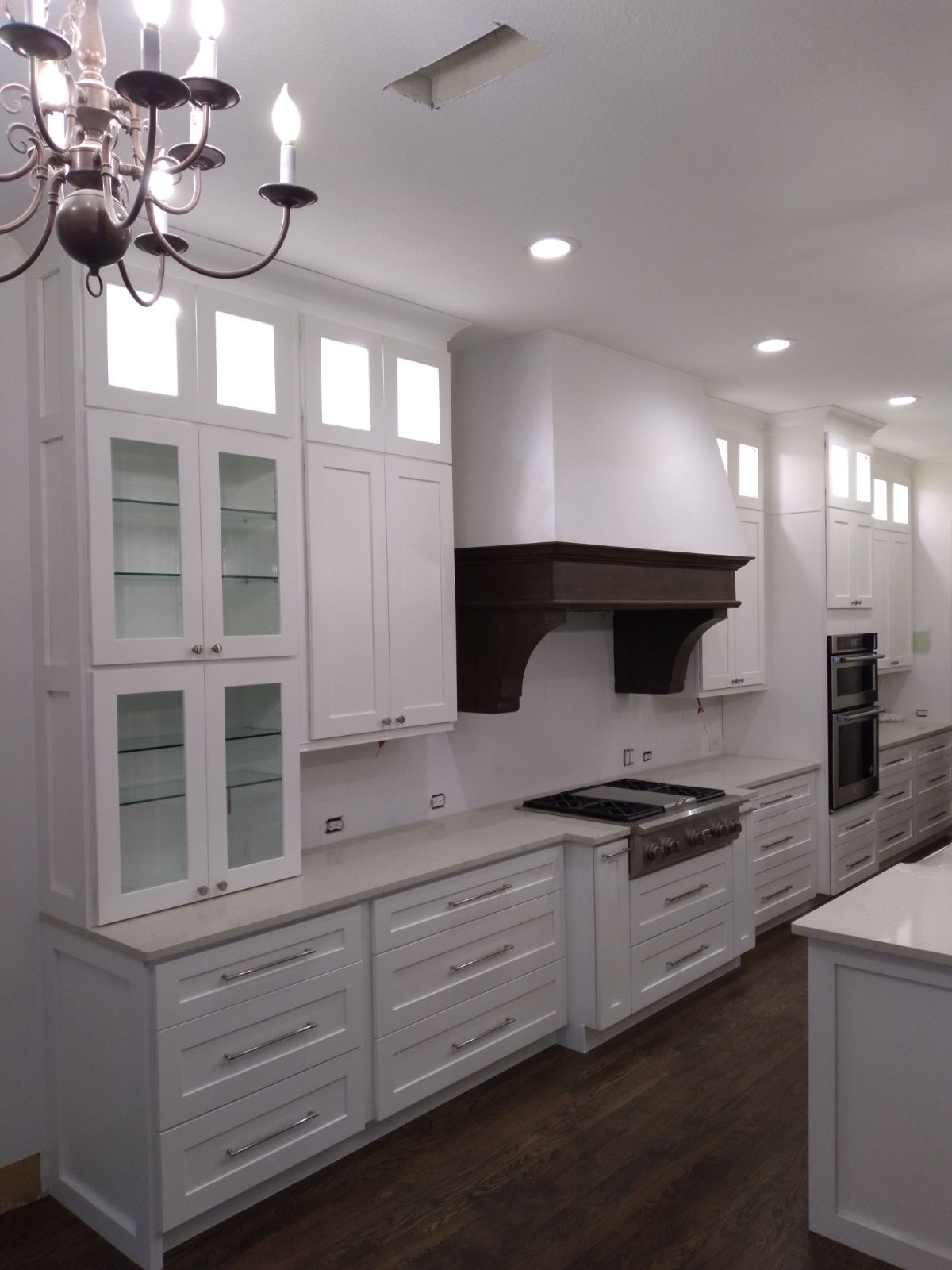
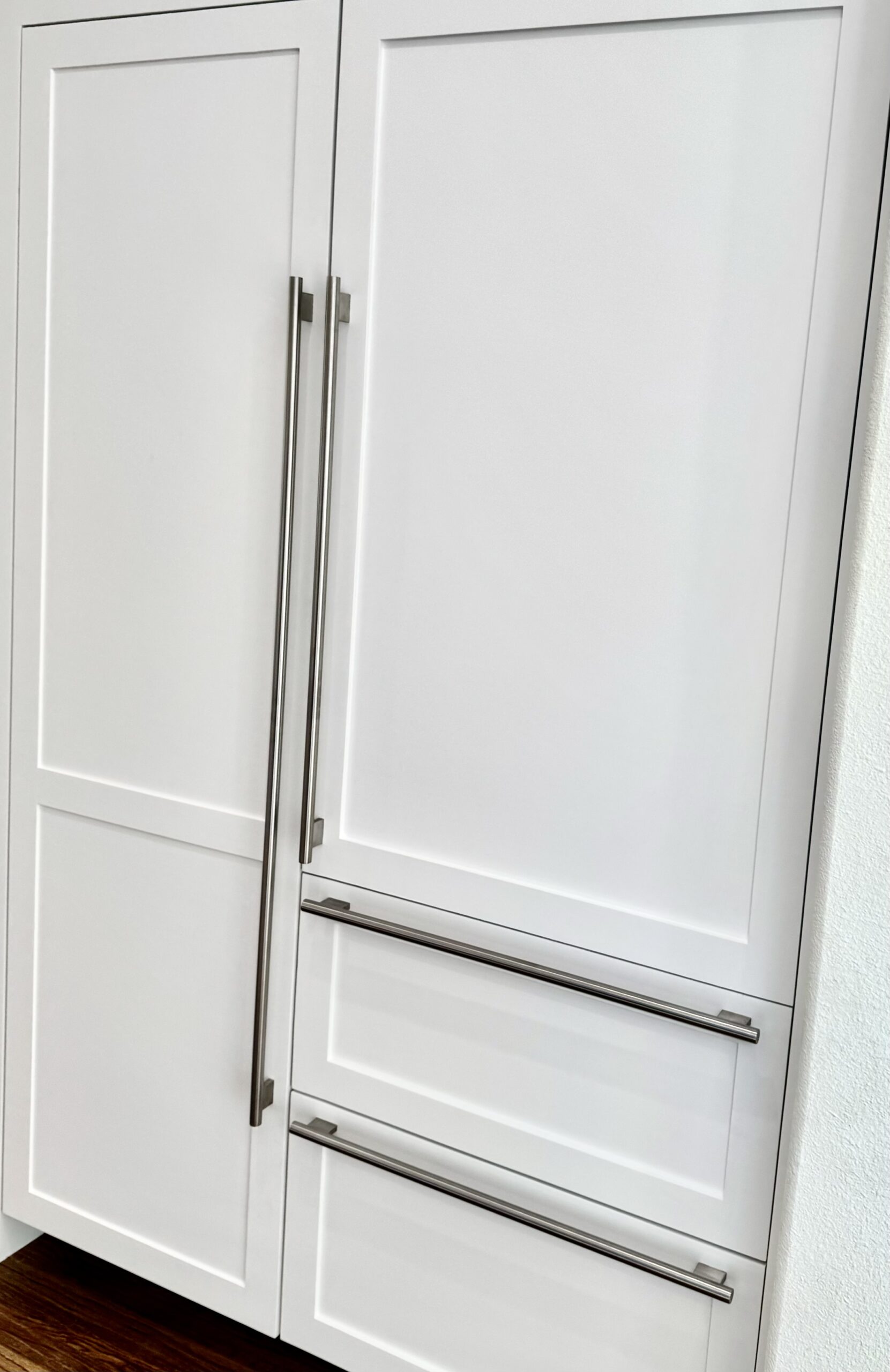
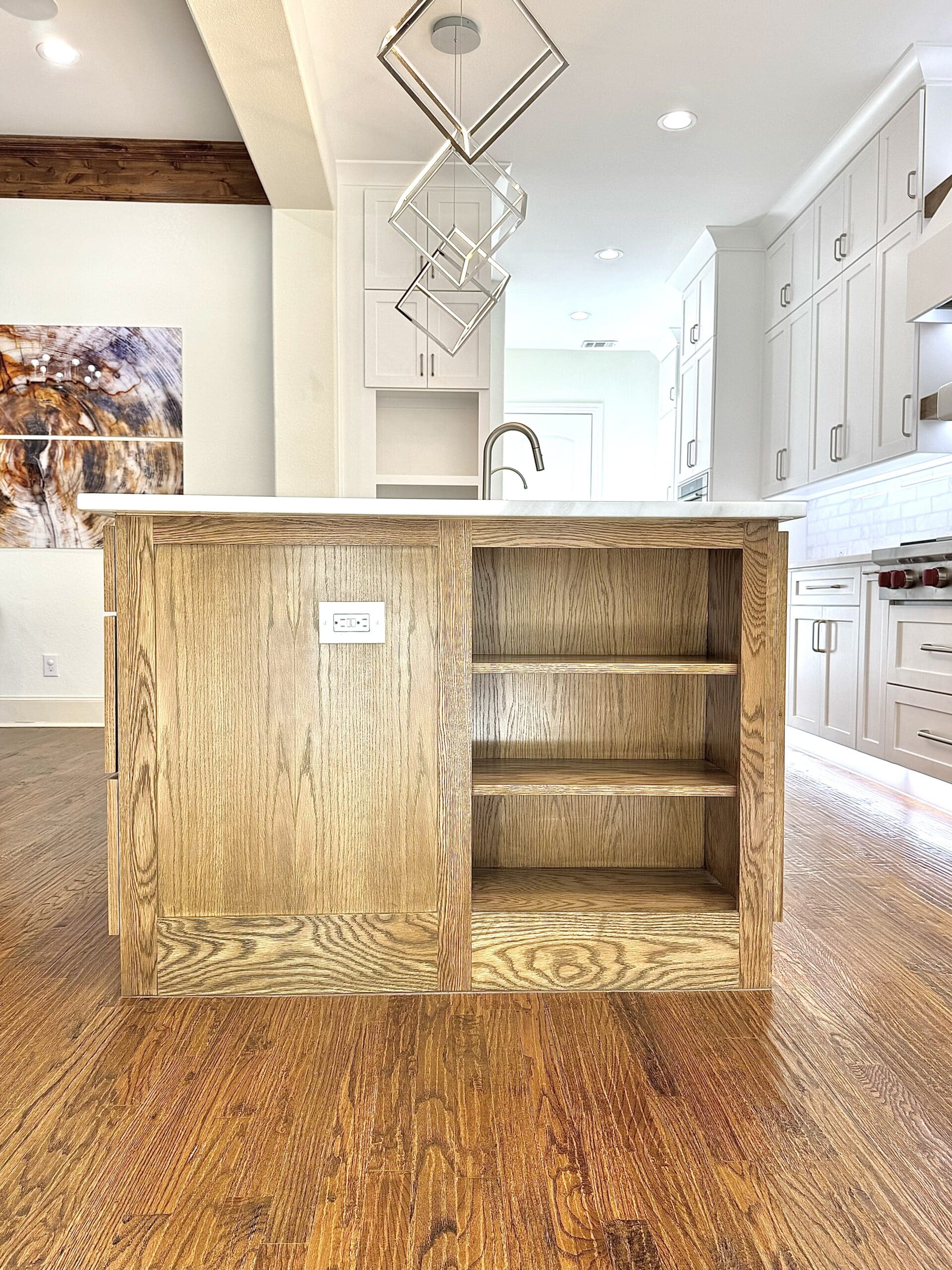
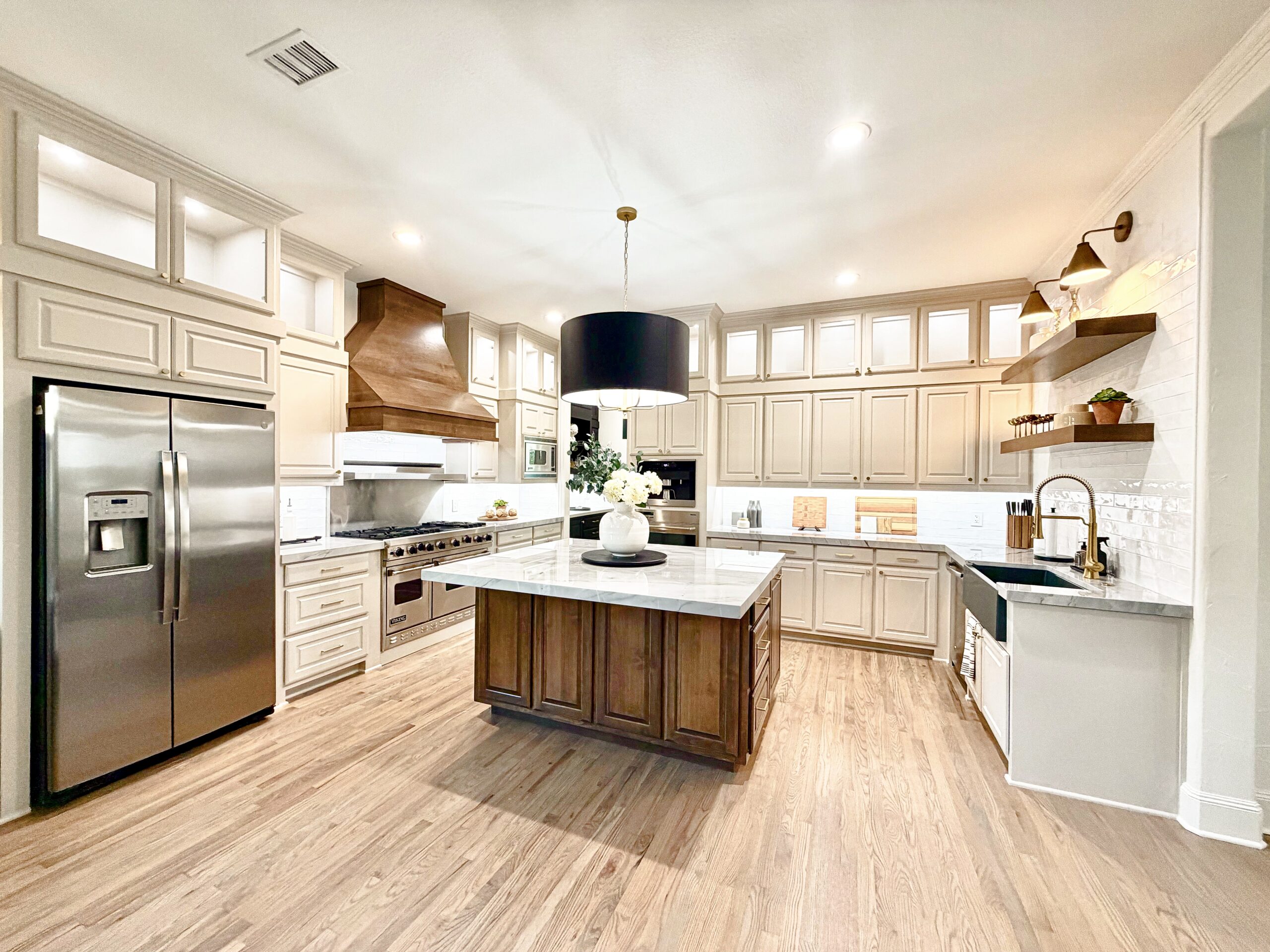
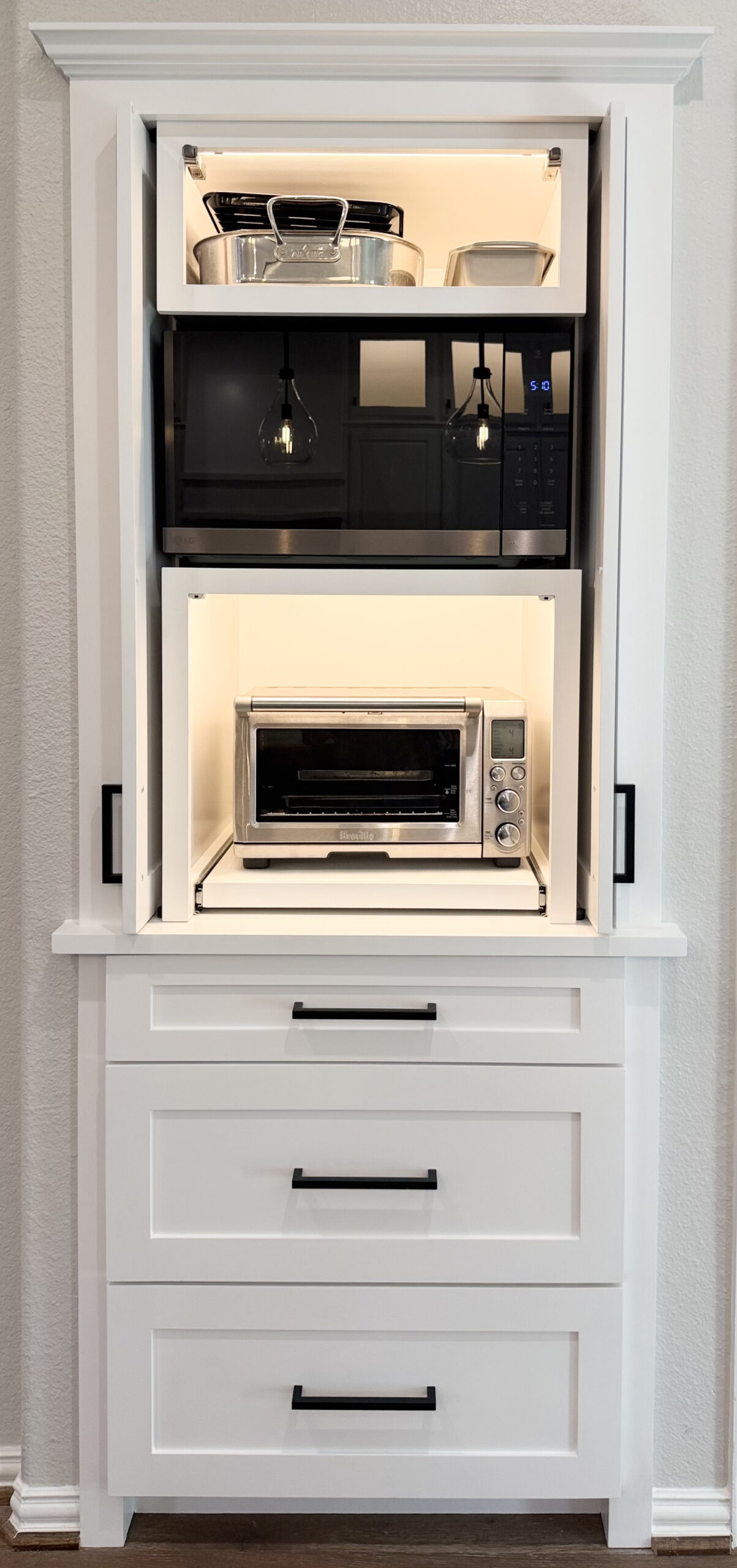
Custom cabinetry offers the broadest palette of wood species, construction techniques, and tailored features, and that flexibility directly influences price. Common solid wood species used in custom work include maple, cherry, and oak, each carrying a different cost-per-linear-foot; higher-end species and oversized panels increase material spend and fabrication time. Bespoke features—integrated spice drawers, appliance panels, custom mullions, and specialty dovetailed drawers—require more shop hours and skilled labor, adding to the total project cost but producing higher utility and perceived luxury. Finishes for custom cabinets can include multi-step painted finishes, hand-rubbed stains, or specialty coatings that add both aesthetic value and expense. These material and feature choices explain why custom cabinetry is the preferred path for homeowners seeking a unique, durable result, and they naturally lead into lead-time considerations for production and installation.
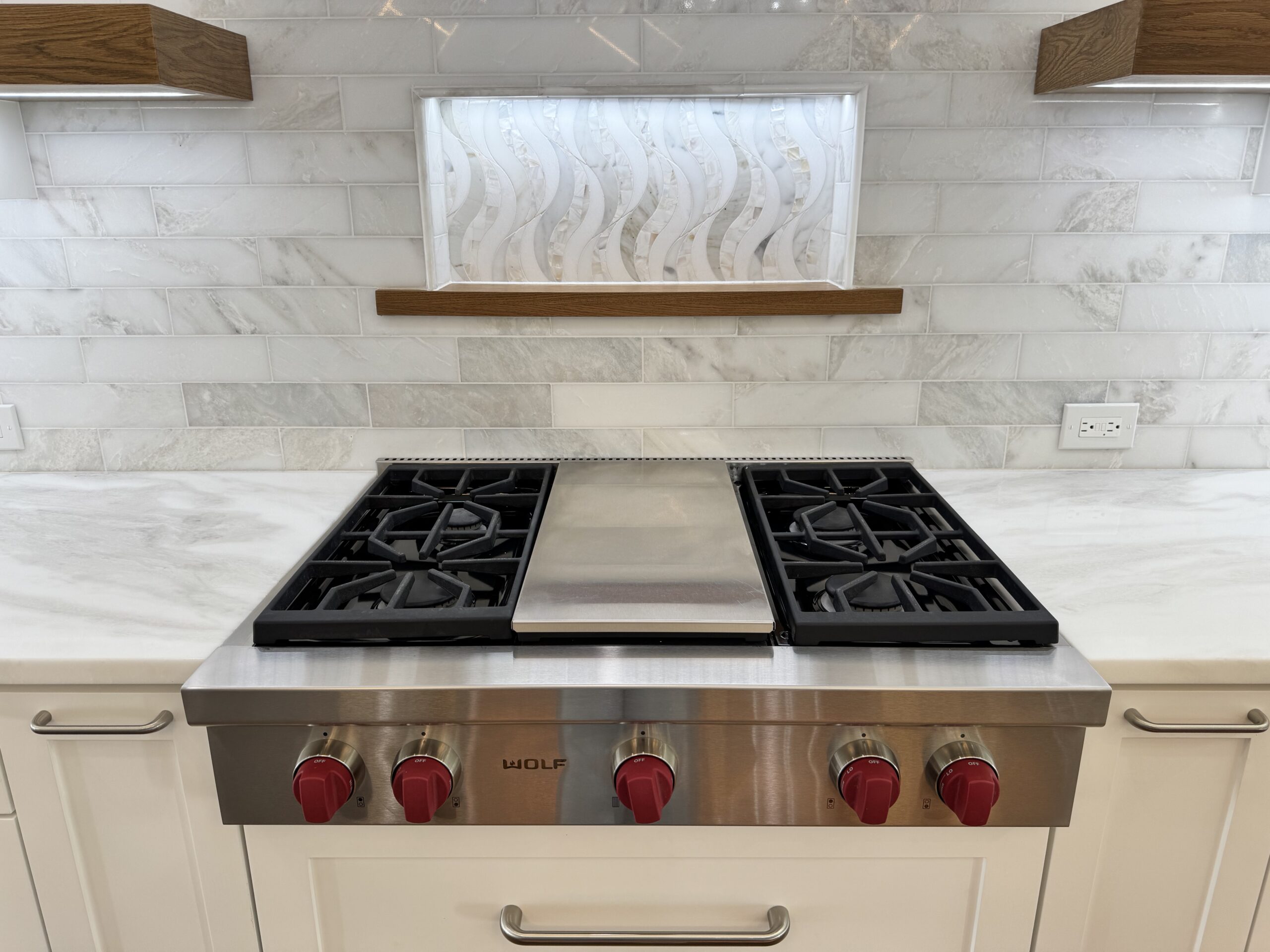
Lead time for custom cabinets typically spans fabrication and scheduling windows, and longer or expedited timelines influence pricing through rush fees, staging needs, or storage costs. Standard turnaround for custom builds in many markets can be several weeks to a few months depending on shop backlog, complexity, and finish curing times; when a homeowner requests expedited delivery, shops often apply a premium to compensate for overtime, subcontracted labor, or reprioritization. Scheduling complexity—coordinating demolition, plumbing, and delivery—may introduce holding costs or require partial installs that increase labor hours, so careful timeline planning reduces unexpected fees. Knowing typical lead times and negotiating realistic delivery windows with your cabinetmaker helps you avoid rush charges and aligns expectations with your remodel calendar.
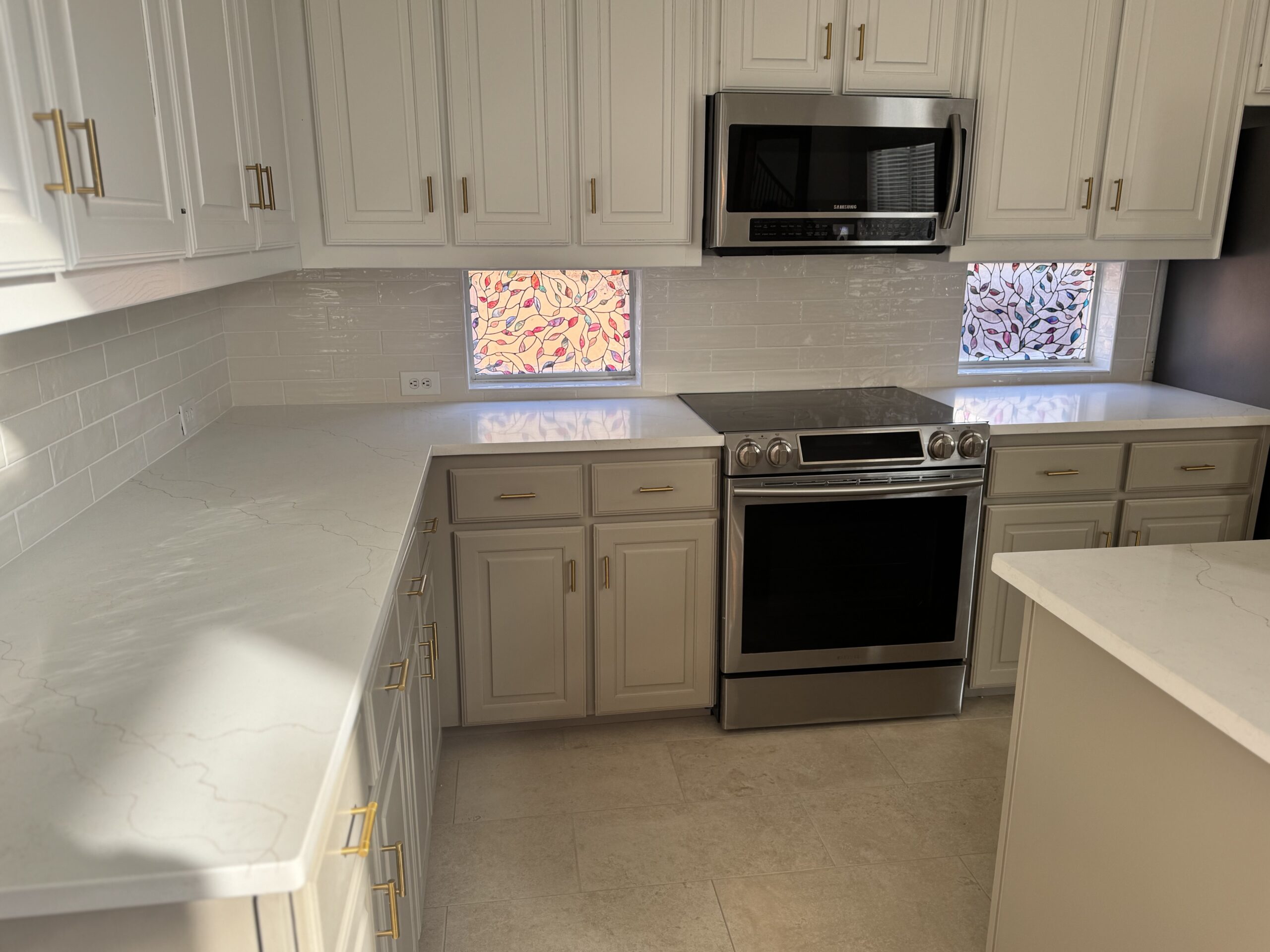
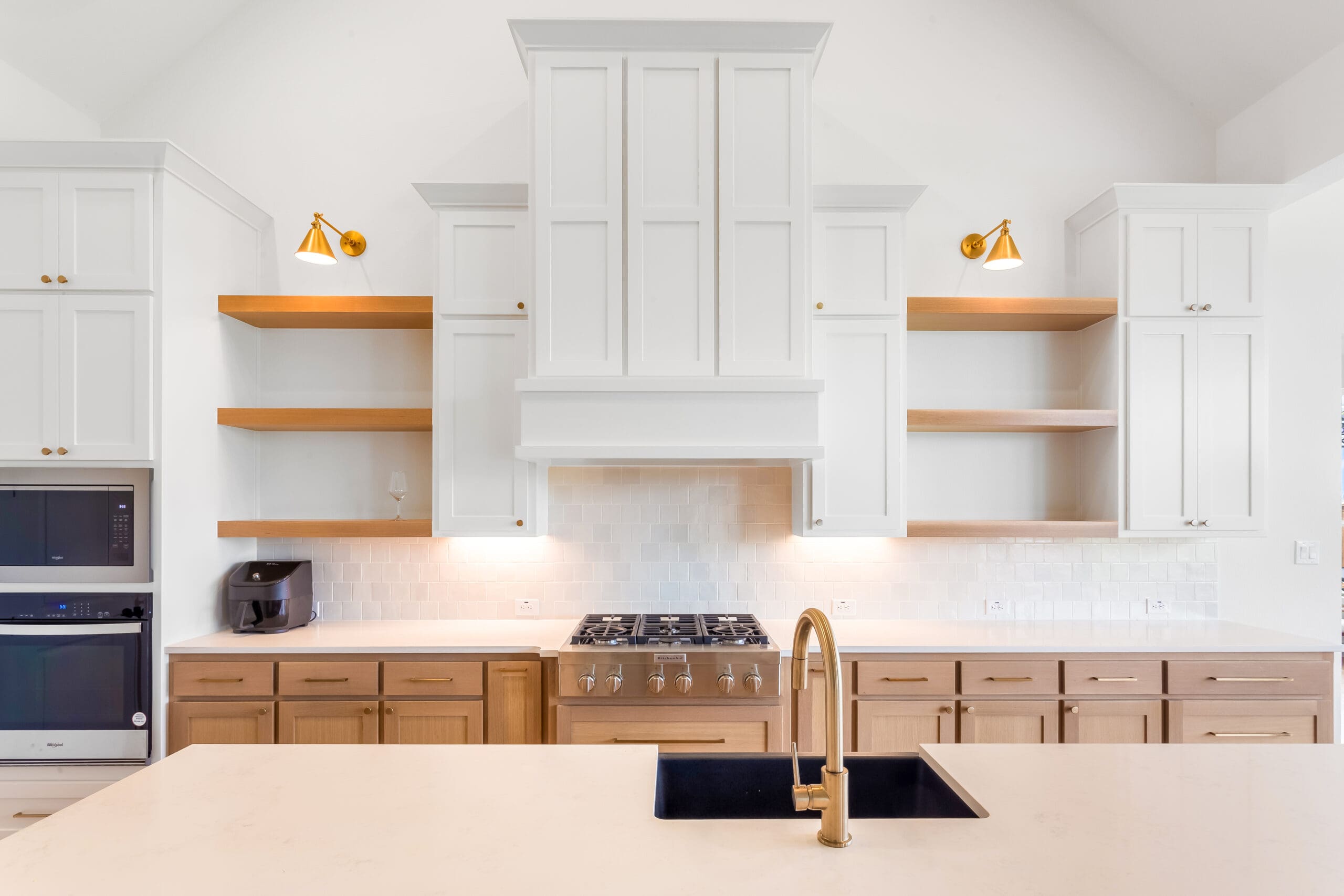
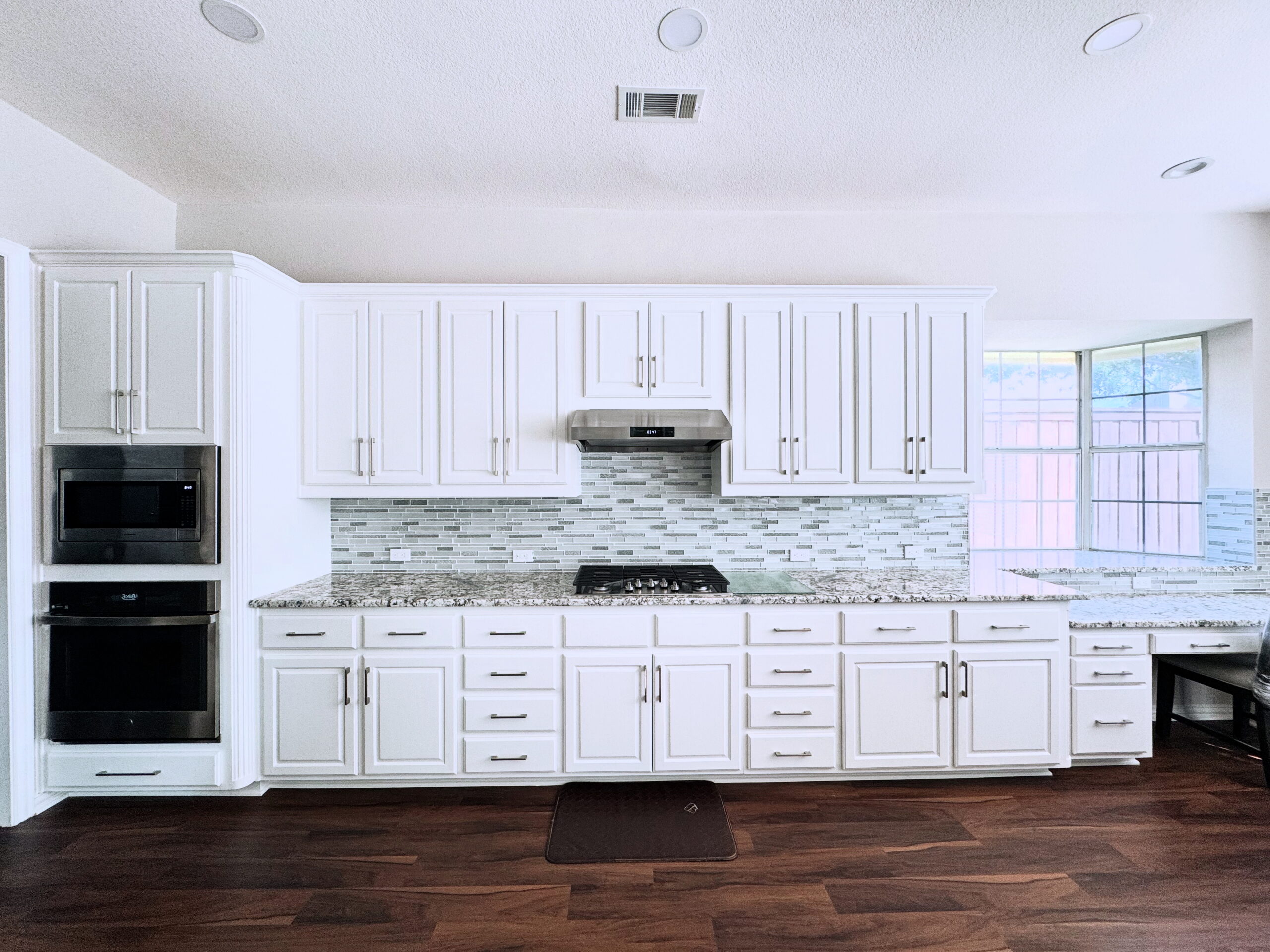
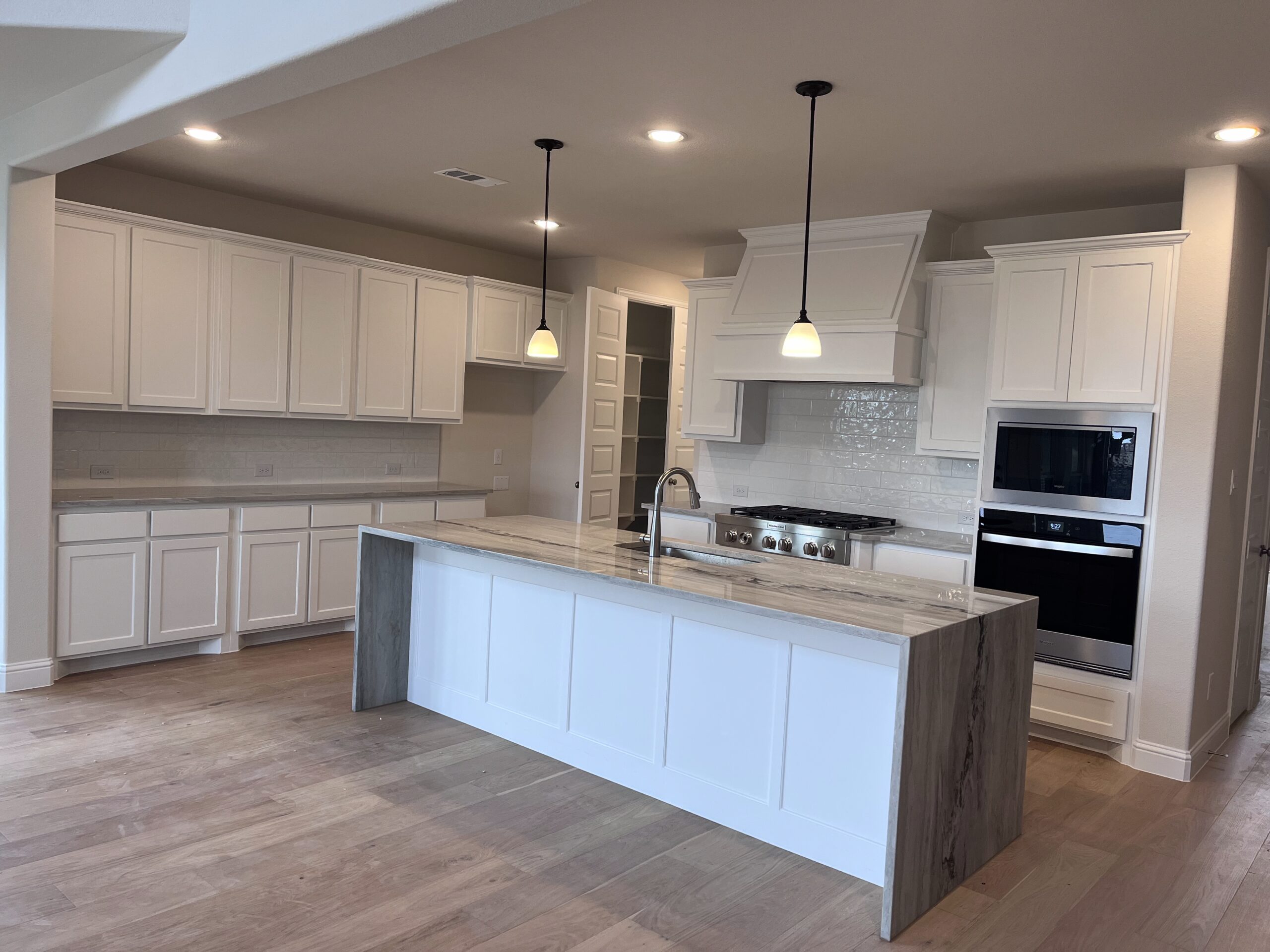
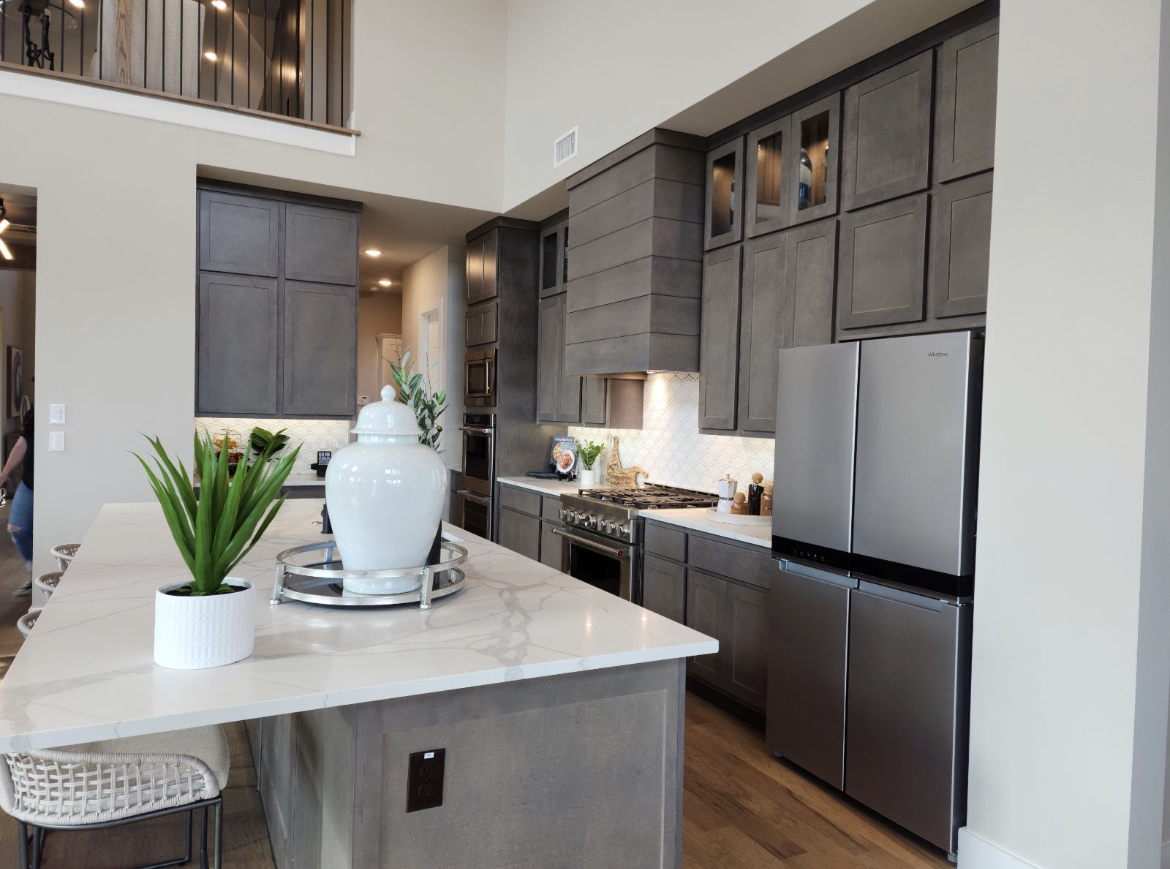
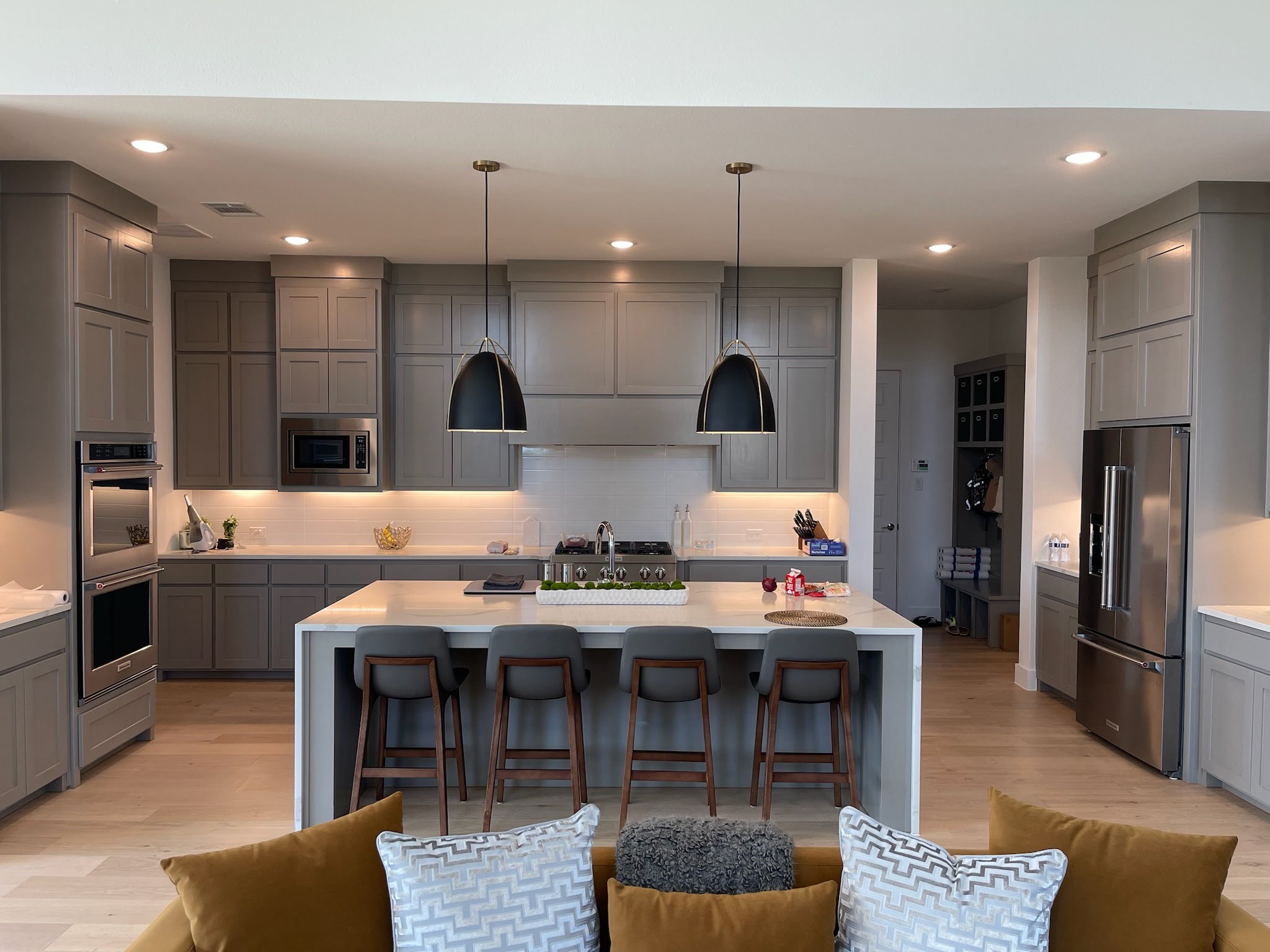
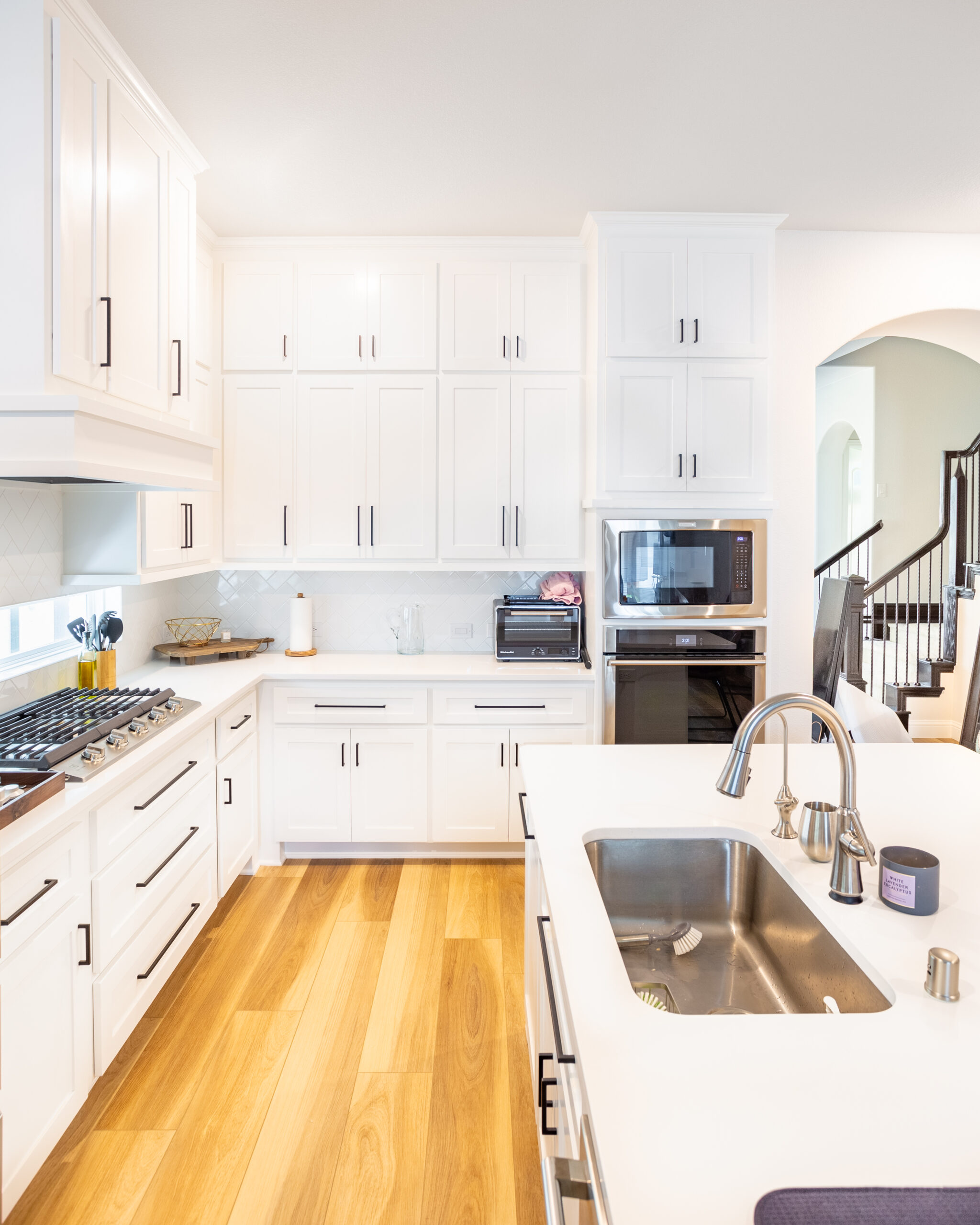
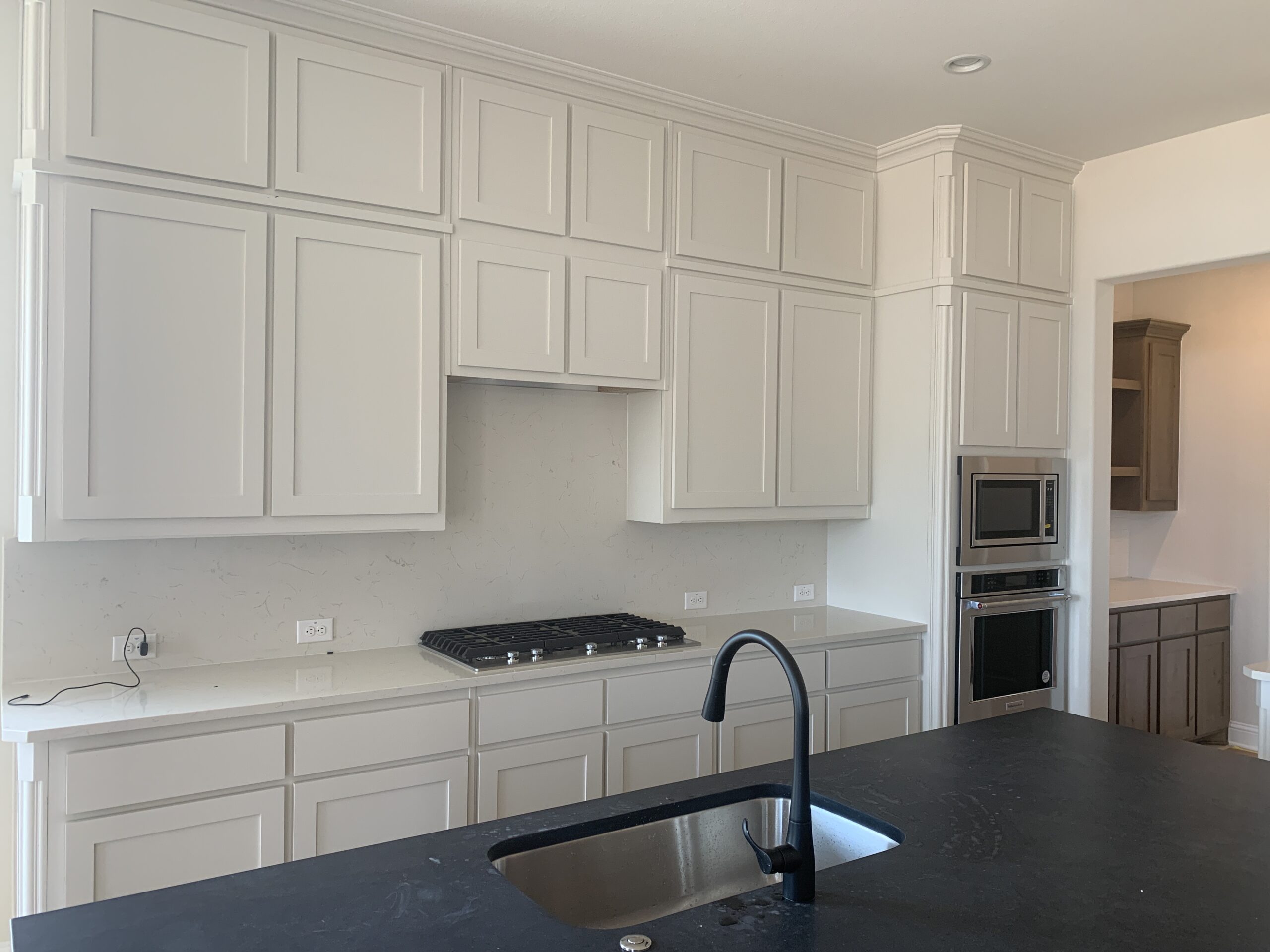
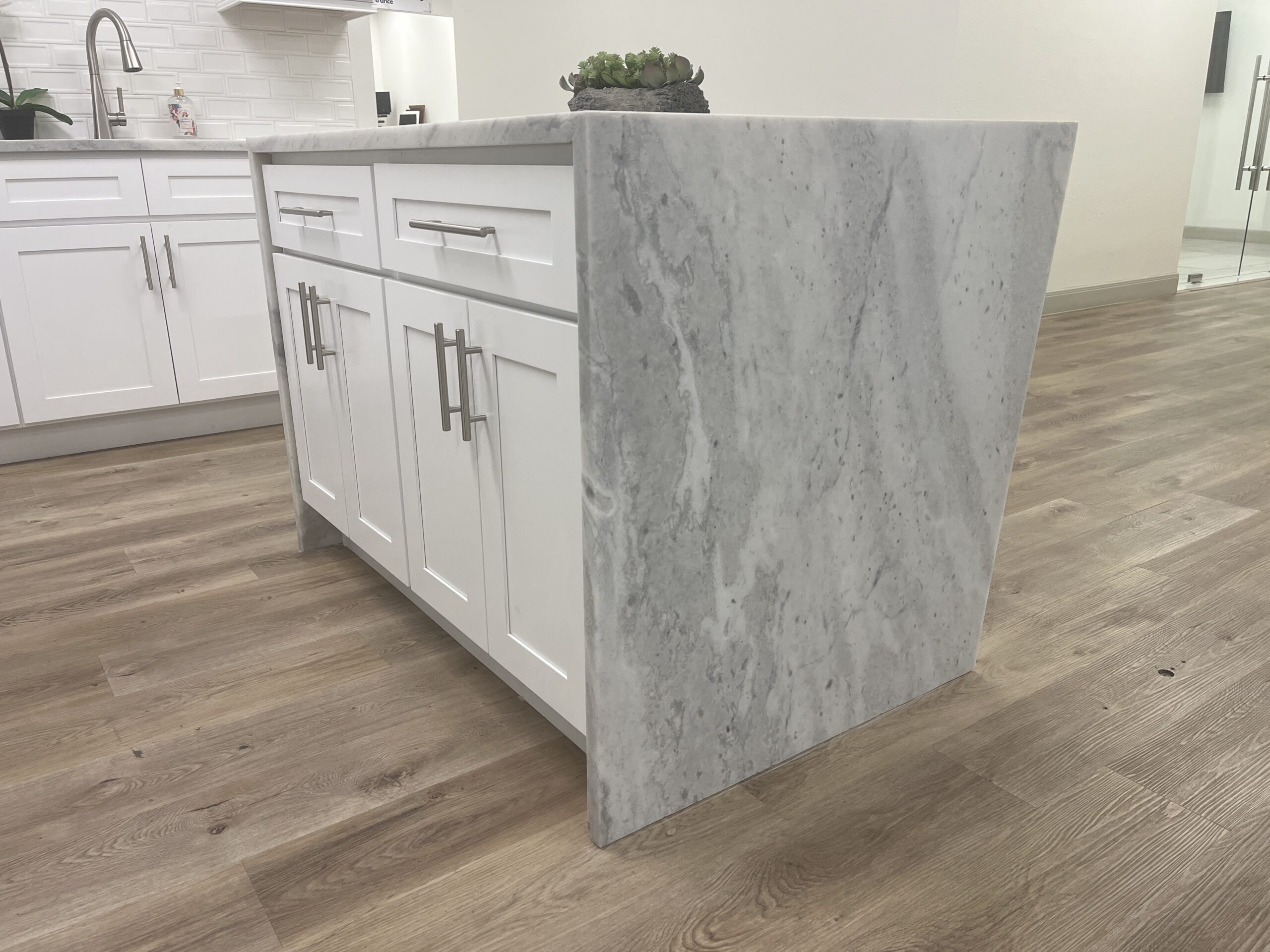
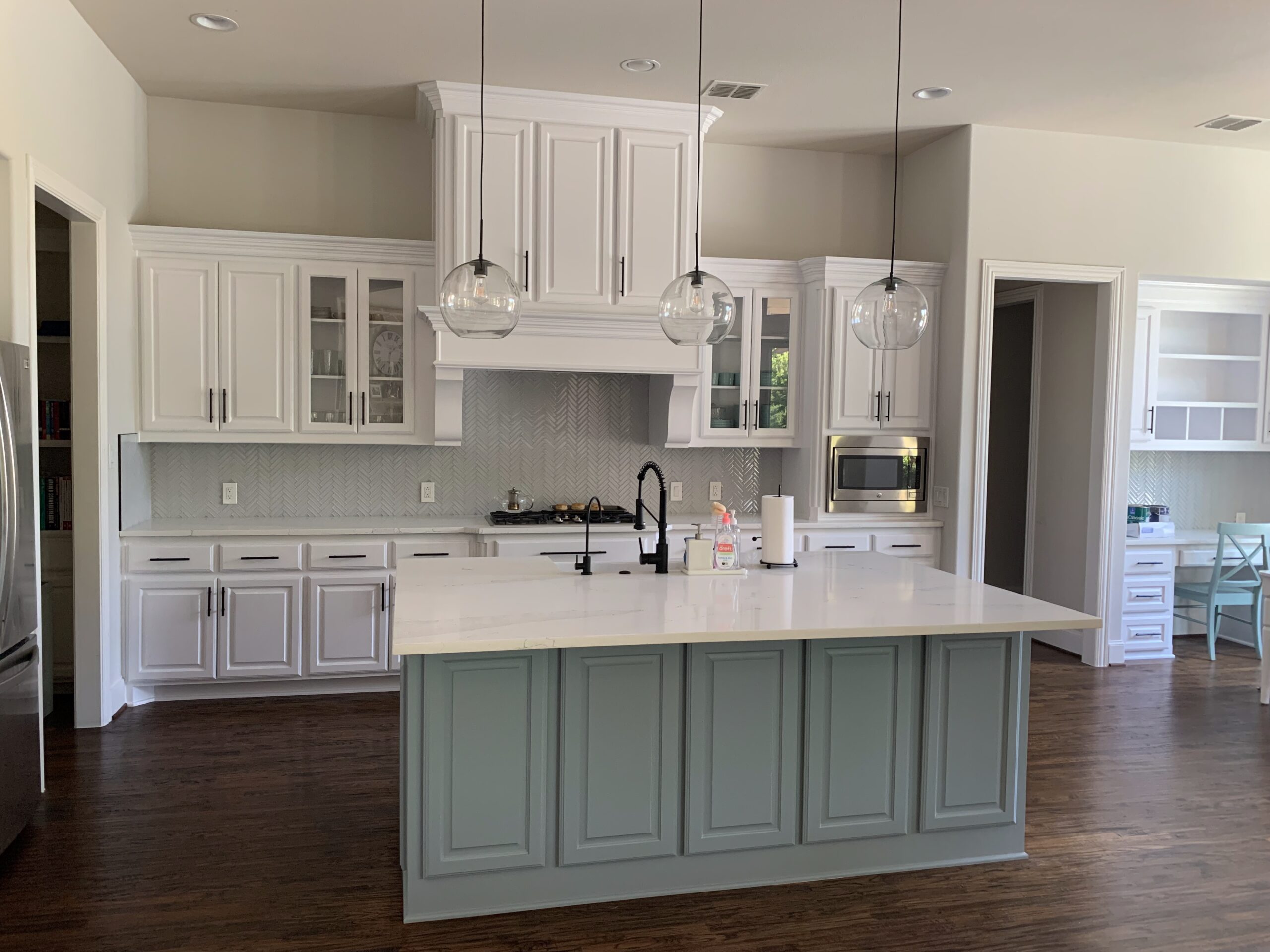
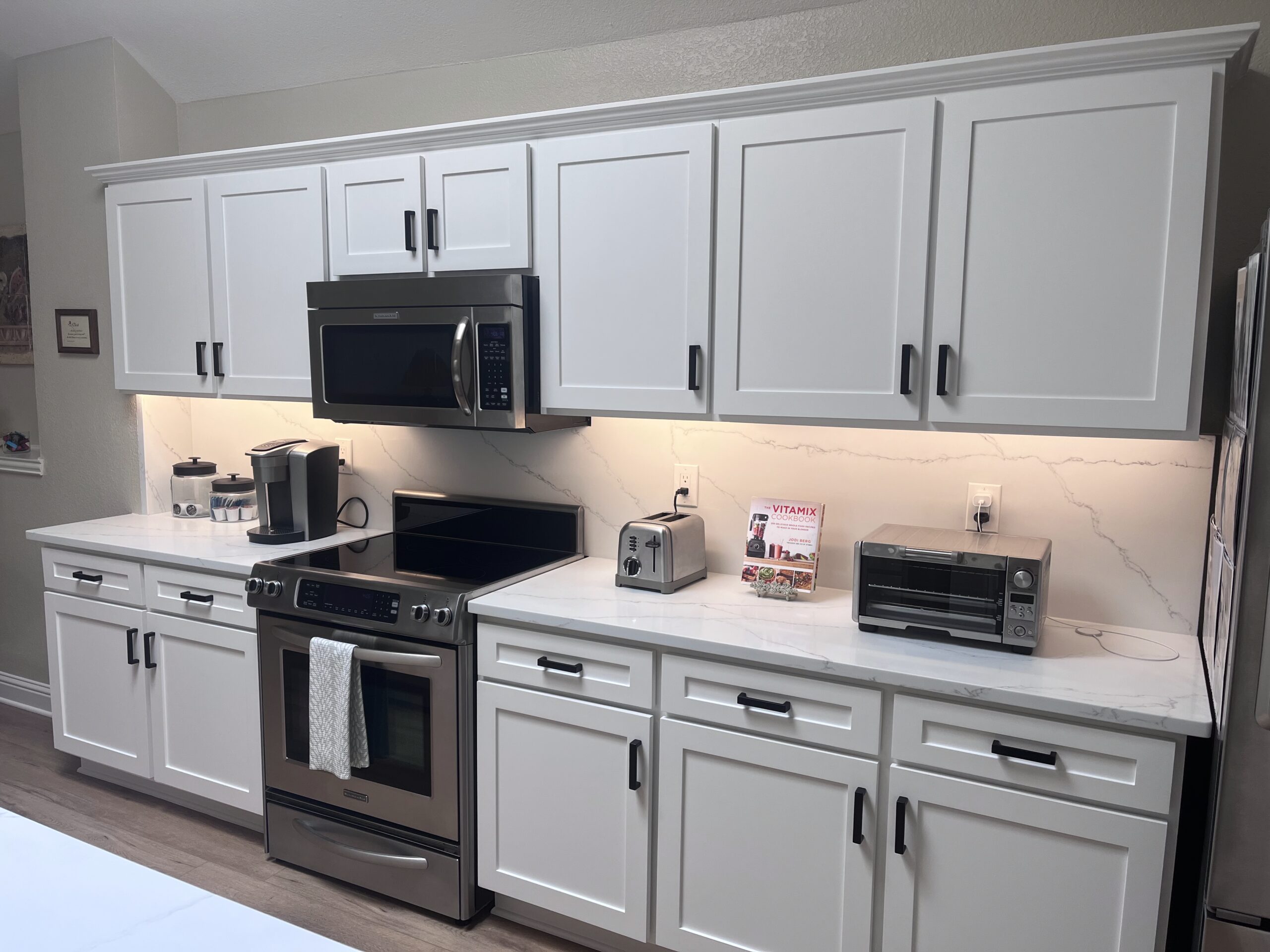
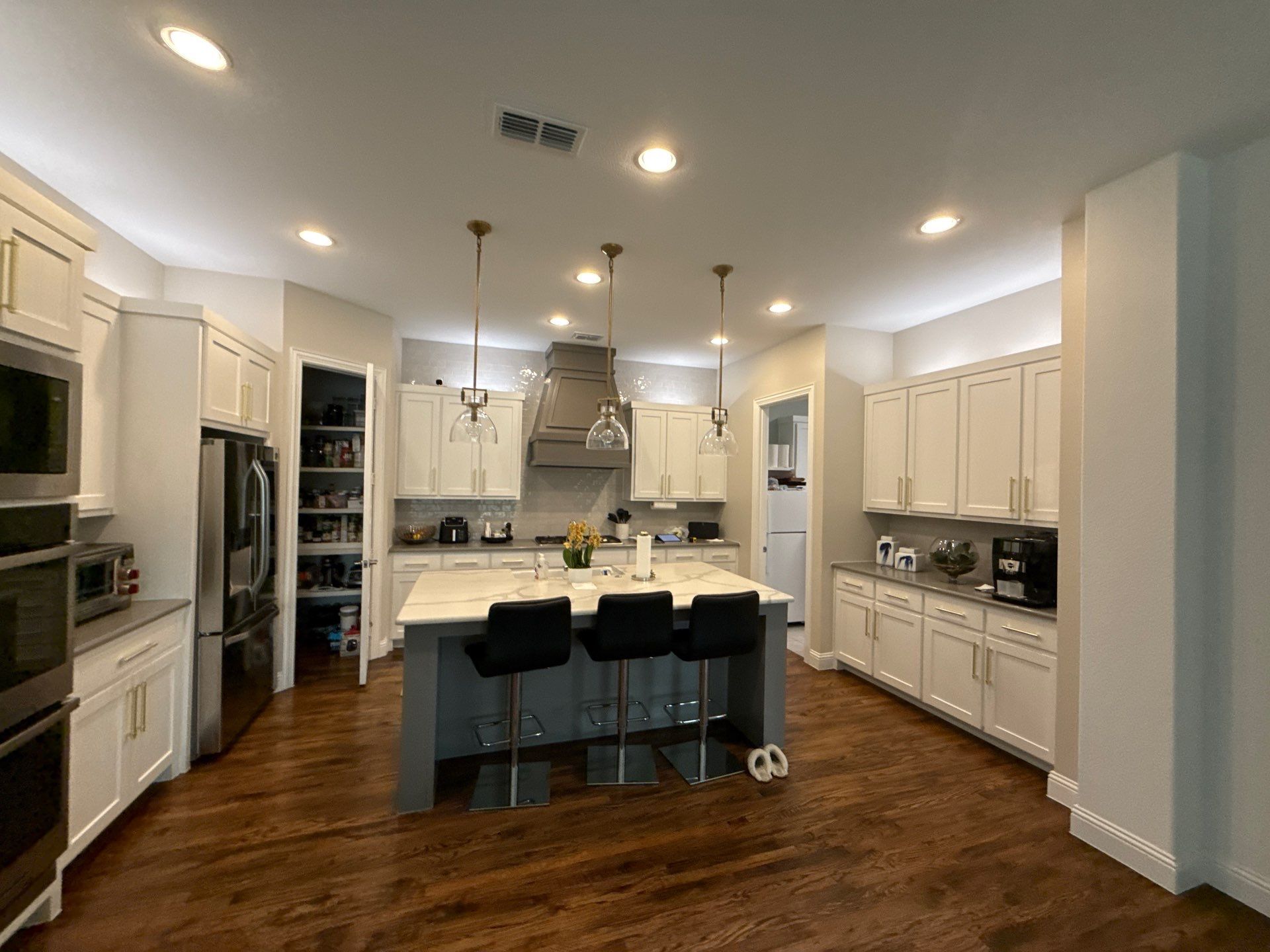
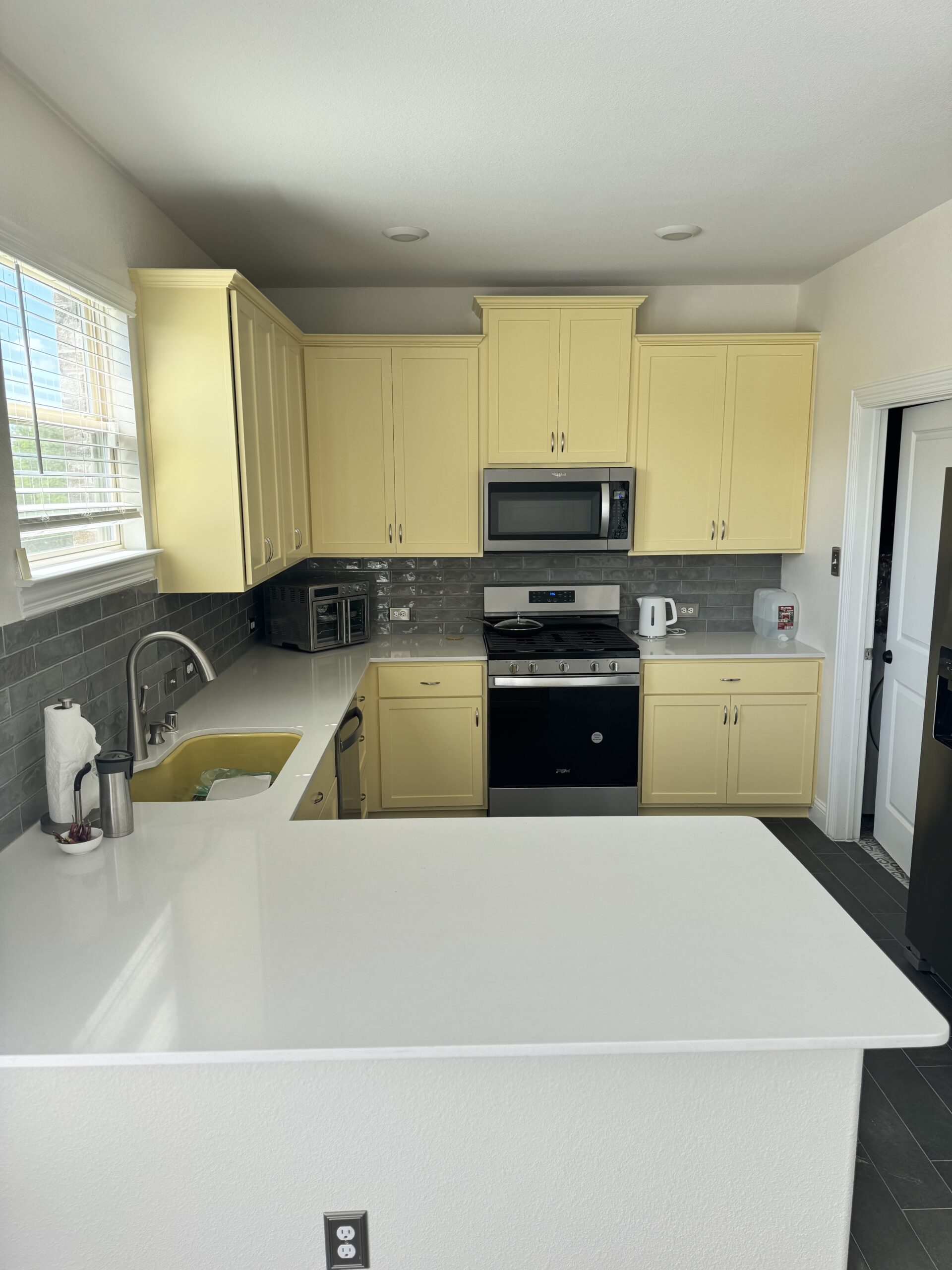
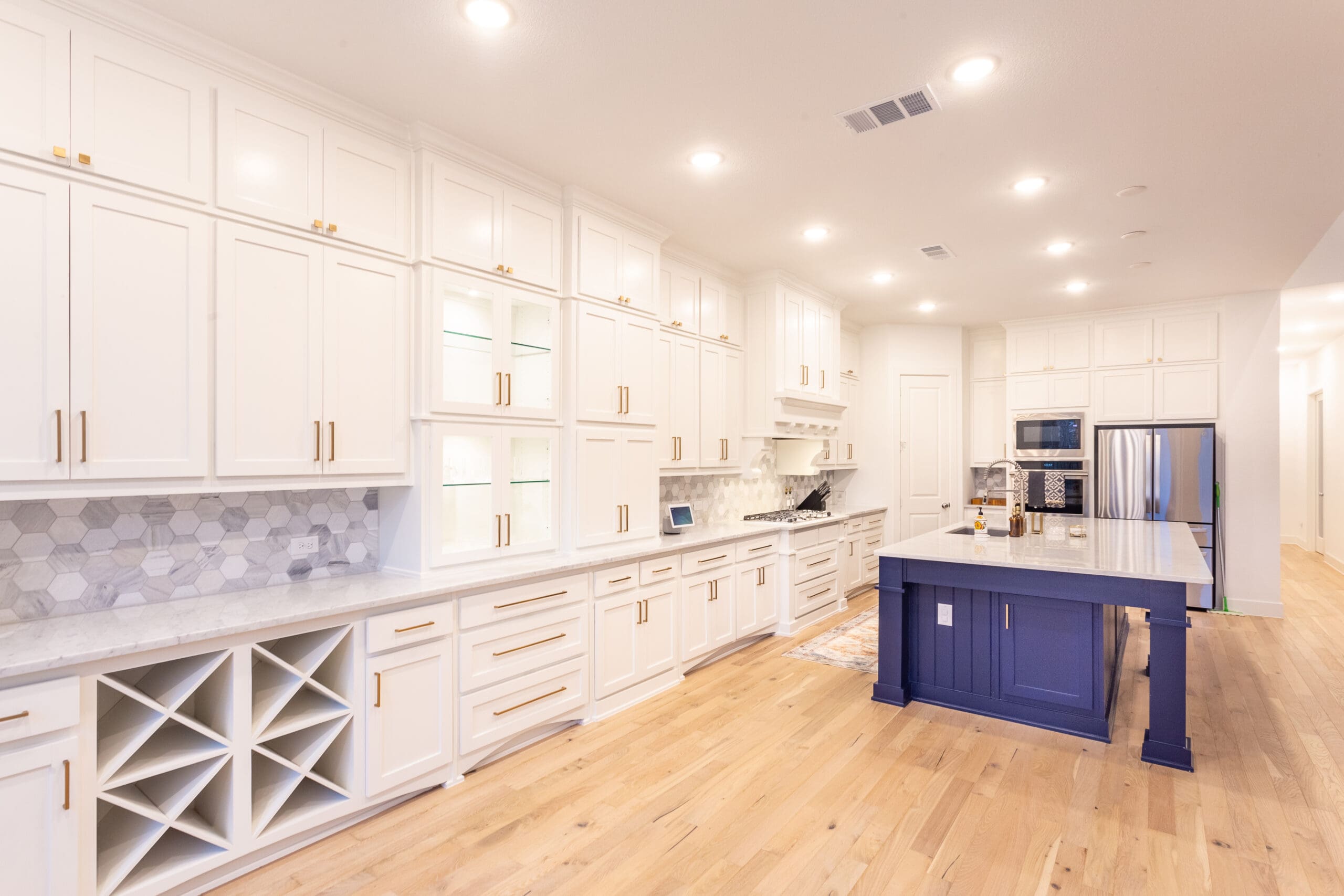
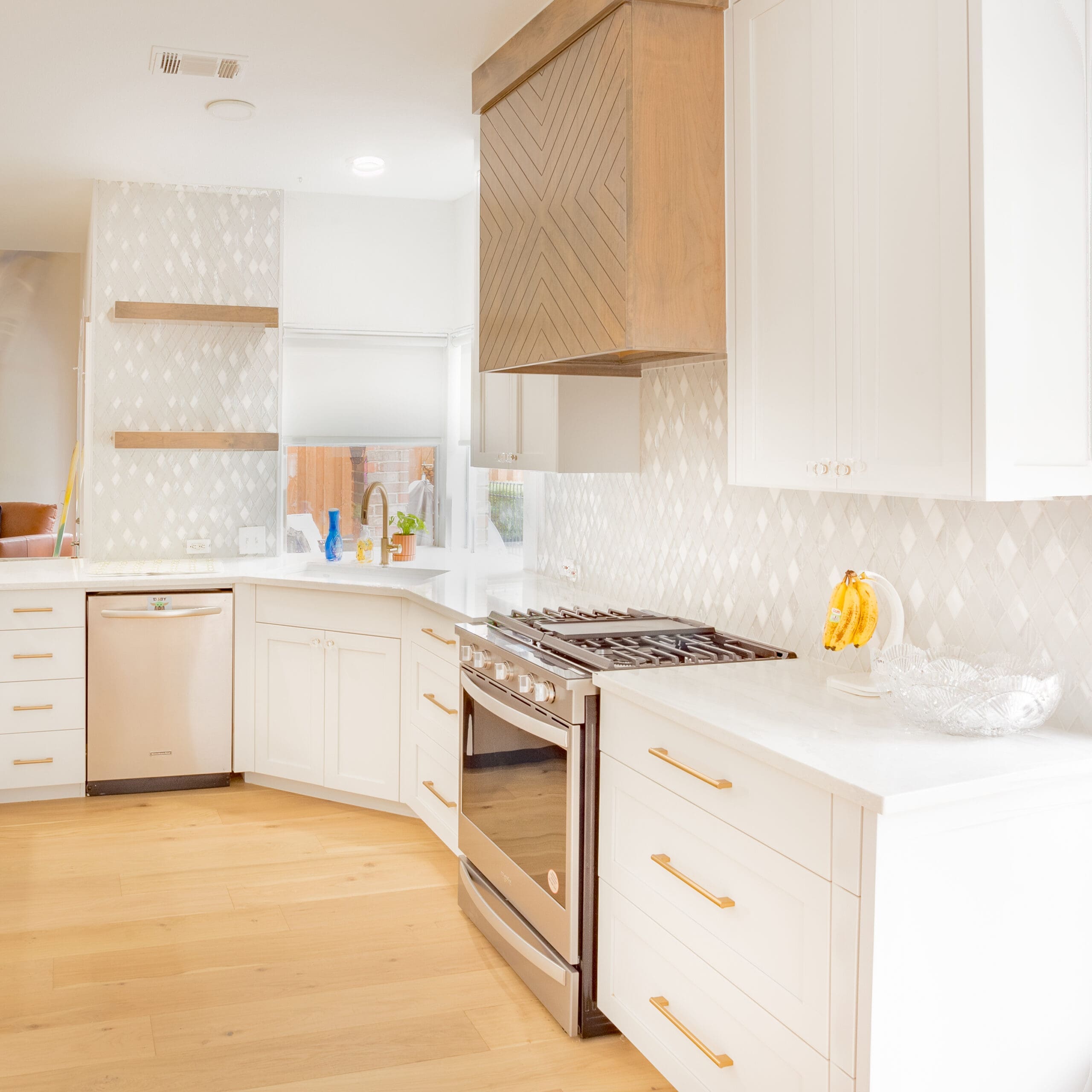
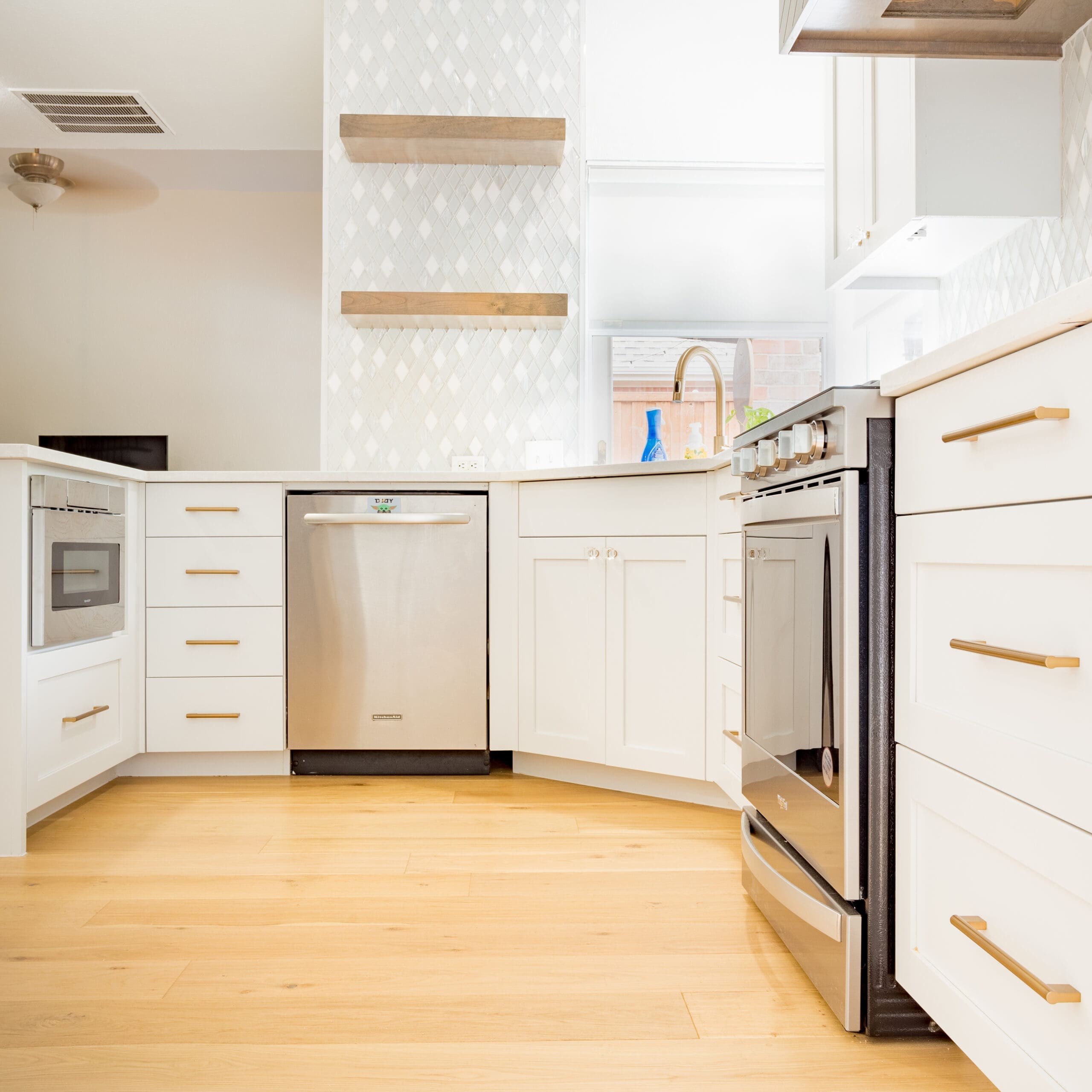
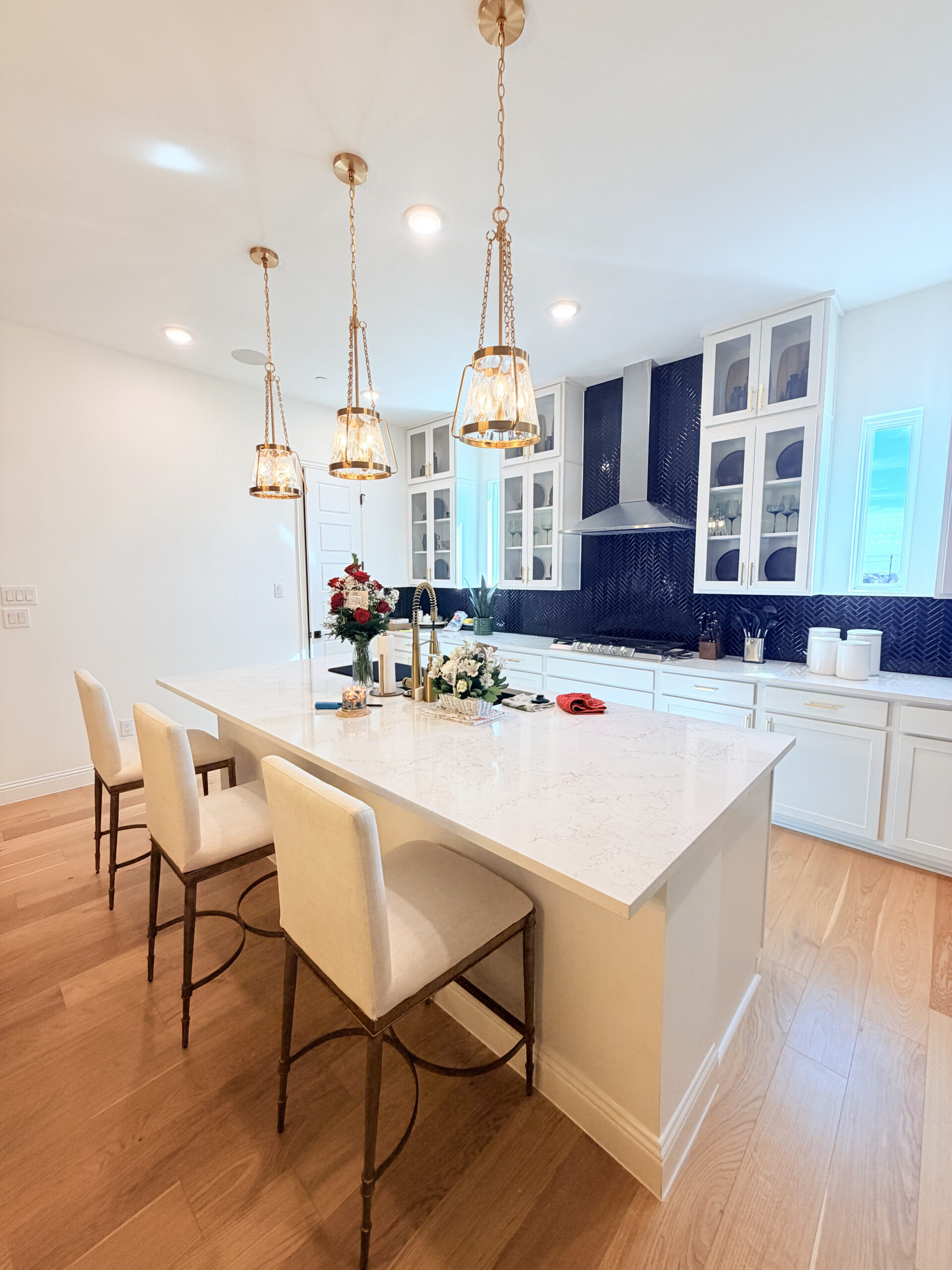
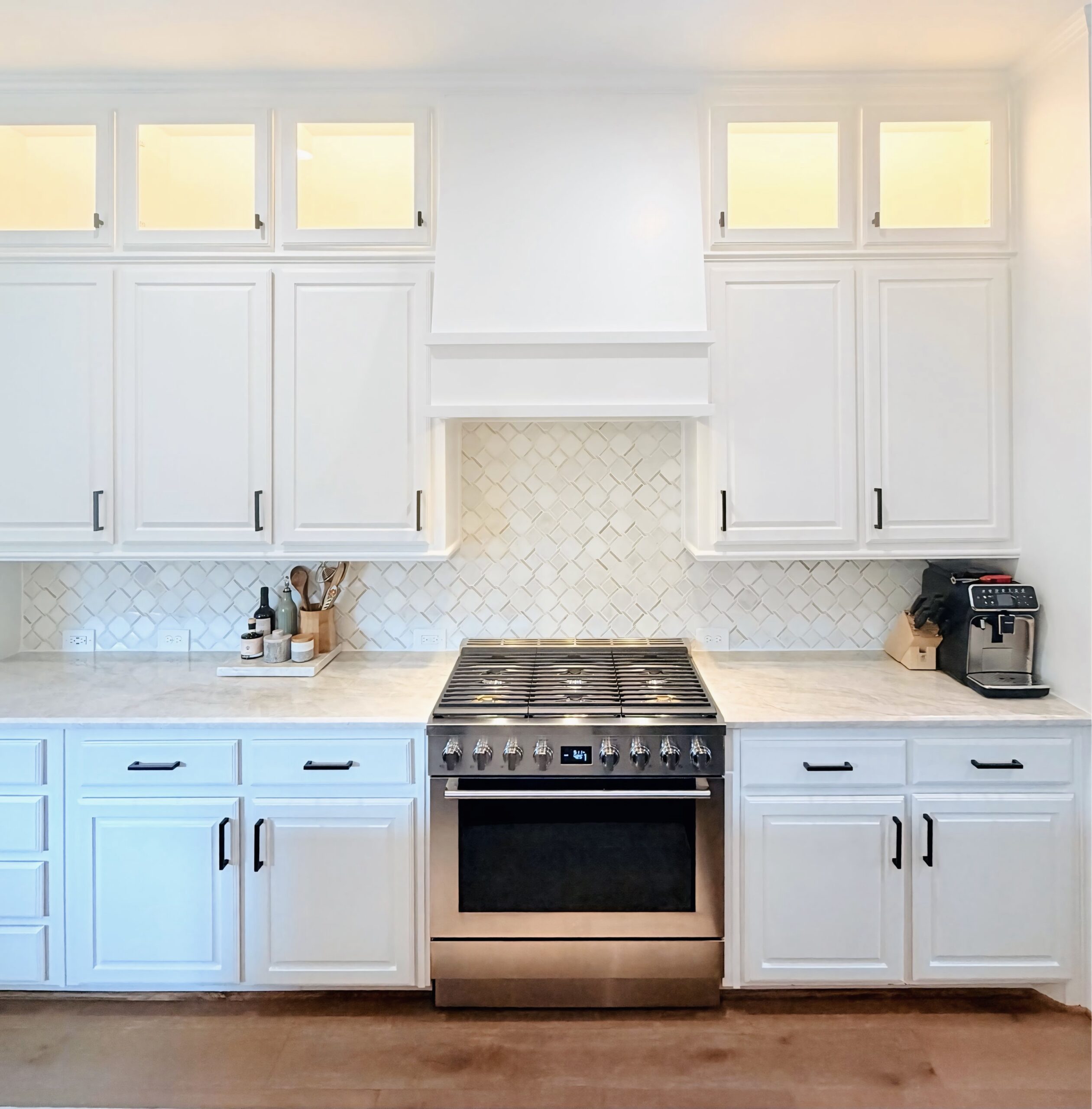
Semi-custom cabinets are factory-produced lines that allow limited adjustments—such as selecting door styles, finishes, and modifying standard sizes—resulting in lower base costs than custom while still offering some personalization; this positioning reduces per-linear-foot pricing because standardized boxes and production efficiencies lower materials waste and labor intensity. In Plano, semi-custom lines are popular for homeowners who want better aesthetics than stock cabinets without the premium of fully bespoke work, and typical cost ranges reflect a middle ground between stock and custom pricing. Semi-custom options usually restrict extreme customization: they offer a curated set of door profiles, limited custom depths or widths, and a finite palette of finishes, which keeps both price and lead times predictable. For many Plano remodels, semi-custom cabinets provide an effective balance of quality, cost control, and faster delivery, setting up an important comparison with fully custom solutions.
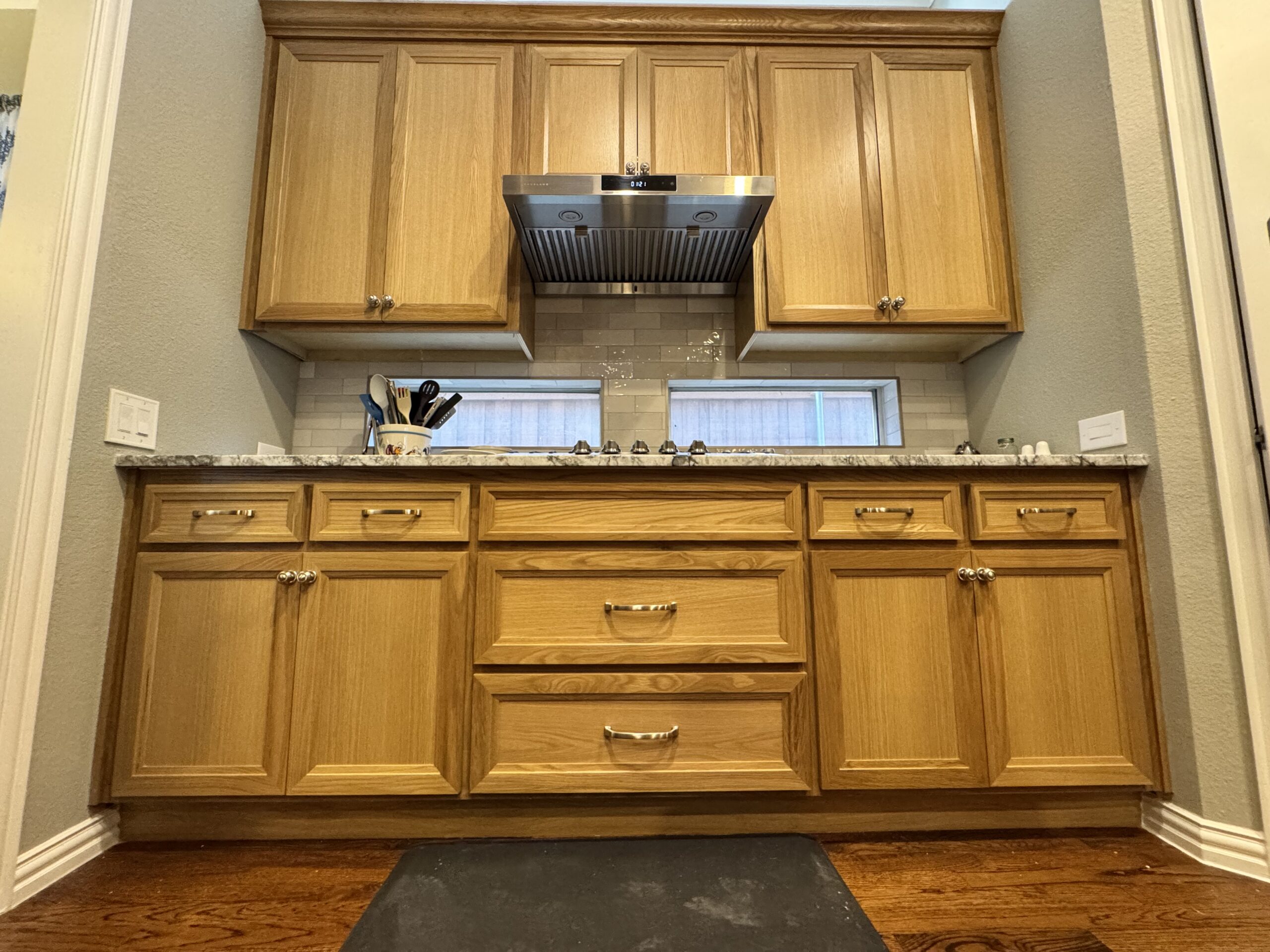
Semi-custom cabinets commonly permit selection among pre-designed door styles, a set range of finishes, and adjustments to a limited set of box sizes, and those standardization choices drive affordability. Typical constraints include fixed box construction methods, limited interior organizer options, and predetermined face-frame or frameless architectures that cannot be altered without moving to a custom solution. Common upgrades—soft-close hinges, pull-out trays, and upgraded drawer glides—are usually available but add incremental costs that should be estimated during quoting; some aesthetic or layout needs (curved islands, odd wall angles) may still require custom work. Because semi-custom production uses standardized parts, lead times tend to be shorter and pricing more transparent, which is valuable for homeowners on a tighter timeline or budget.
Semi-custom lead times are generally shorter than custom, reducing storage and staging expenses and often resulting in faster project completion, but local installer availability in Plano affects final scheduling and labor costs. Factory production schedules yield predictable delivery windows, yet installation labor—measured as time to level, secure, and finish cabinets—remains a localized cost impacted by contractor rates and job complexity. Installation costs can rise with required on-site modifications, coping, filler fabrication, or plumbing and electrical coordination; removal of old cabinets and site prep are additional line items typically quoted separately. Planning for installer availability and confirming whether quoted installation includes final adjustments and hardware installation helps homeowners avoid surprise expenses near the end of a remodel.
A direct comparison highlights that custom cabinets command premium per-linear-foot pricing and extended lead times in exchange for full customization and higher-grade materials, while semi-custom options offer mid-range pricing with faster production and limited personalization. The following table summarizes typical per-linear-foot ranges, lead times, customization level, and expected resale impact for both approaches in the Frisco and Plano contexts to clarify common differences and inform budgeting conversations. Reviewing the side-by-side attributes helps homeowners model how the same kitchen footprint can vary significantly depending on cabinetry choices, hardware selections, and finish complexity.
| Cabinet Type | Typical Per-Linear-Foot Range | Typical Lead Time | Customization Level | Expected Resale Impact |
|---|---|---|---|---|
| Custom (Frisco) | $500–$1,200 | 8–16+ weeks | Fully bespoke (materials, layout, joinery) | High (durable, premium appeal) |
| Semi-Custom (Plano) | $150–$700 | 4–8 weeks | Moderate (door styles, sizes, finishes) | Moderate (good aesthetic, less unique) |
| Stock (reference) | $100–$300 | 1–3 weeks | Limited (prebuilt sizes/finishes) | Low–Moderate (budget-friendly) |
This table demonstrates how material choice, fabrication method, and timeline shape price bands across both cities and why a homeowner’s priorities should guide the final decision. With that comparison clear, it’s useful to examine how specific materials, hardware, and finish choices create these cost differences.
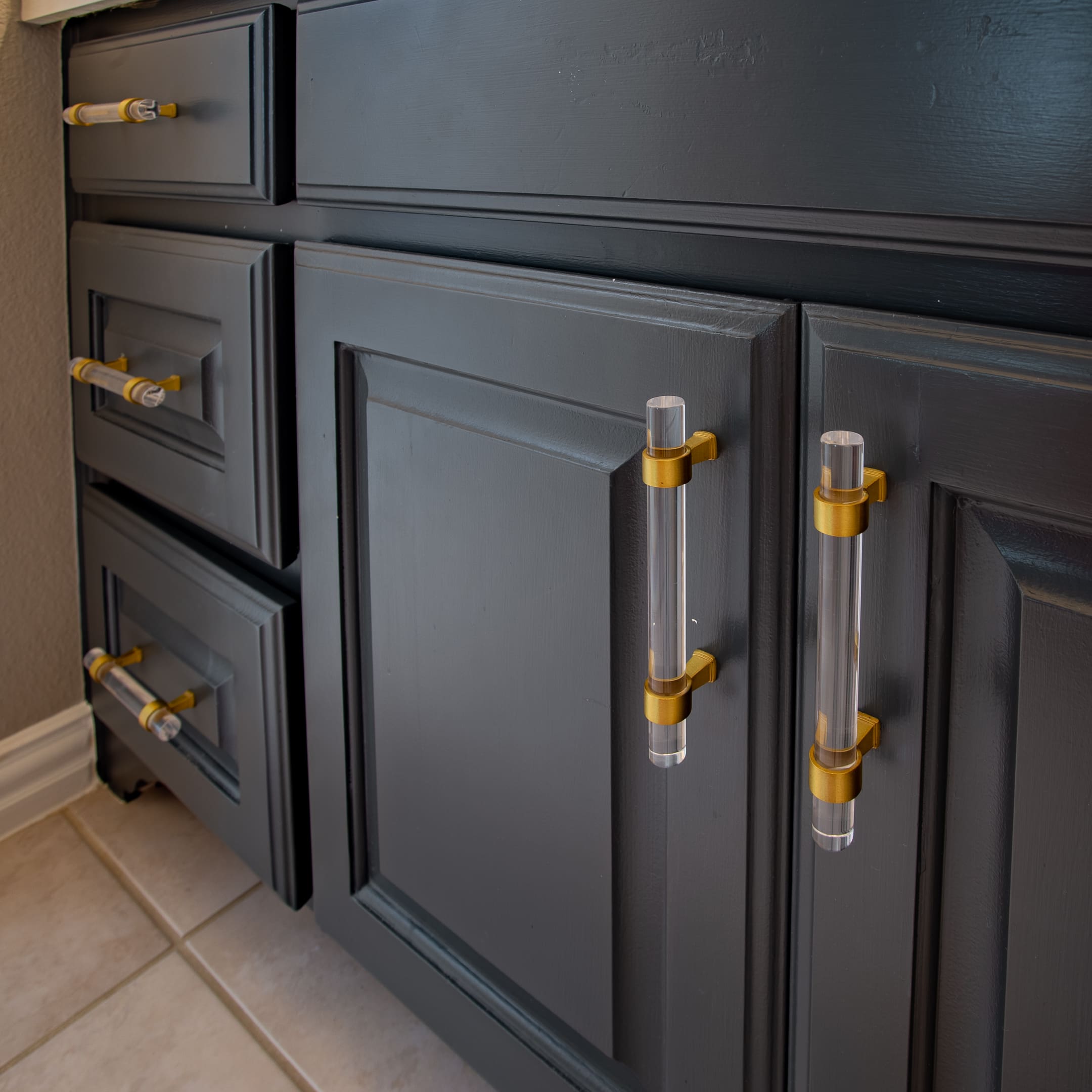
Material selection—solid wood species versus plywood or MDF—often accounts for the largest portion of cabinet cost differences because raw material prices and waste rates vary widely and affect both shop time and longevity. Premium hardwoods like cherry or quarter-sawn oak add substantial per-linear-foot cost compared with painted MDF or plywood boxes; hardware upgrades such as soft-close undermount slides, high-end hinges, and designer pulls can add significant but targeted value. Finish complexity—multi-stage painted finishes, glazing, or hand-rubbed stains—lengthen shop processes and cure times, increasing both material and labor costs. These line items illustrate why two kitchens with identical footprints can end up in very different price brackets depending on chosen components.
Installation complexity varies: custom cabinets often require more precise fit and on-site adjustments, increasing installer hours but resulting in a more seamless final product, while semi-custom cabinets install faster but may need filler panels or adjustments for imperfect walls. Durability expectations track with build quality—solid-wood custom components and higher-grade drawer construction typically outlast factory-made boxes, reducing lifetime maintenance and potentially improving the property’s appeal to discerning buyers. On resale, buyers in premium Frisco neighborhoods may respond better to bespoke craftsmanship, whereas Plano buyers often appreciate a modern, well-executed semi-custom kitchen that balances appearance and cost. These differences make it essential to align cabinetry choice with the property’s price tier and buyer expectations.
Several core cost drivers determine whether your project lands in the stock, semi-custom, or custom range: wood species, hardware, finishes, labor, design complexity, and market-driven lead times. Each element multiplies the base price in distinct ways—premium wood species and custom finishes increase material costs; higher-end hardware raises per-door or per-drawer expenses; and design complexity (islands, tall pantry units, integrated appliances) increases fabrication and installation labor. Local market conditions in Frisco and Plano—demand cycles, material price volatility, and installer availability—also affect final pricing and timeline. Understanding the relative impact of each factor helps homeowners prioritize upgrades that deliver the most value.
The list above provides a checklist to weigh which elements deserve budget priority, and the table below breaks those factors into entity-attribute-value form for easy comparison and estimation.
| Element | Attribute | Typical Impact on Price |
|---|---|---|
| Wood species | Maple vs cherry vs plywood | Low–High (multiplier on base) |
| Hardware | Standard vs premium | Moderate (per-drawer/door add) |
| Finish | Paint vs stain vs specialty | Moderate–High (labor & materials) |
| Labor | Local installer rates & hours | High (installation often 20–40% of total) |
| Design complexity | Built-ins, islands, curves | High (adds fabrication time) |
This EAV table shows where homeowners can expect the largest cost shifts and where modest choices can yield meaningful savings. Next, we use those insights to create a homeowner decision framework.
Wood species and finish selection create predictable cost tiers because material prices, machining difficulty, and finishing processes vary by species and finish type. Common species ordered from least to most expensive include engineered plywood/MDF, oak, maple, and cherry; exotic or figured species escalate costs further and may require different joinery approaches. Finish choices—painted, stained, thermofoil—impact both material and labor: painted, multi-coat finishes require sanding, priming, and curing steps that add time and expense, while simple stain-and-clear processes may be faster but highlight material costs. Matching species and finish expectations to budget limits enables homeowners to target the visual outcome they want without incurring unnecessary premium costs.
Labor rates and local demand patterns in Frisco and Plano influence final quotes more than many homeowners expect, with installer experience and shop backlog affecting both price and lead time. Complex designs with many cabinets, unusual heights, appliances, or integrated systems lengthen fabrication and install time, multiplying labor costs and increasing the chance of change orders. Regional trends—material shortages, lumber price fluctuations, increased building permits—can temporarily raise costs or extend lead times; proactive buyers who lock materials and schedules early mitigate volatility. Understanding these dynamics helps you schedule smartly and negotiate clearer scopes with suppliers and installers.
Choosing between custom and semi-custom requires matching budget, timeline, design goals, and resale expectations; the right selection balances these elements to maximize functional and financial return. A practical decision matrix compares budget brackets to recommended cabinet types and highlights practical pros and cons so homeowners can see which option aligns with their priorities. Considerations include the desired uniqueness of the kitchen, acceptable lead time, expected lifespan, and the local resale market tier—each factor informs whether the premium for custom work is justified or whether semi-custom offers a smarter ROI. Below is a short decision matrix to guide choices by budget and goals.
| Budget Bracket | Recommended Cabinet Type | Pros | Cons |
|---|---|---|---|
| Under $10k | Stock or economy semi-custom | Low cost, quick install | Limited design flexibility |
| $10k–$25k | Mid-range semi-custom | Balance of style and cost | Less uniqueness than custom |
| Above $25k | Custom | Full design control, durability | Highest cost, longer lead time |
This decision matrix clarifies how budget thresholds map to cabinet options and expected tradeoffs, providing a quick framework for planning. Next, practical budget and design guidance helps refine that selection for specific homeowner priorities.
Budget brackets should be paired with realistic design expectations: under modest budgets, prioritize durable box construction and a neutral finish to maximize lifespan, while higher budgets allow for bespoke features and premium materials that define luxury kitchens. Decide whether uniqueness (custom profiles, specialty insets) or predictability (factory finishes and warranties) is more important, because those priorities determine whether semi-custom or custom cabinetry better fits your timeline and resale strategy. Also consider functional priorities—drawer capacity, soft-close systems, and organization—which often deliver more everyday value than decorative elements. By aligning budget and functional goals, homeowners choose cabinetry that serves both daily living and long-term financial sense.
Long-term investment considerations center on whether the cabinetry upgrade will attract buyers who value craftsmanship and durable materials, or whether neutral, well-executed semi-custom work is sufficient to appeal to the target market in Frisco or Plano. Custom cabinetry can increase perceived home quality and may improve listing differentiation in premium neighborhoods, but the incremental resale gain depends on neighborhood comparables and buyer expectations. Evaluate total cost of ownership—durability, maintenance needs, and potential repair costs—when comparing options, because lower maintenance premium materials may offset higher upfront costs over the cabinet lifespan. Factoring in local housing trends ensures cabinet investments align with realistic resale outcomes.
Finding reputable local cabinet makers and showrooms involves targeted research, showroom visits, and a structured vetting process that verifies materials, build methods, lead time transparency, and references; this approach reduces surprises and helps you compare true apples-to-apples quotes. Start by compiling candidate shops and showrooms that display completed work and sample materials, then evaluate warranties, production locations, and whether they provide clear installation pricing. For projects that require secure transport, handling of fragile cabinetry components, or storage between fabrication and install, it’s important to plan logistics with specialized providers who understand crate design and safe shipping.
The next paragraph identifies practical vetting questions to ask suppliers to ensure quality and reliability.
plano custom cabinets